A homeowner-friendly guide to choosing the right CFM, keeping noise down (sones), improving real airflow with proper ducting and makeup air, and venting safe...
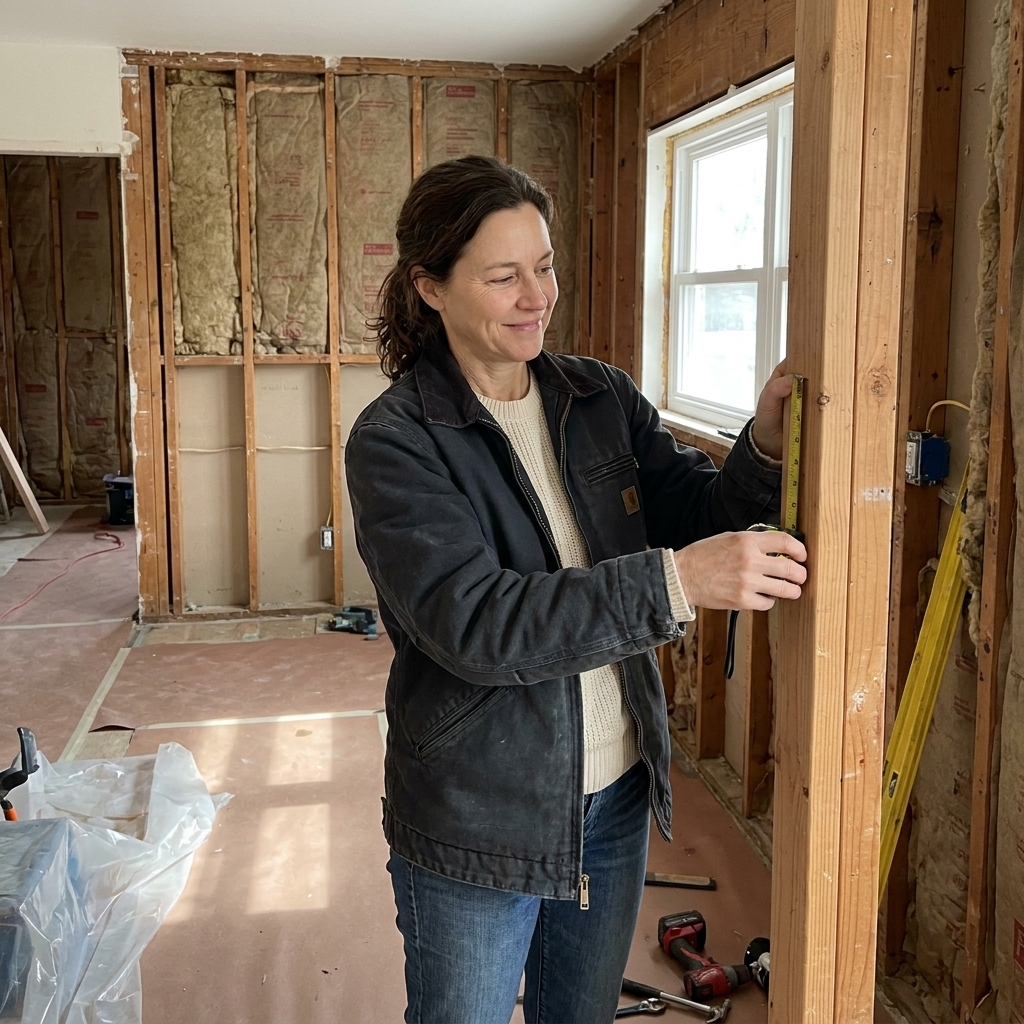
I grew up holding the flashlight for my dad while he worked under sinks and behind walls, and one lesson stuck early: air has to go somewhere. In kitchens, that “somewhere” is your range hood. When it is sized correctly, it quietly whisks away grease, smoke, and combustion byproducts. When it is not, you end up with lingering odors, sticky cabinets, and a smoke alarm that thinks it is doing cardio.
This is the planning math I use with clients: hood width, airflow (CFM), and mounting height. I will also walk you through ducting and makeup air because those two details can make or break performance.
Step 1: Hood width (capture area matters)
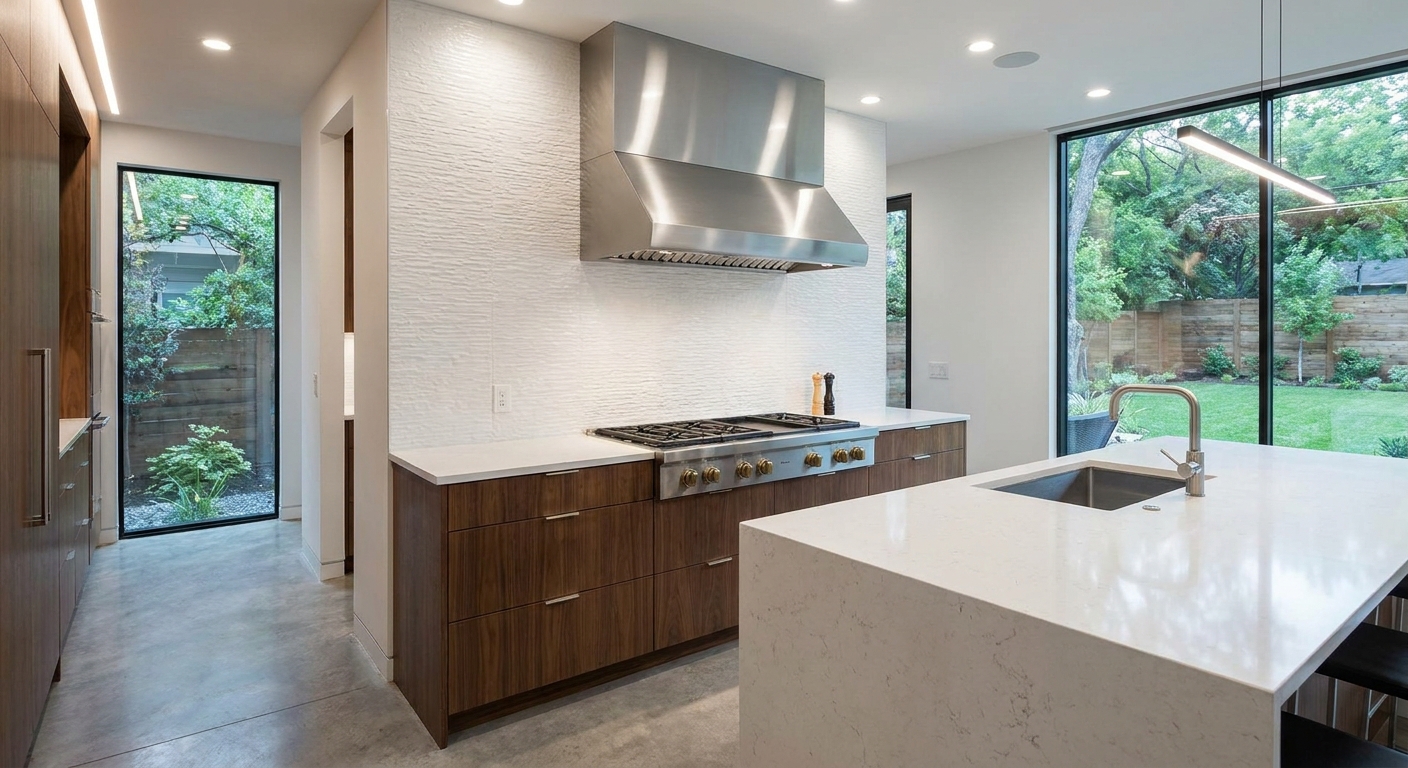
Your goal is simple: the hood should fully cover the cooking surface and create a “catch zone” for rising steam and grease.
- Minimum: hood width should be at least as wide as the cooktop or range.
- Ideal: go 3 inches wider on each side, meaning 6 inches wider total.
Examples
- 30-inch range: minimum 30-inch hood, ideal 36-inch hood.
- 36-inch cooktop: minimum 36-inch hood, ideal 42-inch hood.
- 48-inch range: minimum 48-inch hood, ideal 54-inch hood (if your layout allows).
Pro tip from the field: the more “wild” your cooking gets (wok cooking, searing steaks, frying, canning), the more you benefit from extra width and depth. Capture is often the limiting factor, not the fan.
Do not ignore hood depth
Depth is the quiet performance killer. A deeper hood or a bigger capture volume can beat a shallow hood with a bigger blower, because it holds the plume long enough for the fan to do its job. If you are deciding between “sleek and shallow” and “a little deeper,” I usually lean deeper, especially for gas and high-heat cooking.
Once you have enough capture area, then we can talk about how much airflow you need to move what you capture.
Step 2: CFM sizing (how much airflow you actually need)
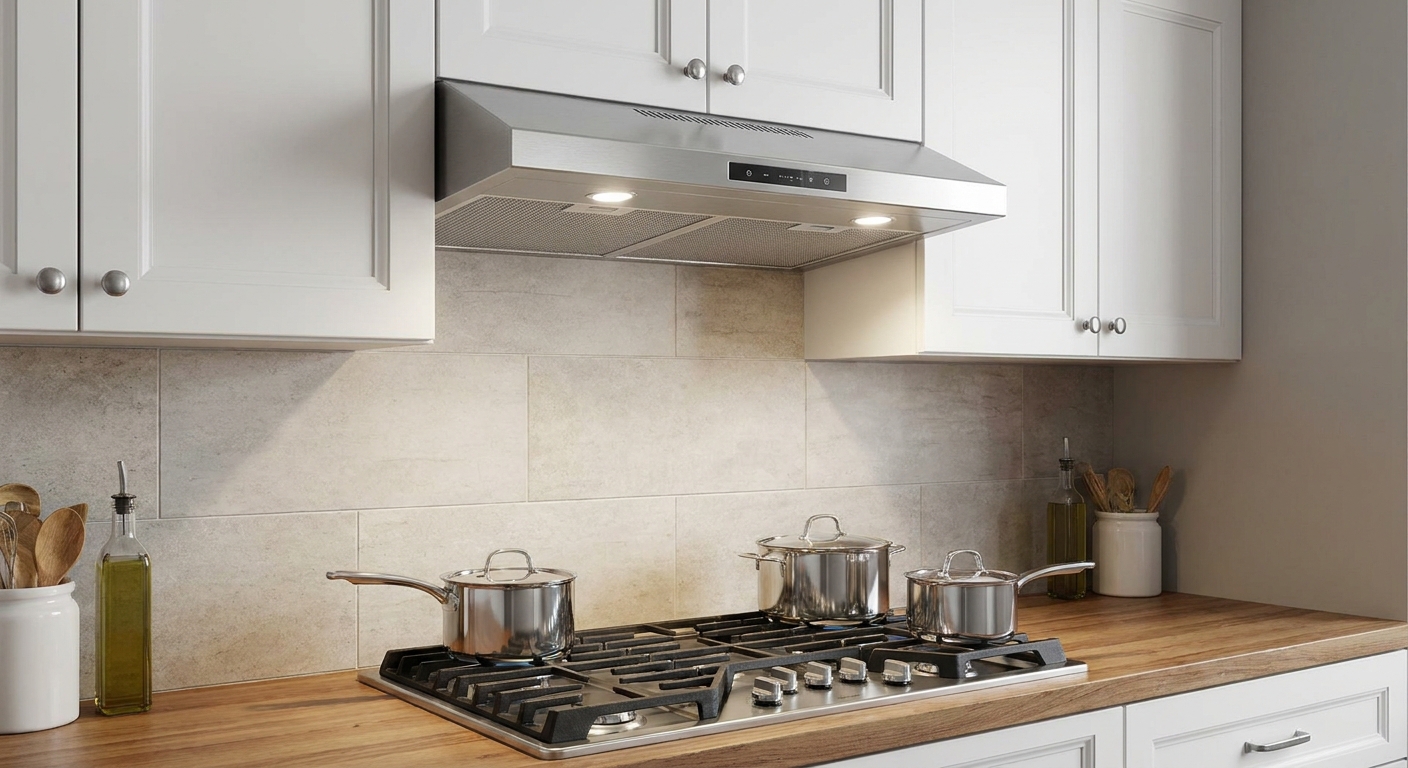
CFM stands for cubic feet per minute, or how much air the hood can move. Bigger is not automatically better. The “right” CFM depends on what you cook on, how the hood is shaped, and how it is installed.
What I am giving you below are starting-point rules of thumb for planning. Different manufacturers and design guides use different methods, and real performance can swing based on capture volume, filter type, blower style, and duct layout.
For gas: size to BTUs (rough starting point)
A solid initial sizing rule is:
CFM ≈ 100 CFM per 10,000 BTU of burner output you expect to use
How to use it
- Add up the BTU ratings of the burners you realistically use at once, or use the cooktop’s total BTU rating if you want a conservative plan.
- Divide by 10,000.
- Multiply by 100.
Example (gas)
A cooktop with 50,000 total BTU: 50,000 ÷ 10,000 = 5. 5 × 100 = 500 CFM.
Reality check: if you have a single 18,000 to 22,000 BTU power burner and you love high-heat cooking, it is normal to land in the 600 CFM and up range, especially for pro-style ranges. At that point, capture area and duct design matter as much as the number on the box.
For electric or induction: size to width (rough starting point)
A common planning rule is:
CFM ≈ 10 CFM per inch of cooktop width
Example (electric or induction)
A 30-inch cooktop: 30 × 10 = 300 CFM.
Important nuance: induction is “cleaner” than gas in terms of combustion because there is none, but it can still generate plenty of cooking vapor and grease. If you sear often, do not undersize just because it is induction.
When to bump CFM up
- Island installations: you often need more because cross drafts pull smoke away from the hood.
- High ceilings: more room for smoke to spread before it reaches the hood.
- Frequent frying or wok cooking: more grease and faster-moving plumes.
- Long duct runs or multiple elbows: airflow losses can be significant (more on this below).
Noise matters (and it is usually a system problem)
Readers ask me about loud hoods all the time. In my experience, noise spikes when you combine high airflow with poor ducting (too small, too many turns, restrictive roof or wall caps). The fan works harder, static pressure climbs, and what you get is more sound, not more effective ventilation. If quiet is a priority, prioritize capture area, a sensible duct layout, and a hood with published sound ratings.
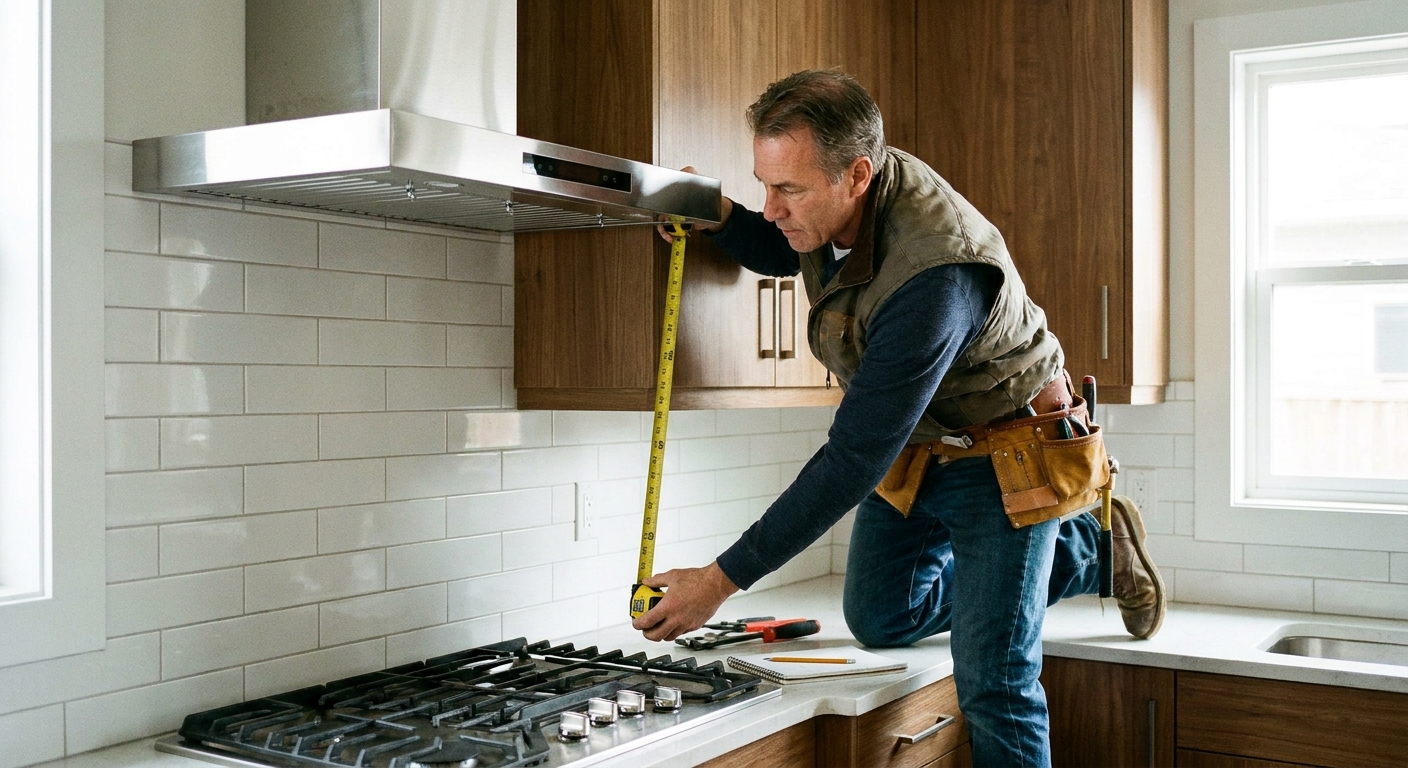
Step 3: Mounting height (too high is basically no hood)
Most standard residential range hoods are installed:
- 24 to 30 inches above the cooking surface for many under-cabinet and wall hoods
- Up to 36 inches for some chimney-style hoods and higher-output setups
The safe, correct answer is always: follow the manufacturer’s installation range for your exact hood and cooking appliance. But if you are in early planning and need a number for rough layout and cabinet elevations, 24 to 36 inches is the typical band.
Why height matters
- Mount it too high and the plume spreads out before the hood can capture it, so you smell dinner all night.
- Mount it too low and you risk head bumps, heat exposure, and clearance problems with tall pots.
Makeup air (the 400 CFM conversation you do not want to have mid-project)
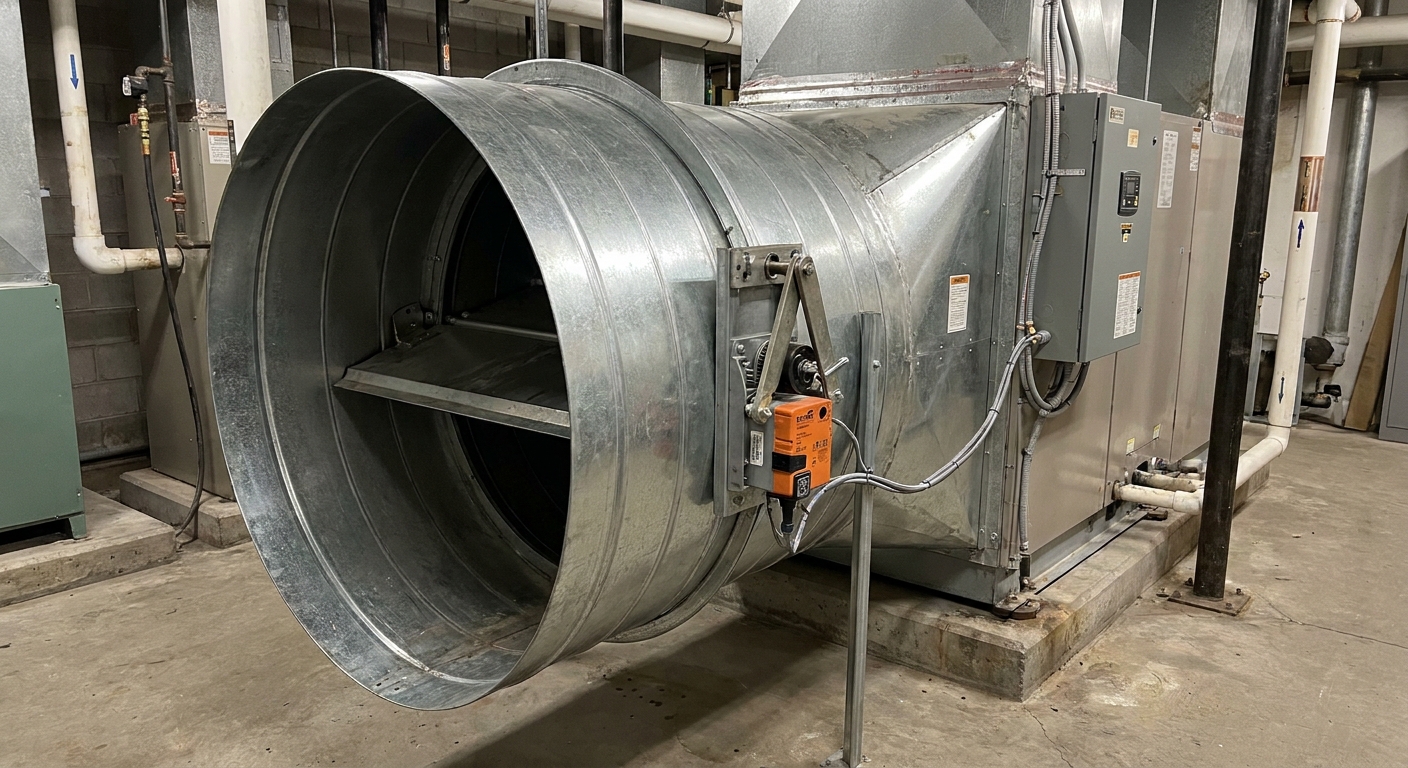
If your hood exhausts a lot of air, your home needs a way to replace it, otherwise the hood can struggle and you can create negative pressure that backdrafts fireplaces or atmospherically vented appliances.
Many jurisdictions use a trigger point around:
- 400 CFM and above: makeup air is often required
This is not universal, and it can vary by code version, local amendments, and how the system is designed. Still, as a planning practice, I treat 400 CFM as the moment to ask your contractor or HVAC pro about makeup air so you do not get surprised during inspection or after cabinets are in.
What makeup air actually is
Makeup air is a dedicated path for outdoor air to enter the home when the hood runs, often through a motorized damper that opens when the hood turns on. Sometimes it is tempered (warmed or cooled) depending on climate and system design.
Why it matters for performance
I have seen homeowners buy an expensive, high-CFM hood and then feel disappointed because it “doesn’t suck.” The hood is fine. The house is too tight and the fan is fighting pressure.
Ducted vs recirculating (ducted wins when you can swing it)
Ducted (vented to outside)
Best performance. A ducted hood physically removes smoke, moisture, and grease from the home. If you have the option, this is what I recommend for most remodels, especially for gas cooking.
Recirculating (ductless)
Recirculating hoods pull air through filters and send it back into the kitchen. They can help with some odors and some grease, but they do not remove moisture and they are simply not as effective at real ventilation.
If you must go recirculating:
- Use the best filter system available for the hood (often charcoal or carbon filters).
- Replace filters on schedule. A clogged filter is like trying to breathe through a sweater.
- Err toward more capture area (width and depth) because you are already giving up performance.
A quick note on filters
Most hoods use mesh or baffle-style grease filters. For higher-heat cooking, baffle filters tend to hold up well and are usually dishwasher-safe, but they still need regular cleaning. Whatever you have, dirty filters hurt performance and can add noise.
Duct size and layout (where good airflow goes to die)
Even a perfectly sized hood will underperform with the wrong ducting. Think of ductwork like a straw: too small or too twisty, and the fan cannot move air effectively.
General ducting rules I use in kitchen planning
- Go as straight and short as possible. Every elbow adds resistance.
- Use smooth metal duct. Avoid flex duct for range hoods whenever possible.
- Match the hood’s duct outlet size. Do not reduce it “just to make it fit.”
- Seal joints well. Leaky ducts can dump grease-laden air into soffits or walls.
What duct diameter should you plan for?
Your hood’s specs are the final authority, but in practical remodeling terms:
- 6-inch round is common for many hoods in the 300 to 400 CFM range.
- 7 to 8-inch round is common as CFM increases (often 600 CFM territory and up).
- Some high-output systems use larger round duct or rectangular ducting designed by the manufacturer.
Important nuance: elbows, long runs, and restrictive exterior caps can cause static pressure problems at almost any CFM. Two hoods with the same published CFM can perform very differently depending on equivalent duct length and termination hardware.
Termination details you do not want to get wrong
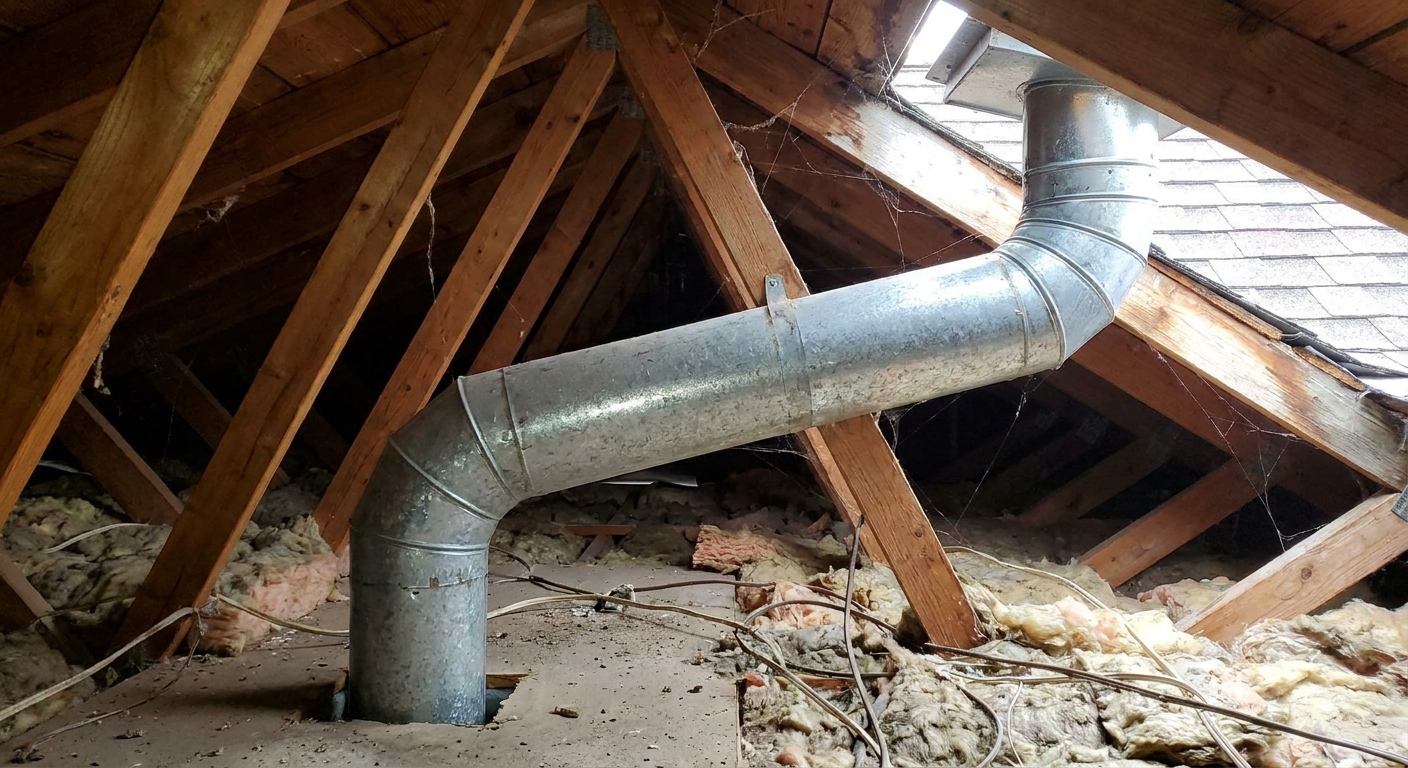
Do not vent a range hood into an attic, crawlspace, or inside a soffit. You want a proper exterior termination with a good cap and backdraft control, and you want it installed in a way that does not dump grease and moisture into your building.
If you are trying to decide between two hood sizes, sometimes the ducting is the tie-breaker. If your framing only allows a 6-inch duct and you cannot reroute, a super high CFM blower may not deliver in real life the way the box implies.
Quick sizing examples
Example 1: 30-inch gas range, 55,000 BTU total
- Width: ideal 36-inch hood
- CFM (starting point): 55,000 ÷ 10,000 × 100 = 550 CFM
- Height: plan in the 24 to 36 inch zone per manufacturer
- Heads-up: you are likely into makeup air planning depending on local rules and code version
Example 2: 36-inch induction cooktop
- Width: ideal 42-inch hood
- CFM (starting point): 36 × 10 = 360 CFM
- Height: usually within the typical 24 to 36 inch band
Example 3: 48-inch pro-style gas range, 120,000 BTU total
- Width: minimum 48-inch, ideal 54-inch if space allows
- CFM (starting point): 120,000 ÷ 10,000 × 100 = 1,200 CFM
- Height: manufacturer-specific, often on the higher end of typical ranges
- Heads-up: makeup air is not optional in many places at this level, and duct design becomes critical
Common mistakes I see
- Buying for looks first. A sleek hood that is too small will not keep up, no matter how pretty it is.
- Ignoring hood depth. Shallow hoods can struggle to capture, even with impressive CFM numbers.
- Ignoring the duct path until after cabinets are ordered. Duct routing affects soffits, ceiling drops, and sometimes upper cabinet depth.
- Assuming max CFM equals real performance. Capture area, mounting height, duct resistance, filter loading, and makeup air all affect what happens on a Tuesday night when you are cooking bacon.
- Going ductless to avoid ductwork. Sometimes you truly have no choice, but often there is a workable vent route if you plan early.
Sizing checklist
- Width: at least as wide as the cooktop, ideally 3 inches extra on each side
- Depth: deeper capture is often worth it for real cooking
- Gas CFM (starting point): about 100 CFM per 10,000 BTU
- Electric or induction CFM (starting point): about 10 CFM per inch of cooktop width
- Mounting height: typically 24 to 36 inches above the cooking surface, per manufacturer
- Makeup air: start asking questions around 400 CFM and above, based on local code and amendments
- Ducting: smooth metal, short and straight, sized to the hood outlet, with proper exterior termination
If you want, tell me your cooktop width and fuel type (gas, electric, or induction), plus the total BTUs if it is gas, and whether the hood is on a wall or an island. I can sanity-check your target width, CFM, and the ducting red flags before you order anything.