A down-to-earth guide to ADA-inspired bathroom planning: wider clearances, curbless showers, comfort-height toilets and vanities, discreet grab bars, DCOF tr...
If you've ever watched a freshly painted bathroom wall bubble, peel, or grow those little freckled mildew spots in the corners, you already know this truth: in kitchens and bathrooms, paint isn't just color. It's a moisture-management system.
The good news is you don't need “special” paint everywhere. You need the right finish, the right product line, and a little bit of pro-level prep so your paint can handle steam, splashes, oils, and daily wipe-downs.
Start with the right sheen
Paint sheen is where a lot of homeowners get steered wrong. Too flat and it stains more easily and is harder to clean. Too glossy and every drywall patch and roller lap screams at you when the lights are on. Here's what holds up best in real life.
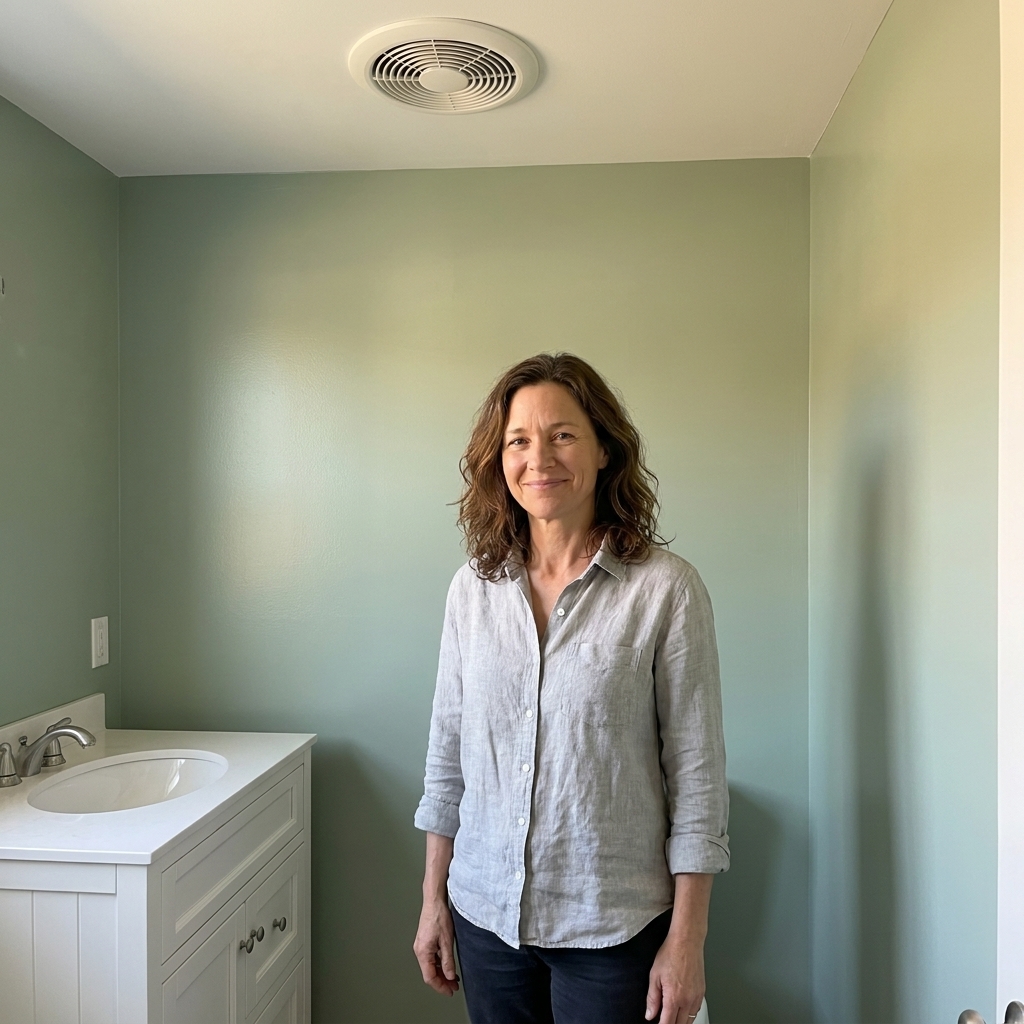
Bathrooms
- Ceiling: Matte or low-sheen ceiling paint made for bathrooms, or a quality matte wall paint if you have excellent ventilation. Most ceilings look best in low sheen because it hides imperfections.
- Walls (outside the shower area): Satin is the sweet spot. It resists moisture and wipes clean without looking plastic.
- Trim and doors: Semi-gloss. It's durable, wipeable, and stands up to wet hands.
Kitchens
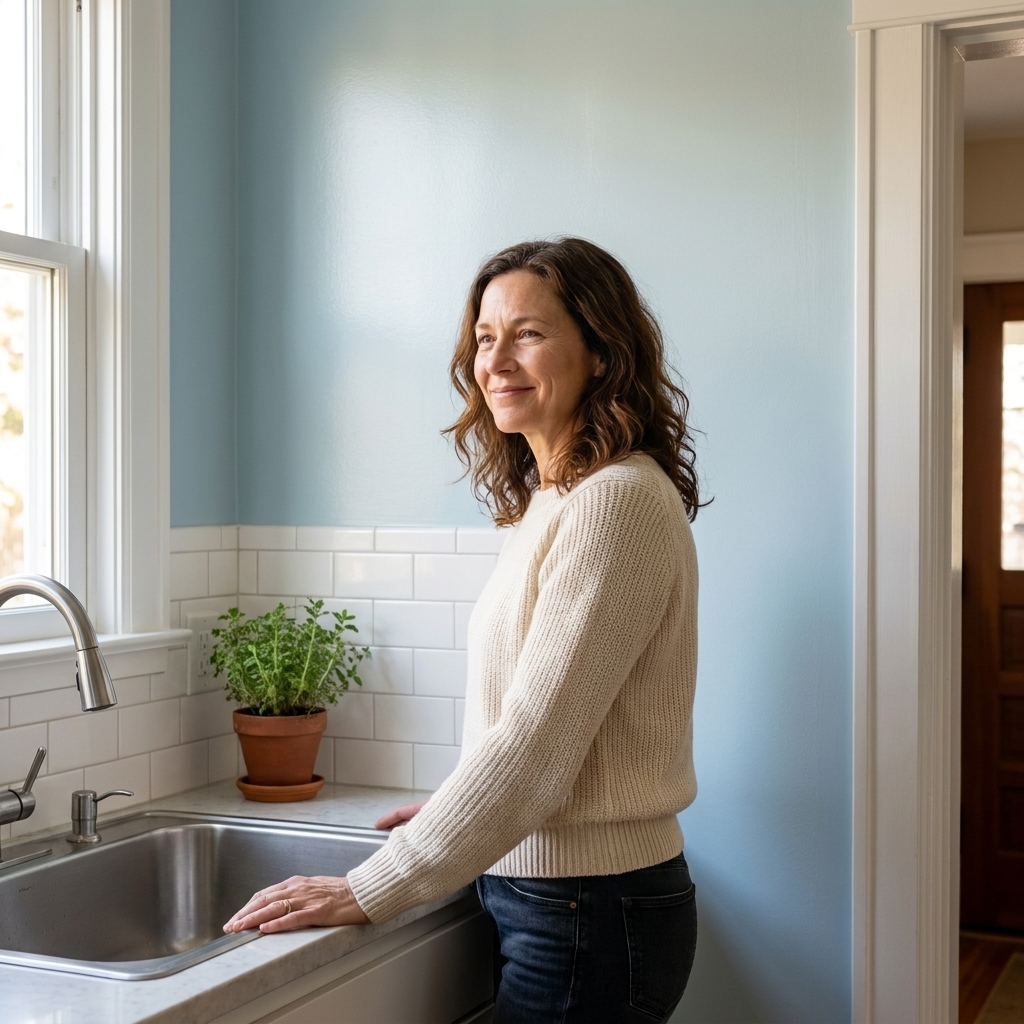
- Walls: Eggshell or satin. If your kitchen is a heavy-cooking zone, lean satin for better washability.
- Behind the sink and around trash/recycling: Satin (or a scrub-resistant matte, more on that below) because these are splash and scuff zones.
- Trim and doors: Semi-gloss.
What I avoid in high-moisture spaces: Flat wall paint (it doesn't clean as easily) and high gloss on large wall areas (it highlights every dent and drywall seam).
What mold-resistant paint does
Let's set expectations. Mold-resistant paints contain mildewcides that slow mildew growth on the paint film. They don't fix the root causes that feed mold, like poor ventilation, damp drywall, or a plumbing leak.
If you keep getting mildew on the ceiling over the shower, paint is only part of the solution. You also need:
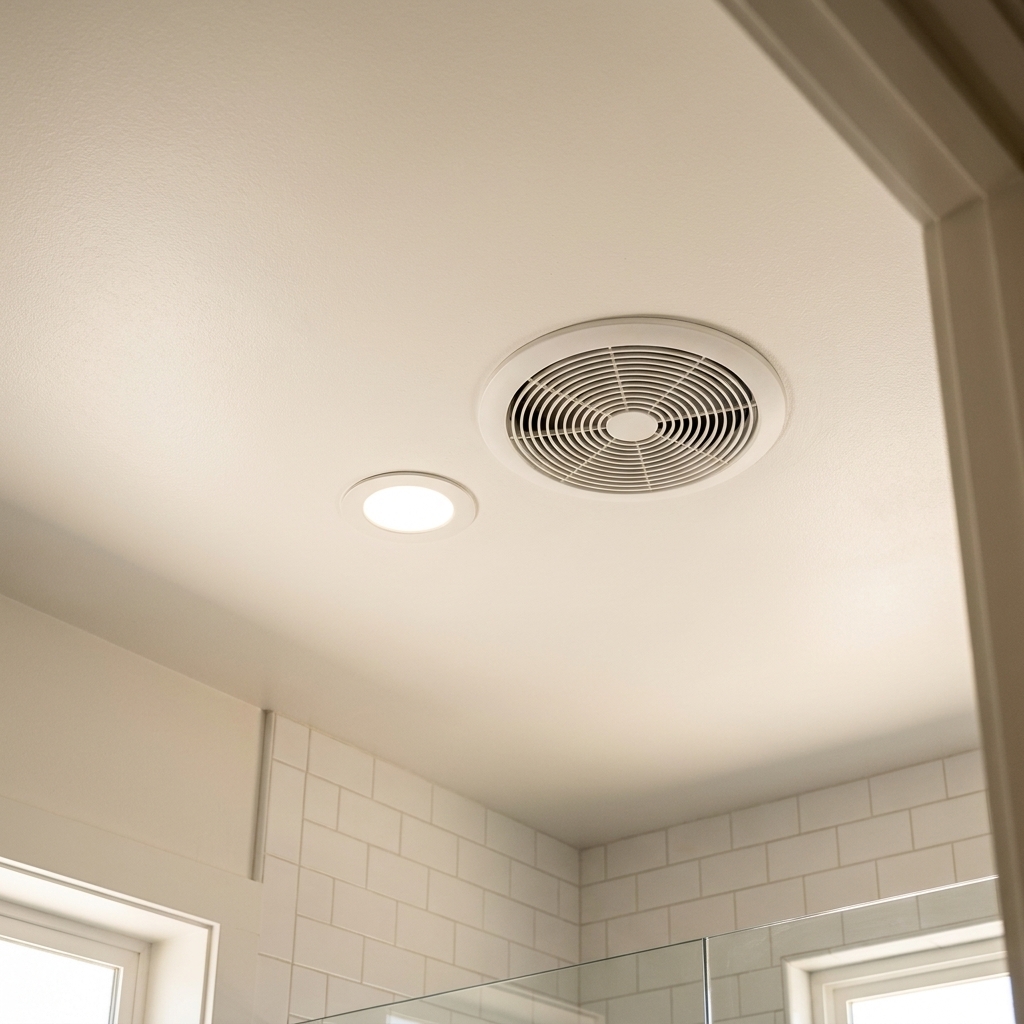
- A properly sized bath fan that vents outdoors (and actually gets used).
- Dry time between showers, especially in small bathrooms.
- Leak-free plumbing and sealed grout and tile transitions where needed.
If moisture is trapped behind the wall, no paint brand will outsmart it. Paint protects surfaces. Ventilation and waterproofing protect assemblies.
When to call a pro
If you're seeing large areas of mold, recurring growth that comes back fast, or any signs of an active leak or wet drywall, stop painting and get the moisture issue assessed first. Surface mildew you can fully clean and dry is one thing. Hidden or ongoing moisture is another.
Best finishes for kitchens and baths
Manufacturers name sheens slightly differently, but the performance tiers are pretty consistent. Here's how to choose when you're standing in the paint aisle trying to decode labels.
Scrubbable matte
If you love the softer look of matte but need wipeability, look for lines marketed as scrubbable, washable, or scuff resistant. These modern formulas clean up far better than old-school flat paint.
- Where it works: Kitchen walls, powder rooms, guest baths with lighter use.
- Where I skip it: A steamy primary bath without great ventilation.
Eggshell
Eggshell is a classic kitchen sheen. It's often easier to touch up than satin and hides wall imperfections better.
Satin
If you want one safe answer for bathroom and kitchen walls, it's satin. It handles humidity and wipe-downs well and is forgiving enough for most drywall.
Semi-gloss
Semi-gloss is durable and moisture-resistant, but it reflects light strongly. Use it strategically: baseboards, casings, interior doors, and in some cases cabinetry.
Paint brands that hold up
You can get a solid result with many reputable brands if you prep well, but a few product lines are widely used in wet, high-traffic rooms because they tend to deliver better durability and washability.
Benjamin Moore
- Popular for bathrooms: Aura Bath & Spa (matte) is widely recommended when you want low sheen with better moisture resistance than typical matte.
- Dependable for kitchens and baths: Regal Select (eggshell or satin) is a consistent choice for good washability and everyday scrub resistance.
- Best for trim and cabinets: Advance (waterborne alkyd) can cure to a harder, smoother finish than typical wall paint when applied and cured properly.
Designer note: Aura Bath & Spa is a lifesaver when clients want “not shiny” walls in a bath. Just pair it with a strong bath fan so moisture isn't lingering for hours.
Sherwin-Williams
- Strong all-around pick: Duration Home (matte, satin) is very washable and holds up well to family life.
- Premium option: Emerald (matte, satin) is often chosen for a smoother look plus strong stain resistance.
- More budget-friendly option: SuperPaint (eggshell, satin) is commonly used for solid performance at a lower price point than the premium lines.
- Bath-specific options: Availability varies by store and region. Ask for the current bathroom-rated interior line and confirm what they recommend for ceilings.
Behr (Home Depot)
- Top pick for kitchens and baths: Behr Dynasty (matte, eggshell, satin) is tough and cleans well, making it a strong choice for busy walls.
- Solid budget-friendly option: Behr Ultra can work nicely for lower-moisture zones when paired with good prep and primer.
My Behr tip: If you're painting a bathroom that stays damp, don't budget your way out of durability. In steamy baths, step up to the higher-performance line.
PPG and Glidden
PPG and Glidden both offer higher-end interior lines designed for washability and stain resistance. The key is selecting their premium interior product rather than the entry-level wall paint, then choosing eggshell or satin for moisture zones.
Bathroom ceiling paint
Sometimes, yes, you want a ceiling-specific product. A bathroom ceiling is a condensation magnet, especially if:
- The ceiling is low.
- The shower runs hot and long.
- The fan is undersized or rarely used.
Look for a ceiling paint with mildew resistance and choose a flat or matte finish to hide ceiling texture and patches. If you already own a premium bathroom-rated wall paint in matte, it can often work on the ceiling too, as long as the manufacturer allows it.
Primer that prevents peeling
I've managed enough projects to tell you where paint jobs fail: not usually the brand, but the prep and primer. In kitchens and baths, primer is often what makes paint stick long-term.
Use primer when
- You're painting over glossy or semi-gloss walls.
- You cleaned heavy grease (kitchen) and want maximum adhesion.
- You patched drywall, skim coated, or repaired water damage.
- You're covering stains or tannins (common in older homes).
Match the primer to the problem
- Bonding primer: Best for slick surfaces and stronger adhesion.
- Stain-blocking primer: Best for water stains and stubborn discoloration. In some cases, shellac or oil-based stain blockers work best, but follow ventilation and safety guidance.
- Mildew-resistant primer: Helpful when you've had mildew on the surface and you've fully cleaned and dried everything first.
Pro prep note from a plumber’s kid: If you see staining that grows or changes, don't paint it and hope. Find the moisture source first. Paint isn't a leak detector.
Prep that matters
Here's my streamlined, jobsite-realistic checklist. It's not complicated, but skipping steps is expensive.
- Clean first: Kitchens collect oils. Bathrooms collect hairspray and soap film. Use a degreasing cleaner in kitchens and a residue-cutting cleaner in baths. Rinse well and let dry.
- Avoid residue traps: Some “leave-on” cleaners and heavily scented sprays can leave a film that hurts adhesion. If it feels slick after it dries, keep rinsing until it doesn't.
- Kill and remove mildew: If you have mildew, treat it properly (follow product instructions and safety precautions), then rinse and dry completely. Paint should go on a dry surface.
- Scuff sand glossy paint: You don't need to destroy the wall. You just need to dull the sheen so primer grips.
- Caulk gaps: Use paintable, mildew-resistant caulk where trim meets wall and in small non-wet gaps. Don't caulk inside a shower surround where you need a proper tile or waterproofing approach.
- Prime strategically: Prime repairs and problem areas, or prime the whole room if adhesion is questionable.
- Give it cure time: Dry to the touch isn't cured. Avoid heavy scrubbing for at least a week, and check the can for full cure time (often 2 to 4 weeks) before you go at it with strong cleaners.
Where paint stops
Paint is great for drywall. It's not a substitute for waterproof materials in true wet zones.
- Inside showers: Use tile, a solid surface surround, or a rated wall panel system over a proper waterproof assembly. Painted drywall in a shower is a failure waiting to happen.
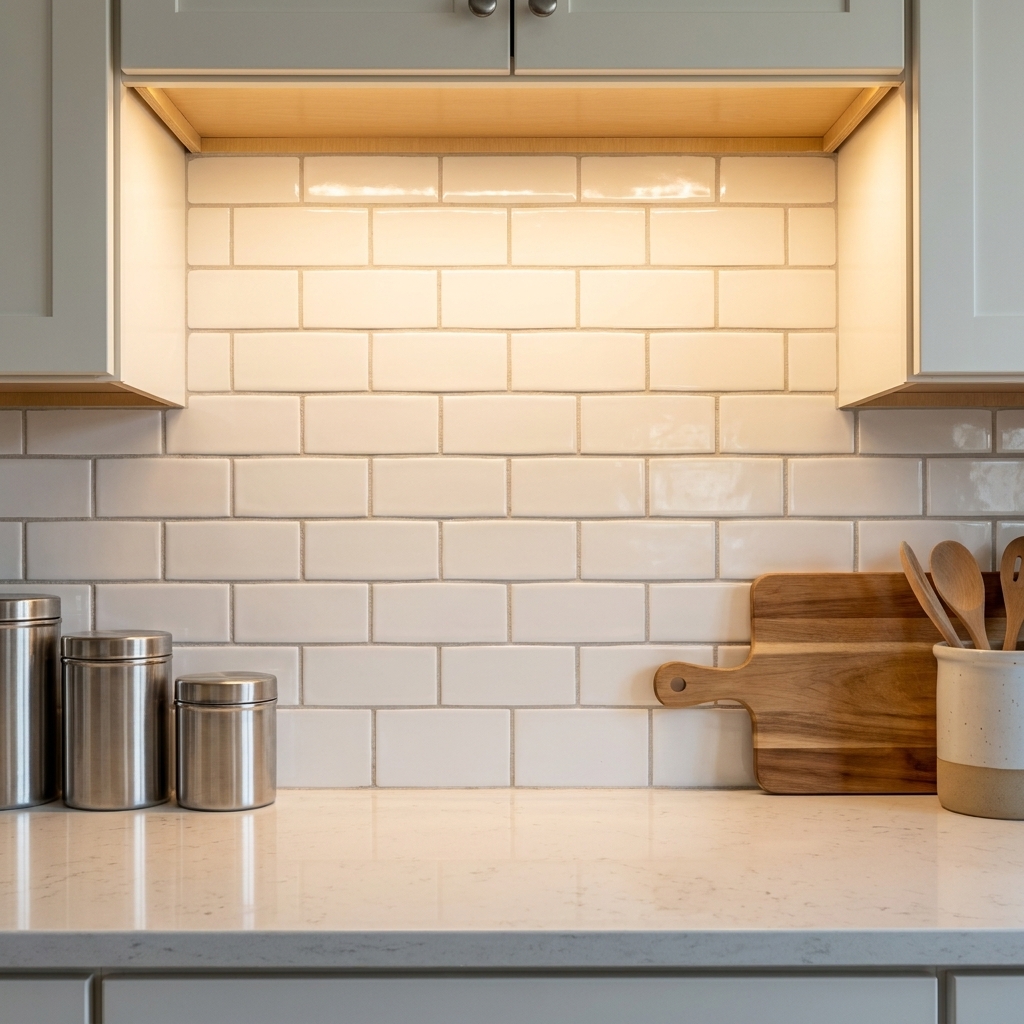
- Behind kitchen sinks: Paint can work, but if you're constantly splashing, a backsplash (tile, slab, or a quality panel) is your long-term friend.
- Behind ranges: Paint can discolor or get dingy over time, especially with heavy heat and grease buildup. A backsplash is easier to clean and protects drywall.

Quick room picks
Steamy primary bathroom
- Walls: Satin in a premium, washable line
- Ceiling: Bathroom-rated matte or flat ceiling paint with mildew resistance
- Trim: Semi-gloss
- Non-negotiable: Use the fan, and confirm it vents outside
Kids’ bathroom
- Walls: Satin for wipeability
- Ceiling: Mildew-resistant flat or matte
- Upgrade tip: Spend a little more for scrub resistance. Toothpaste happens.
Kitchen with lots of cooking
- Walls: Satin or scrubbable matte from a premium line
- Behind sink and trash: Satin
- Upgrade tip: Consider a backsplash extension behind the sink if the wall is constantly wet.
Kitchen or bath cabinets
Cabinets take more abuse than walls, so don't assume wall paint is “good enough.” If you're painting cabinets in a kitchen or bath, use a cabinet and trim-rated product (often an enamel or waterborne alkyd) and respect the cure time before you rehang doors and start scrubbing.
FAQ
Is satin or semi-gloss better for bathrooms?
For walls, satin is usually better because it balances moisture resistance with a softer look that hides imperfections. Semi-gloss is great for trim and doors, but it can make walls look shiny and highlight patches.
Can I use bathroom paint in a kitchen?
Often yes, as long as it's an interior wall paint meant for drywall and it comes in a sheen you like. In kitchens, I prioritize washability and stain resistance more than mildew additives.
Do I need semi-gloss on a bathroom ceiling to prevent mold?
No, and I typically don't recommend semi-gloss on ceilings because it reflects light and shows every flaw. A bath-rated flat or matte paint plus good ventilation is the better combo.
What's the biggest mistake people make when painting kitchens and bathrooms?
Painting over grime or glossy paint without cleaning and priming. In kitchens, grease blocks adhesion. In bathrooms, residue and lingering moisture cause peeling. Clean, dry, scuff sand, prime, then paint.
My bottom line
If you want paint that lasts in high-moisture kitchens and bathrooms, focus on this trio:
- Choose the right sheen: satin for most walls, semi-gloss for trim, bath-rated matte or flat for ceilings.
- Buy the right product line: premium washable paints usually outperform bargain lines in steamy, scrubby rooms.
- Prep like you mean it: clean, dry, scuff, prime when needed, and let the paint cure before you scrub.
Do those three things, and you'll stop repainting your bathroom every couple of years and start enjoying the remodel you paid for.