A designer and project manager breaks down porcelain vs. ceramic tile: ANSI/ISO absorption basics, durability, slip resistance, maintenance, and price so you...
Your backsplash is one of the hardest-working surfaces in the kitchen. It gets hit with steam, splatters, grease, tomato sauce, and whatever happens when someone “just quickly” fries bacon. The right tile material makes cleanup easy and keeps your kitchen looking polished for years. The wrong one can turn into a constant battle with stains, etching, cracked grout, or a finish that never quite looks clean.
Below is a no-drama buyer’s guide to the most common backsplash materials. I’ll walk you through what each one is best at, where it can disappoint, and what it typically costs, so you can pick with confidence.
Cost note: The price ranges below are typical U.S. material-only estimates. Installation, wall prep, trim, and regional labor rates can change the total a lot.
First, decide what you need
Before you fall in love with a tile, answer these quick questions. They will narrow the field fast.
- How messy is your cooktop area? If you sauté daily, prioritize easy-clean surfaces and fewer grout lines.
- Do you want “wipe and done” or are you okay with maintenance? Natural stone is gorgeous, but it asks more of you.
- Is this your forever kitchen or a short-term refresh? Classic, widely-loved materials can be a safer resale play.
- What is your countertop material? Some pairings are effortless. Others compete or create maintenance conflicts.
- How much texture can you tolerate? Heavily textured tile looks amazing and traps grease in real life.
What “tile price” really means
Backsplashes are deceptively small projects. The tile itself is only part of the cost. Your total can swing based on layout complexity, prep, and labor.
- Tile material: priced per square foot (sometimes per sheet for mosaics).
- Setting materials: mortar, grout, caulk, sealers.
- Labor: varies widely by region and complexity. Mosaics and tricky patterns cost more to install.
- Edge details: bullnose, trim profiles, or stone or metal edging.
- Surface prep: fixing wavy walls, removing old tile, repairing drywall, or upgrading behind the range.
In most markets, a straightforward backsplash ends up being far more about labor and layout than the difference between a $6 tile and a $12 tile.
Ceramic tile
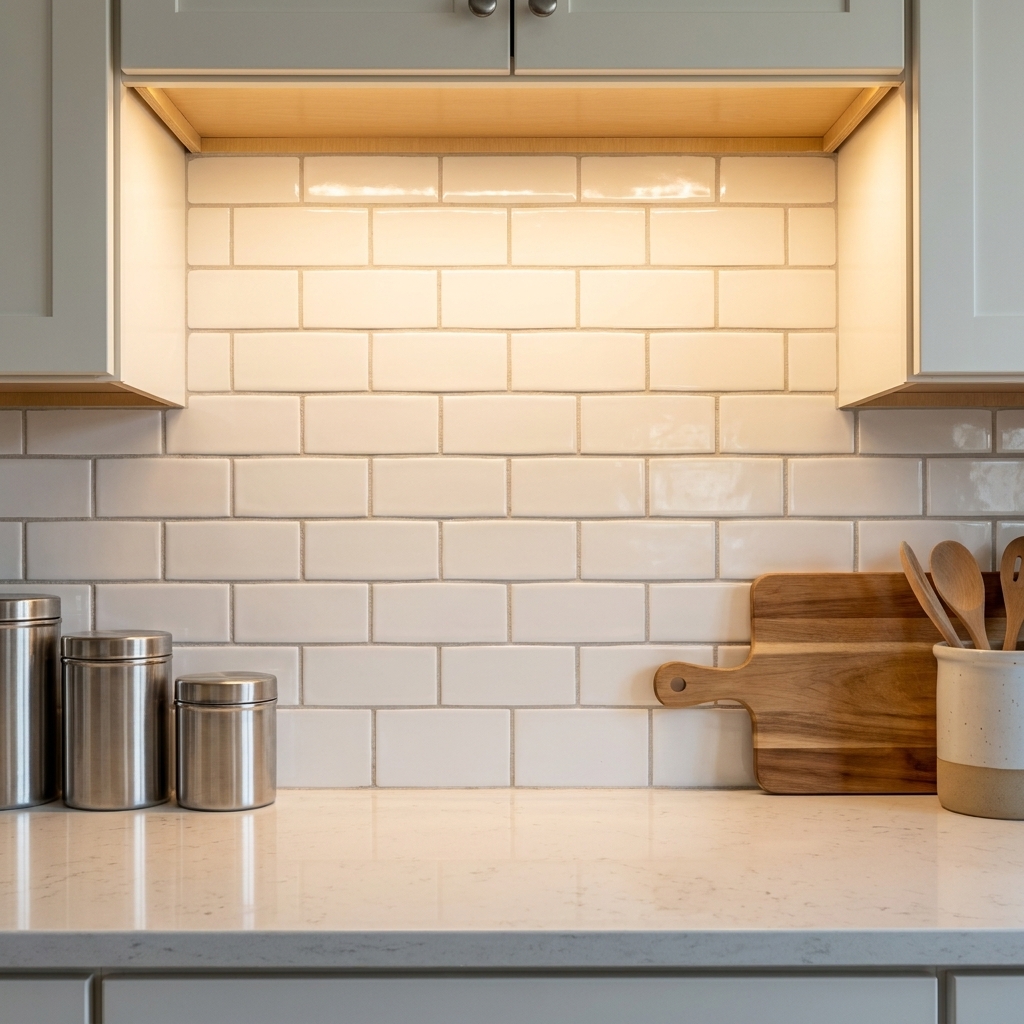
If you want a backsplash that is affordable, versatile, and forgiving, ceramic is the classic for a reason. Ceramic includes your everyday subway tiles, many handmade-look options, and most budget-friendly decorative shapes.
Pros
- Budget-friendly with tons of styles and colors.
- Easy to cut and generally easier on labor costs than finicky mosaics.
- Simple cleaning for most glazed ceramics.
Cons
- Chipping risk on some softer bodies, especially at outside corners.
- Crazing can happen on certain glazes, creating hairline cracks that may discolor over time.
- Quality varies dramatically between bargain tile and premium tile.
Typical cost (material only)
$2 to $10 per square foot, with specialty handmade-look tiles often $12 to $30+.
Where ceramic shines
Most kitchens, especially when you want that clean, timeless look or a gentle color moment without high maintenance.
Porcelain tile
Porcelain is often the tougher cousin of ceramic. In general, porcelain is denser and less porous than standard ceramic tile, which makes it a great choice when you want durability with minimal fuss. While porcelain is often used on floors, it can be an excellent backsplash choice too, especially in modern kitchens.
Pros
- Very durable and resistant to moisture.
- Low maintenance and typically stain resistant.
- Great for large-format tile if you want fewer grout lines.
Cons
- Harder to cut, which can increase labor cost.
- Some large formats show wall imperfections if the substrate is wavy.
Typical cost (material only)
$3 to $15 per square foot, with premium designs higher.
Design note
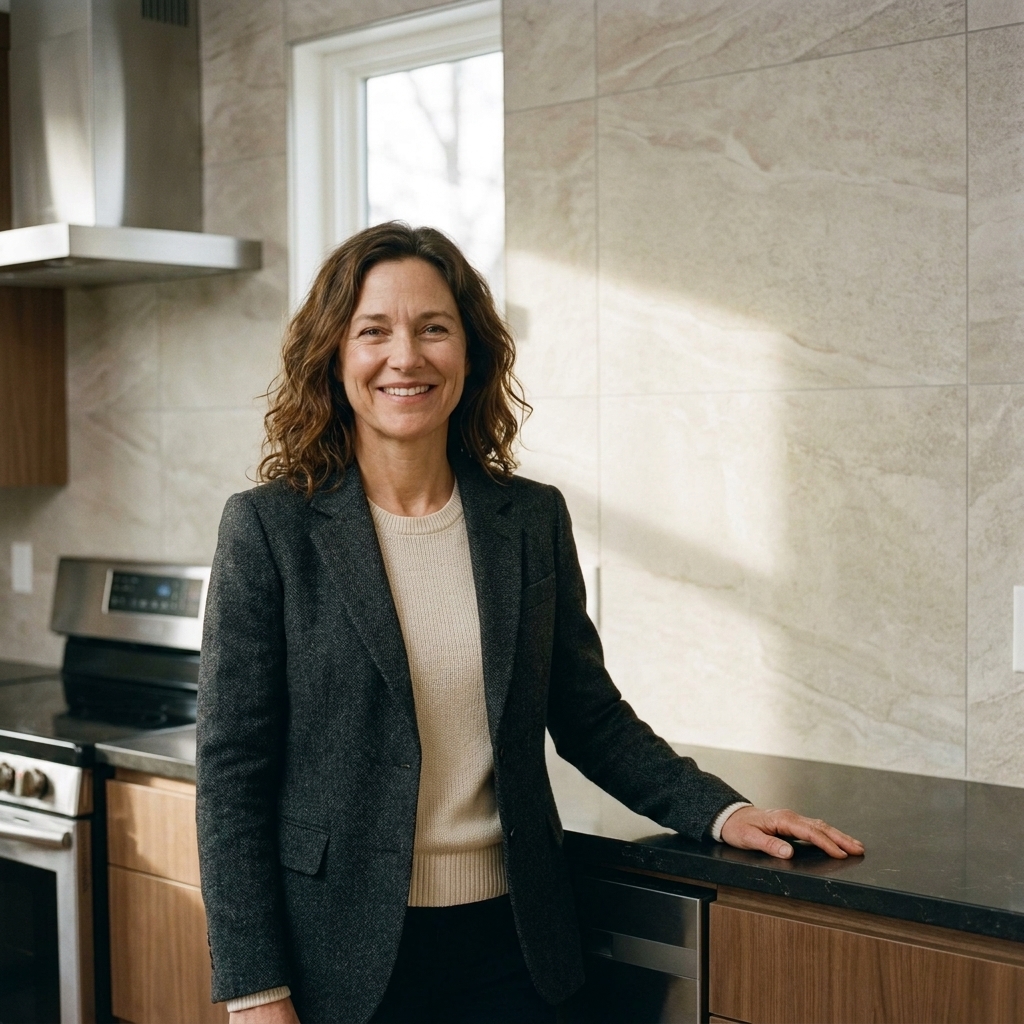
If you love the look of marble but fear the upkeep, porcelain that mimics marble is one of my favorite “save your sanity” swaps for a backsplash.
Glass tile
Glass tile reflects light beautifully and can make a kitchen feel brighter and more open. It is especially popular in smaller kitchens or spaces with limited natural light.
Pros
- Light-reflective and eye-catching.
- Non-porous surface, so it does not absorb stains.
- Great color depth, especially in translucent or iridescent finishes.
Cons
- Shows smudges and splatters more than you might expect, especially in glossy finishes.
- Needs the right mortar (typically white) and careful installation to avoid shadowing.
- Can scratch and certain finishes can look worn if scrubbed aggressively.
Typical cost (material only)
$7 to $30+ per square foot depending on brand and finish.
My practical tip
If you love glass but hate fingerprints, look for a matte or lightly textured finish, avoid abrasive scrubbers, and choose a grout color that does not contrast harshly.
Natural stone
Stone backsplashes can be absolutely stunning. They also come with real maintenance expectations. Stone is porous to varying degrees, and some stones react to acids found in everyday kitchen life.
Pros
- One-of-a-kind variation that looks rich and layered.
- Elevated style that pairs beautifully with many countertop materials.
- Timeless appeal, especially with marble or honed finishes.
Cons
- Sealing is usually required, sometimes periodically depending on the stone and sealer.
- Etching risk for calcium-based stones like marble and limestone when exposed to acids (lemon, vinegar, wine, and some tomato products).
- Staining risk in lighter stones or more porous varieties.
- Rust spotting can occur in some stones due to mineral content.
Typical cost (material only)
$8 to $40+ per square foot. Marble mosaics and premium slabs can go higher.
If you pick stone, do this
- Choose a honed finish if you want a softer look and less obvious etching.
- Use a pH-neutral cleaner and avoid acidic or bleach-heavy sprays.
- Plan for sealing and ask the installer which product they recommend for your specific stone.
Stone-look porcelain
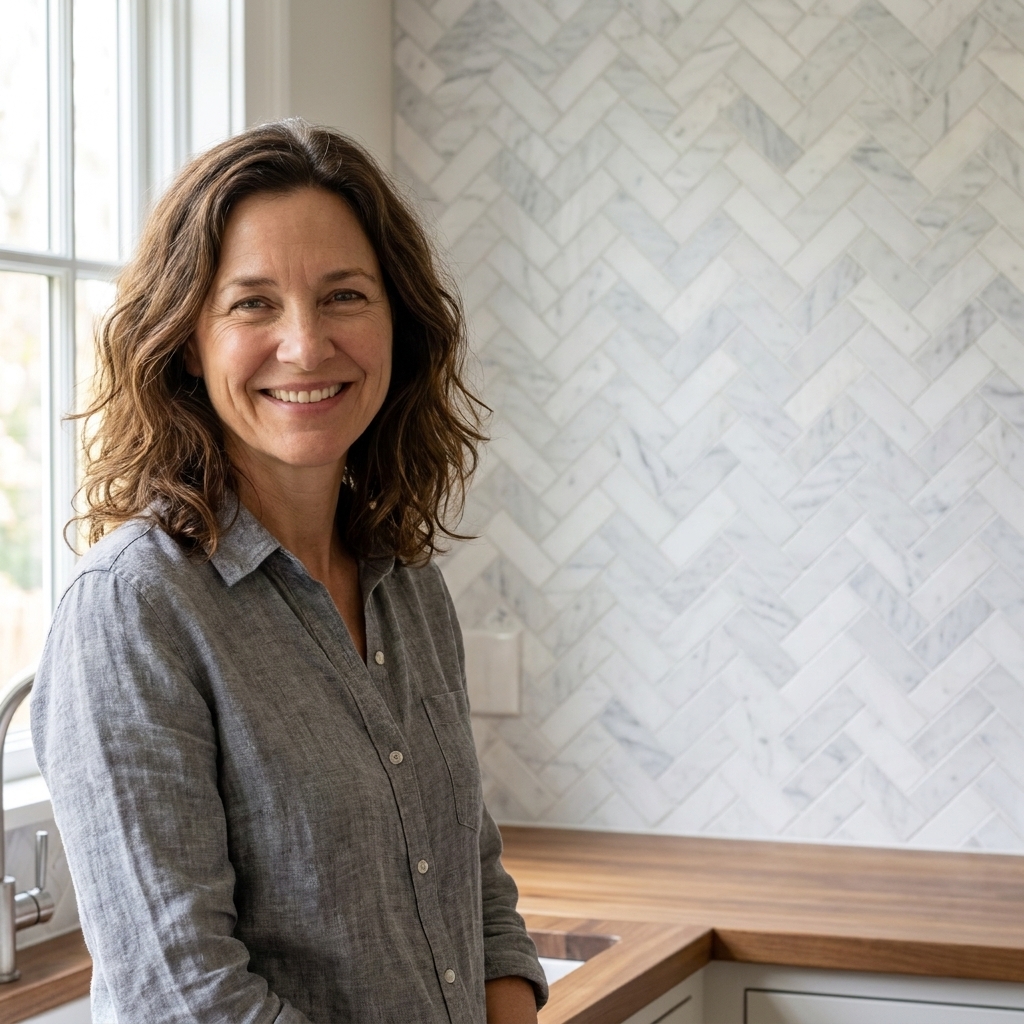
This deserves its own callout because it solves a common homeowner dilemma: you want the look of marble or limestone, but you do not want to think about etching ever again.
- Looks: increasingly convincing, especially in larger formats.
- Maintenance: wipe-and-go. No sealing.
- Cost: often less than true stone for the material, sometimes more for labor if it is large-format.
- Reality check: print repetition can show up more on tiny tiles, so if you want the most natural look, go bigger when you can.
If your kitchen gets heavy use, this is one of the easiest “where to save” decisions without sacrificing style.
Metal tile
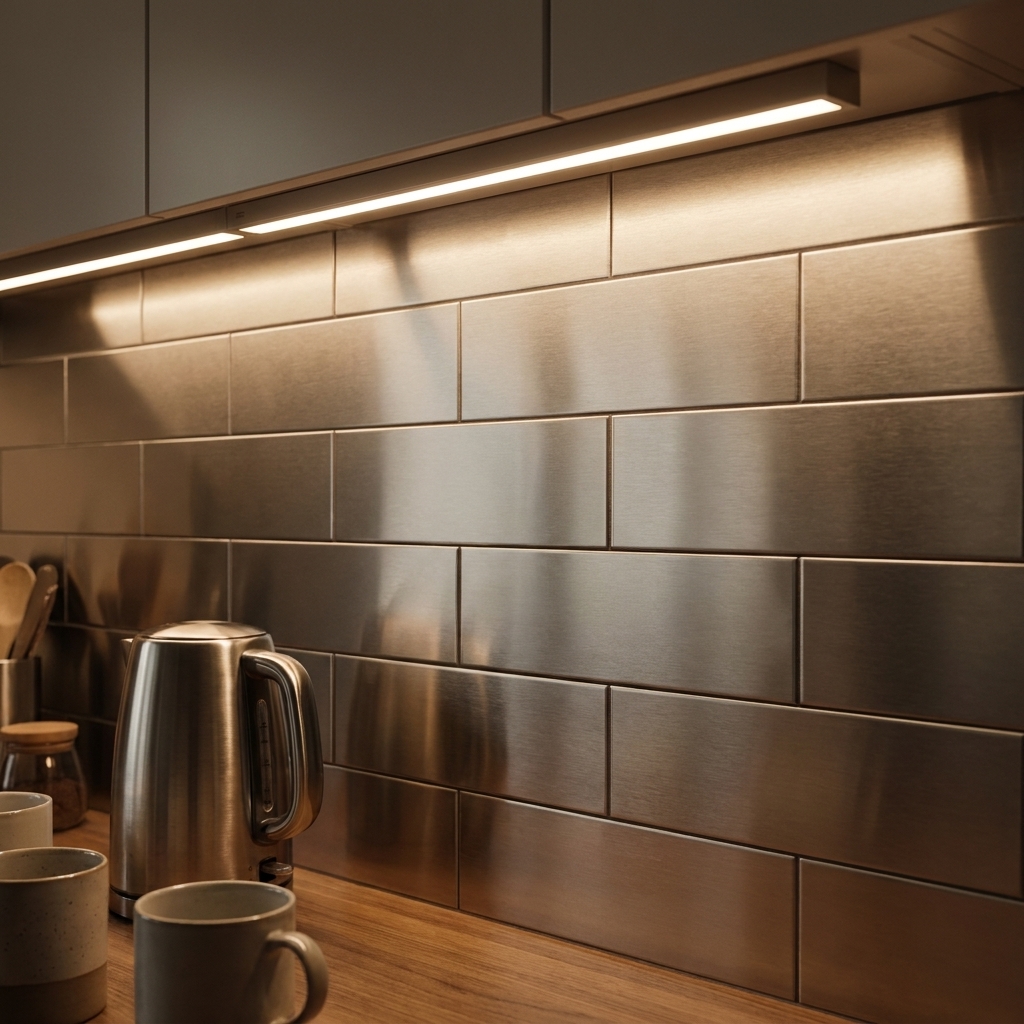
Metal tile can lean sleek and modern or warm and industrial, depending on the finish. It is commonly used as an accent, but it can work across a whole backsplash if you like the look and are okay with visible patina and smudging.
Pros
- Great behind a range for a pro-kitchen vibe.
- Handles heat well in general, but the backing, coatings, and adhesive systems are product-dependent.
- Unique texture that stands out from typical tile.
Cons
- Shows fingerprints and water spots.
- Can dent or scratch depending on the metal and thickness.
- Patina changes over time, especially with copper.
Typical cost (material only)
$15 to $50+ per square foot, with specialty products higher.
Installation note
If you are installing metal tile behind a rangetop or cooktop, confirm the manufacturer’s heat rating and recommended setting materials. Not every metal mosaic sheet is designed for high-heat zones.
Cement and patterned tile
Cement tile and encaustic-look patterns are the “jewelry” of many kitchens. They can be jaw-dropping. They also require you to be honest about maintenance and grout.
Pros
- Big visual impact with pattern and color.
- Great for focal areas, like a range wall or coffee bar niche.
Cons
- Porous material that typically needs sealing.
- Can stain if not sealed and maintained properly.
- Busy patterns can be visually loud if the rest of the kitchen is also high-contrast.
Typical cost (material only)
$10 to $30+ per square foot. Porcelain “encaustic-look” tiles can run less and are much lower maintenance.
My practical approach
If you love the look but do not want the upkeep, choose a porcelain pattern tile instead of true cement, then keep the grout color close to the tile background for a calmer, cleaner look.
Peel-and-stick tile
I am not anti peel-and-stick. I am anti “peel-and-stick as a forever solution over a greasy wall behind a daily-use range.” There is a difference.
Pros
- Low cost and fast install.
- Great for renters or short-term updates.
- No grout, which some people love.
Cons
- Heat and moisture can weaken adhesive over time.
- Edges can lift, especially on textured walls or near sinks and ranges.
- Not as durable as real tile and can look less convincing up close.
Typical cost (material only)
$5 to $20 per square foot.
Best use cases
- Powder room wet bar, laundry room sink wall, or a light-use kitchen.
- A temporary update while you save for a full renovation.
Heat note
Always check the manufacturer’s heat limits and required clearance to burners. Many peel-and-stick products are not rated for high-heat zones.
Slab backsplashes
If you want a clean, high-end look with almost no grout, a slab backsplash is worth considering. This can be the same material as your countertop (common with quartz or stone) or a porcelain slab panel.
Pros
- Very few seams, which means easier cleanup.
- High-end, continuous look that feels custom.
- Great behind ranges when properly specified and installed.
Cons
- More fabrication and handling, so costs rise quickly.
- Outlet and edge detailing matters and takes planning.
- Material rules still apply: marble can still etch; grout-free does not mean maintenance-free.
Typical cost (material only)
Varies widely based on material and thickness, but it is often comparable to or higher than premium tile once fabrication is included.
Grout and finish choices
More grout lines equal more scrubbing
Mosaics are beautiful, but they come with a lot of grout. If you cook often, consider larger tiles, stacked subway, or large-format porcelain for easier maintenance.
Glossy vs matte
- Glossy: wipes easily, reflects light, shows smudges more.
- Matte: softer look, hides fingerprints better, can hold onto grime if heavily textured.
Grout color is a lifestyle choice
High-contrast grout looks crisp in photos and can look dingy faster in real kitchens. Mid-tone grout, like warm gray or light taupe, is often the sweet spot for everyday living.
Ask about grout type
Many installers use cement-based grout by default, but epoxy grout is worth considering for backsplashes in high-splatter zones because it resists staining. It can cost more and is more finicky to install, but it is a serious upgrade in performance.
Use caulk where walls move
At change-of-plane joints, like the countertop-to-backsplash seam and inside corners, use a color-matched caulk instead of grout. It helps prevent cracking and makes cleanup simpler.
Best picks by kitchen type
Busy family kitchen
- Porcelain (including stone-look porcelain)
- Glazed ceramic in a simple layout
- Consider epoxy grout in the cooking zone
Low-light kitchen
- Glass tile (matte or lightly textured if you hate fingerprints)
- Glossy ceramic subway tile
Luxury feel
- Natural stone (with sealing and correct cleaners)
- Large-format porcelain with a marble look
- Handmade-look ceramic with soft variation
Budget refresh
- Classic ceramic subway
- Porcelain pattern tile as a feature behind the range
- Peel-and-stick only for truly light-use or temporary upgrades
Common mistakes to avoid
- Choosing texture you cannot clean. Deep ridges and rough stone catch grease. If you love texture, use it away from the range and do a smoother tile behind the cooktop.
- Skipping trim planning. Decide how the edges will finish at open ends, windows, and cabinets. Your installer can use matching bullnose, metal edge profiles, or a stone trim piece.
- Not sampling at the right time of day. Hold samples under your actual under-cabinet lights. Lighting changes everything.
- Forgetting the outlets. Tile thickness can affect outlet spacing. Plan for box extenders and, if needed, new cover plates that fit cleanly.
- Assuming sealed stone is stain-proof. Sealer buys you time to wipe up spills. It does not make porous stone invincible.
Quick FAQ
What is the easiest backsplash to maintain?
Glazed ceramic and porcelain are usually the easiest because the tile surface is effectively non-porous and wipes clean easily. In real kitchens, grout is usually the main maintenance point, so tile size and grout choice matter.
Is natural stone a bad idea?
Not at all, as long as you go in with eyes open. Seal it, use the right cleaner, and accept that some stones like marble can etch. If that would drive you crazy, choose stone-look porcelain instead.
Should tile go to the ceiling?
Sometimes, yes. Full-height backsplashes behind a range hood or on a feature wall can look custom and intentional. It is more tile and more labor, so decide where it matters most visually.
How do I choose between a mosaic and a larger tile?
If you love low maintenance, go larger. If you want sparkle, pattern, or texture and do not mind more grout, mosaics can be worth it, especially as an accent instead of the entire backsplash.
My bottom line
The “right” backsplash tile material is the one that fits how you actually live. If you cook a lot, prioritize easy-clean surfaces and fewer grout lines. If you want a statement, use bold materials strategically where they will not become a maintenance chore. And if you are torn between natural stone beauty and real-life practicality, stone-look porcelain is the quiet hero I recommend all the time.
If you tell me your countertop material, cabinet color, and whether this is a heavy-cooking kitchen, I can help you narrow to two or three materials that will look great and behave even better.