
A down-to-earth guide to ADA-inspired bathroom planning: wider clearances, curbless showers, comfort-height toilets and vanities, discreet grab bars, DCOF tr...
Bathrooms are tough on cabinetry. Steam, drips, wet towels, and those “we’ll fix the fan later” years all add up. If you are choosing a vanity and you keep seeing solid wood and MDF (medium-density fiberboard), you are already asking the right question: Which one will survive humidity without turning into a science experiment?
Here’s the honest, contractor-meets-designer answer: either can be a great bathroom vanity when it is built well and installed in a well-ventilated bathroom. The “best” choice depends on where the vanity sits (kids’ bath vs. powder room), how you want it finished (paint vs. stain), and whether you are buying a budget cabinet or a higher-end build.
Quick definitions (so we are comparing apples to apples)
What “solid wood” means in vanity listings
“Solid wood” can mean a few things online. In cabinetry, it often refers to solid wood face frames and door frames, not necessarily solid wood everywhere. The big flat panels, cabinet sides, and bottoms are often plywood or engineered board even in nice cabinets.
- Solid wood doors typically means a wood frame with a center panel that may be wood, veneer, or engineered material.
- Solid wood cabinet box is less common and not automatically better for bathrooms.
What MDF is
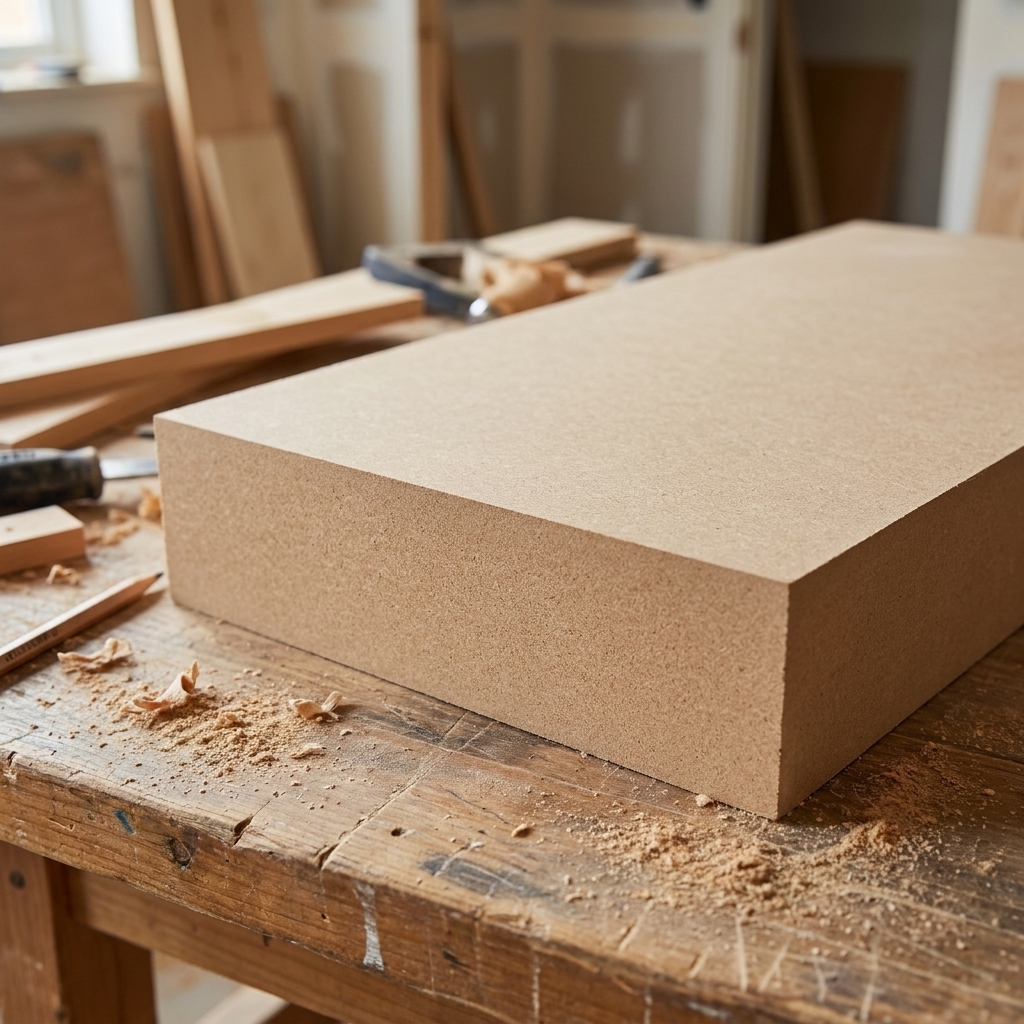
MDF is an engineered wood product made from fine wood fibers and resin, pressed into dense, smooth panels. It is heavy, stable, and very paint-friendly. MDF is not particleboard, and it is not inherently “cheap,” though cheap vanities often use cheaper engineered boards.
Humidity reality check: what actually fails in bathrooms
Most vanity failures come down to one of these:
- Liquid water sitting on an edge or seam (around the sink cutout, toe kick, or cabinet bottom).
- Swelling from repeated wetting and drying, usually where the finish is thin or missing.
- Movement from seasonal humidity changes, especially in solid wood parts.
- Poor ventilation that keeps the room damp for hours after showers.
The material matters, but so do construction details and finishing. A well-finished MDF vanity in a properly vented bath can outlast a poorly sealed solid wood cabinet in a steamy bathroom with no fan.
Solid wood in bathrooms: the real pros and cons
Pros
- Natural durability and repairability. Dings and scratches can often be sanded, filled, and refinished.
- Best for stained finishes. If you want a wood grain look (oak, walnut, maple), solid wood and wood veneer are where it is at.
- Strong for door frames and face frames. High-quality solid wood frames hold hinges and hardware very well.
Cons
- It moves. Wood expands and contracts with humidity. In bathrooms, that can mean seasonal sticking doors, hairline cracks at paint joints, or subtle warping if the piece is stressed.
- Paint can show joints over time. Painted solid wood doors often “telegraph” at the frame joints as the wood moves.
- Quality varies wildly. Softwoods and finger-jointed components can be totally fine, but you want good finishing and joinery.
My take: Solid wood is wonderful for vanities when you love a stained look, or when you are buying a higher-quality cabinet with excellent finishing and good ventilation in the room. Just do not assume “solid wood” automatically means “bathroom proof.”

MDF in bathrooms: the real pros and cons
Pros
- Very stable. MDF does not expand and contract like solid wood, which is why it is so popular for paint-grade doors.
- Smooth paint finish. If you want that crisp, furniture-like painted vanity, MDF doors can look amazing.
- Good value. You can often get a more premium look (thicker doors, nicer profiles) at a lower price point.
Cons
- Hates raw edges and standing water. If MDF swells, it is difficult to truly repair. The key is sealed edges and a durable finish.
- Heavier. Not a dealbreaker, but it matters for wall-mounted vanities and shipping.
- Fasteners need the right prep. Screws can strip if someone is rough during installation, especially on lower-quality MDF or improper pilot holes.
My take: For a painted vanity, MDF doors and drawer fronts are often my preferred choice, especially in busy family bathrooms. The big rule is to avoid designs where water can constantly hit unprotected MDF edges.
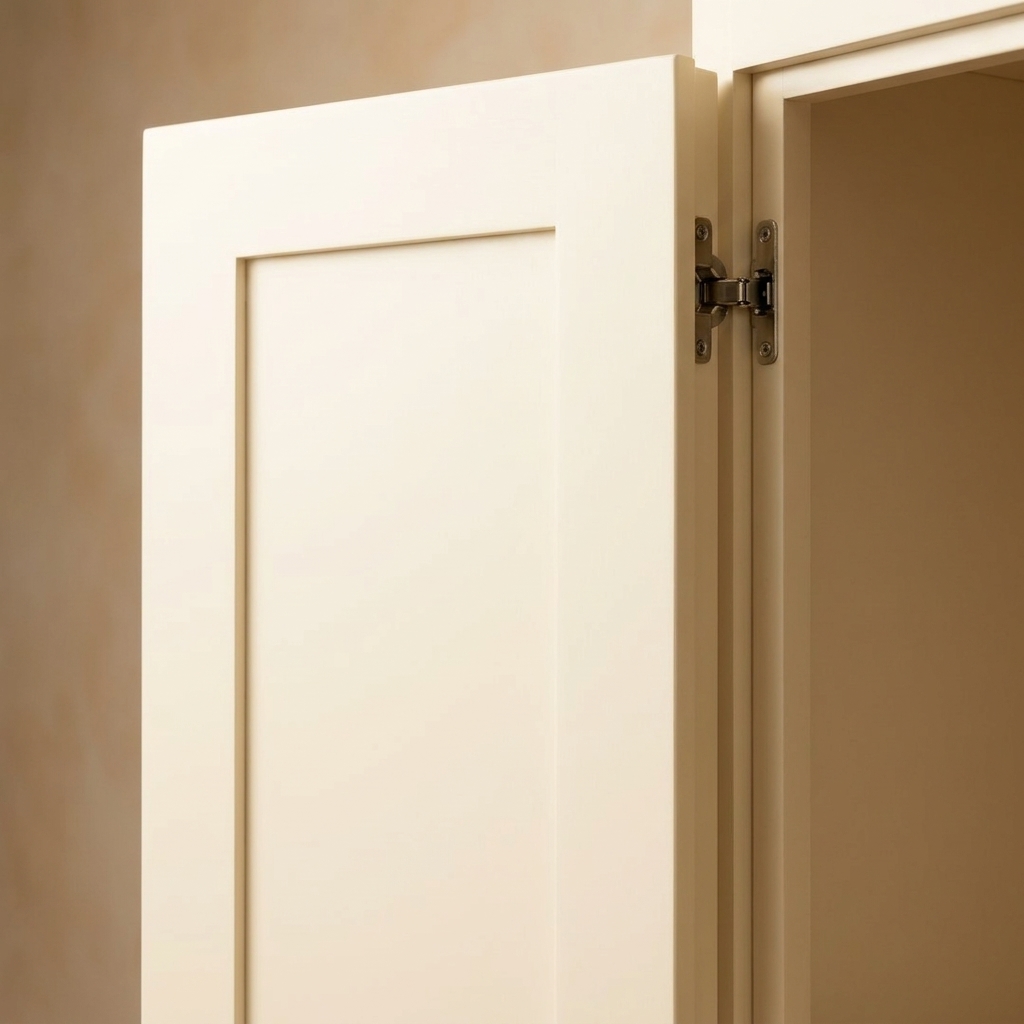
What matters more than wood vs. MDF: construction details that prevent swelling
If I could pin one message to every vanity listing, it would be this: the box build and finish quality matter more than the buzzword material. Here’s what to check.
1) The cabinet box material: plywood beats particleboard in wet zones
For the cabinet box (sides, bottom, back), look for:
- Plywood box: strong, holds screws well, and handles minor moisture events better.
- Furniture board / particleboard box: can be okay in a powder room, but it is more vulnerable if water reaches exposed edges.
If a listing says “solid wood and MDF,” that often means solid wood frame, MDF panels, and an unknown box. Ask what the box is made from.
2) Sealed edges and sink cutouts
The most common swelling I see is around sink cutouts and toe kicks. A quality vanity has:
- Fully finished interiors, not raw absorbent board.
- Sealed or banded edges, especially on drawer fronts and door edges.
- A clean countertop installation with silicone at the sink and backsplash where appropriate.
3) Door and drawer construction
- Five-piece doors (frame-and-panel) can be solid wood or MDF center panel. Both can be great.
- Dovetail drawers are a nice sign, but not mandatory for bathroom success.
- Soft-close hinges reduce slamming and racking, which matters over time.
4) Finish type and thickness
A sprayed factory finish is usually tougher and more consistent than a quick brush job. For painted vanities, a durable enamel or conversion varnish style finish (common in factory cabinetry) typically holds up better to humidity and cleaning.
Best material choices by bathroom type
Powder room (low humidity, low water exposure)
You have flexibility here. MDF, solid wood, plywood boxes, and even some better-quality furniture board can perform well. Choose based on style and budget.
Kids’ bath or high-traffic family bath (splashes happen)
Prioritize durability and easy cleaning.
- Great pick: MDF doors and drawer fronts with a high-quality paint finish, plus a plywood box if possible.
- Also great: Solid wood doors with a painted finish if you accept that seasonal movement may show at joints.
Primary bath with daily showers (humidity is real)
In steamy baths, your success is a combination of materials and ventilation.
- Great pick: Well-finished MDF or solid wood doors paired with a plywood box.
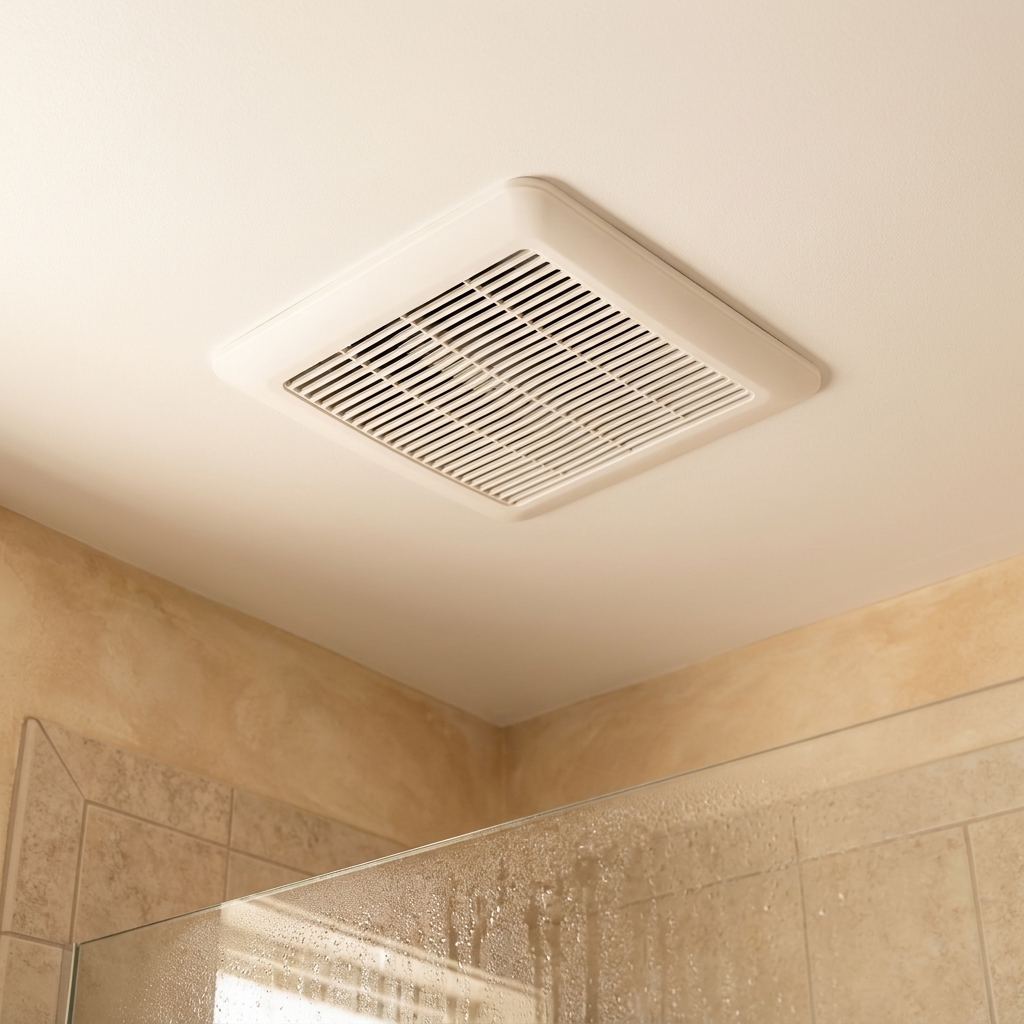
- Must do: A properly sized, properly ducted exhaust fan and consistent use.
Bathrooms where the vanity is next to the tub or inside a wet zone
If the vanity is getting direct spray, do not count on any wood product alone to save you. Choose a water-smart layout and use materials that tolerate water better at the splash line, like a well-sealed countertop with a tight backsplash and thoughtful trim. Keep water from sitting on horizontal edges.
Where solid wood shines, and where MDF shines
If you want a stained wood vanity
Choose solid wood or veneer. MDF does not stain like wood because it has no grain. You can get faux finishes, but for real stain, go with real wood.
If you want a painted vanity with crisp lines
MDF doors and drawer fronts are often the sweet spot: smooth, stable, and less likely to show joint lines over time.
If you are worried about dents
Hardwoods (like maple) can be tougher than MDF, but MDF is also quite dense. The bigger issue is edge damage. Rounded edges and a durable finish help regardless of material.
If you want the most “forgiving” cabinet after a leak
Minor moisture events tend to be less catastrophic for solid wood because it can dry and be refinished. MDF that swells usually stays swollen. That said, a real leak should be fixed fast no matter what your vanity is made of.
How to shop smarter (questions to ask before you buy)
- What is the cabinet box made of? Plywood, MDF, or particleboard?
- Are the door and drawer fronts MDF, solid wood, or a mix?
- Is the interior finished? Look for sealed interiors, not raw absorbent material.
- What is the finish? Factory sprayed finishes usually outperform site-painted work on mass-produced vanities.
- How are sink and countertop seams handled? A good install prevents water from getting to vulnerable edges.
If you are shopping in person, open the doors and run your fingers along the underside edges. If it feels rough, fuzzy, or unfinished, that is a red flag for bathrooms.
Humidity tips that protect any vanity
Material choices help, but these habits protect your investment even more:
- Use the exhaust fan and let it run 20 minutes after showers. If you do not have a timer switch, it is one of my favorite small upgrades.
- Wipe standing water off the countertop and around the faucet base.
- Seal plumbing penetrations where supply lines and drain lines come through the cabinet so drips are easier to spot and less likely to soak into edges.
- Address leaks immediately. A slow trap drip is the quiet vanity killer.
- Choose a backsplash or keep caulk lines in good condition to prevent water from running behind the top.
The bottom line: which is best for bathroom vanities?
Pick solid wood if you want a stained finish, you like the idea of refinishing down the road, or you are buying a higher-end vanity with excellent finishing and joinery.
Pick MDF if you want a painted vanity with a smooth, consistent finish and you want a material that is stable in humidity swings, as long as it is well-sealed and not repeatedly soaked.
If you want my simplest rule from years in dusty demo and fussy punch lists: buy the best construction you can afford, prioritize a plywood box when possible, and make sure your bathroom is ventilated correctly. Do those three things, and both solid wood and MDF can live long, good-looking lives under your sink.
FAQ
Will MDF cabinets warp in a bathroom?
MDF is less likely to warp from humidity swings than solid wood because it is very stable. The risk with MDF is swelling if water gets into unsealed edges or seams. A good finish and good ventilation make a big difference.
Is solid wood always better than MDF?
No. Solid wood moves with humidity and painted solid wood can show joint lines over time. MDF can outperform solid wood for a painted finish in a humid room when it is properly sealed and not exposed to standing water.
What about plywood?
Plywood is a great material for cabinet boxes in bathrooms because it holds screws well and handles minor moisture exposure better than particleboard. Many of my favorite vanities use a plywood box with MDF or solid wood doors.
How do I know if a vanity is “moisture resistant”?
Marketing terms vary, so look for proof in the build: finished interiors, sealed edges, quality hardware, and a finish that feels consistent and durable. And remember, ventilation is your best moisture resistance.