A former kitchen and bath designer breaks down the best bathroom floors for moisture, what they cost to install, and which options hold up best to daily stea...
Tile shopping can feel like a pop quiz: porcelain, ceramic, PEI, DCOF, “vitreous,” “through-body”… and you just wanted a floor that survives kids, dogs, and a steamy shower.
Here’s the simple truth from years of kitchen and bath projects: porcelain and ceramic are close cousins. Both are fired clay-based tiles. The differences that matter for floors come down to water absorption, density, how they wear, slip resistance, and price. Let’s break it down so you can pick the right one for your bathroom or kitchen without overbuying or underbuilding.
Quick definition: “Vitreous” is a way of describing how dense and low-absorption a tile is. In plain English, more vitreous usually means it drinks less water.
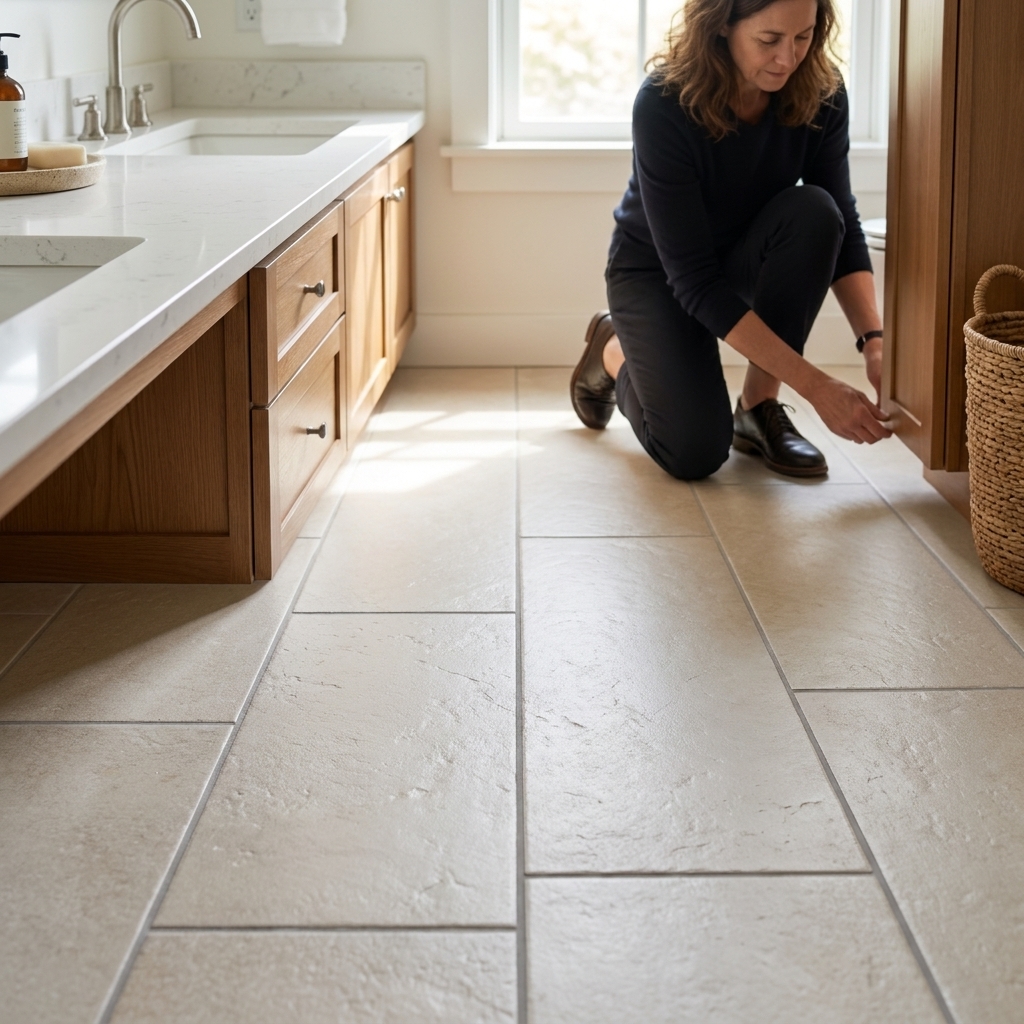
Porcelain vs. ceramic basics
Porcelain tile is made from finer clays and fired hotter, which makes it denser and typically less absorbent. It usually holds up better to heavy wear and lots of moisture.
Ceramic tile is still tough, but it’s generally slightly more porous and easier to cut. It can be a great choice for many floors, especially in low to moderate traffic homes and powder baths.
If you remember one number, make it this: porcelain is defined as 0.5% water absorption or less per common industry standards (often referenced under ANSI A137.1 and ISO 13006). Many ceramics absorb more than that, which is where the “porcelain is better in wet areas” advice comes from.
Water resistance
Bathrooms and kitchens are not just “wet sometimes.” They are wet in sneaky ways: damp bath mats, slow drips at the shutoff valve, standing water from a tub splash, dishwasher leaks you notice a day late.
Porcelain
- Lower absorption means less risk of moisture migrating into the tile body.
- Great for bathroom floors, mudrooms, and homes where wet shoes happen regularly.
- A safer bet in a kids’ bathroom where water ends up everywhere except the tub.
Ceramic
- Still perfectly fine for many kitchen floors and guest baths, especially when you use a quality grout and handle waterproofing details correctly.
- If the tile is glazed (most are), the surface is very water resistant, but the tile body underneath can still absorb moisture if water gets into unsealed edges or compromised grout.
Real-world note: Water problems on tile floors are more often about the substrate and waterproofing than the tile type. A porcelain tile installed over a poorly prepped floor can still crack. And a ceramic tile installed over a properly built, stiff, flat floor can last for decades.
Durability and wear
Density is porcelain’s superpower. It often takes abuse a little better than ceramic in busy households. That said, you can absolutely find ceramics that hold up great, and you can also find polished porcelains that show scratches like a dark car.
What to check on the box
- PEI rating (Porcelain Enamel Institute) refers to the durability of the glaze on glazed tile. For floors, I generally look for PEI 3 or higher in residential spaces, and PEI 4 if you have a high-traffic kitchen or big dogs with a habit of launching themselves around corners.
- Important nuance: PEI is only one indicator, and it does not apply the same way to unglazed or many through-body porcelains. When in doubt, look for the tile’s stated floor use classification (and any abrasion resistance info on the spec sheet), not just PEI.
- Through-body (color-body) porcelain can be more forgiving if it chips because the color runs deeper, but it’s not automatically “better.” It’s just different.
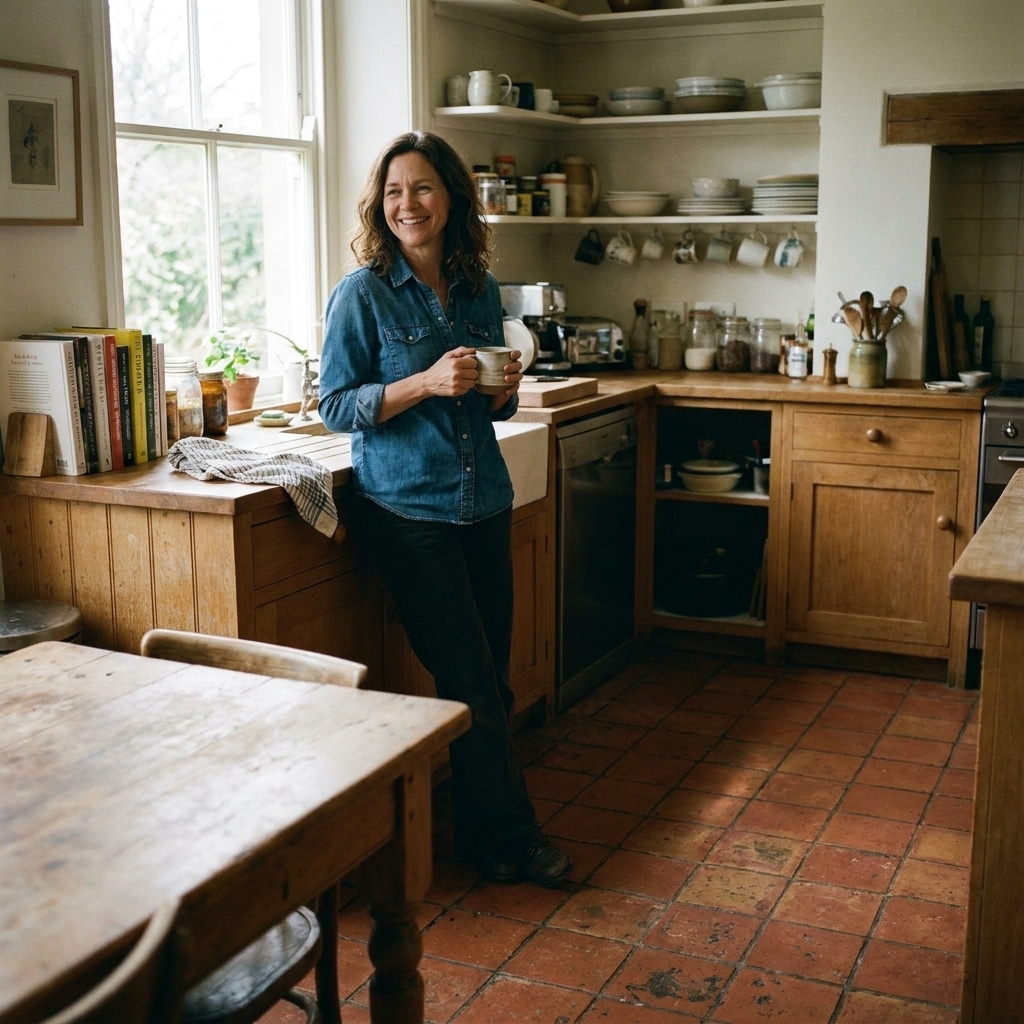
My designer-meets-jobsite advice: In kitchens, prioritize a finish that hides crumbs and scuffs. Super glossy floors look stunning on day one and not as stunning after three weeks of real life.
Slip resistance
If you’ve ever stepped out of a shower onto slick tile with wet feet, you already know why slip rating matters. Both porcelain and ceramic can be slippery or slip-resistant depending on the surface texture and finish.
DCOF and other ratings
Many tile manufacturers list a DCOF (Dynamic Coefficient of Friction) value for wet conditions. You will often see DCOF 0.42 or higher cited (commonly tied to ANSI A137.1) for level interior areas expected to be walked on when wet. Not every tile will display DCOF clearly online, and some brands instead provide other slip metrics like COF values, DIN 51130 R-ratings, or other regional classifications. If you cannot find a wet slip rating, ask for the product data sheet.
Quick traction cheat sheet
- Matte and textured tiles are usually safer under wet feet.
- Polished tile (porcelain or ceramic) is more likely to be slippery when wet.
- Small-format tiles (like 2-inch hex or mosaics) often feel more slip-resistant because you have more grout joints adding traction.
Bathroom pro tip: If you love the look of a larger tile but want more grip, choose a tile with a matte finish and a subtle texture, not a shiny polish.
Maintenance
Homeowners often assume porcelain is “no maintenance” and ceramic is “high maintenance.” In practice, the daily reality is mostly about grout and surface texture.
Both tile types
- Tile itself is generally easy to clean with a pH-neutral cleaner.
- Grout is where stains, mildew, and discoloration show up first.
Choices that change your life
- Epoxy grout: higher cost, but far more stain resistant and great for bathrooms and kitchens if your budget allows.
- Modern cement grouts: many are “stain resistant” out of the bag, and some may not require sealing the way older cement grouts did. Always follow the grout manufacturer’s instructions.
- Grout color: mid-tone grout hides real life better than bright white in high-traffic kitchens.
- Tile texture: deeply textured tiles can trap grime. Beautiful, yes. But choose wisely for a kitchen.
Cost
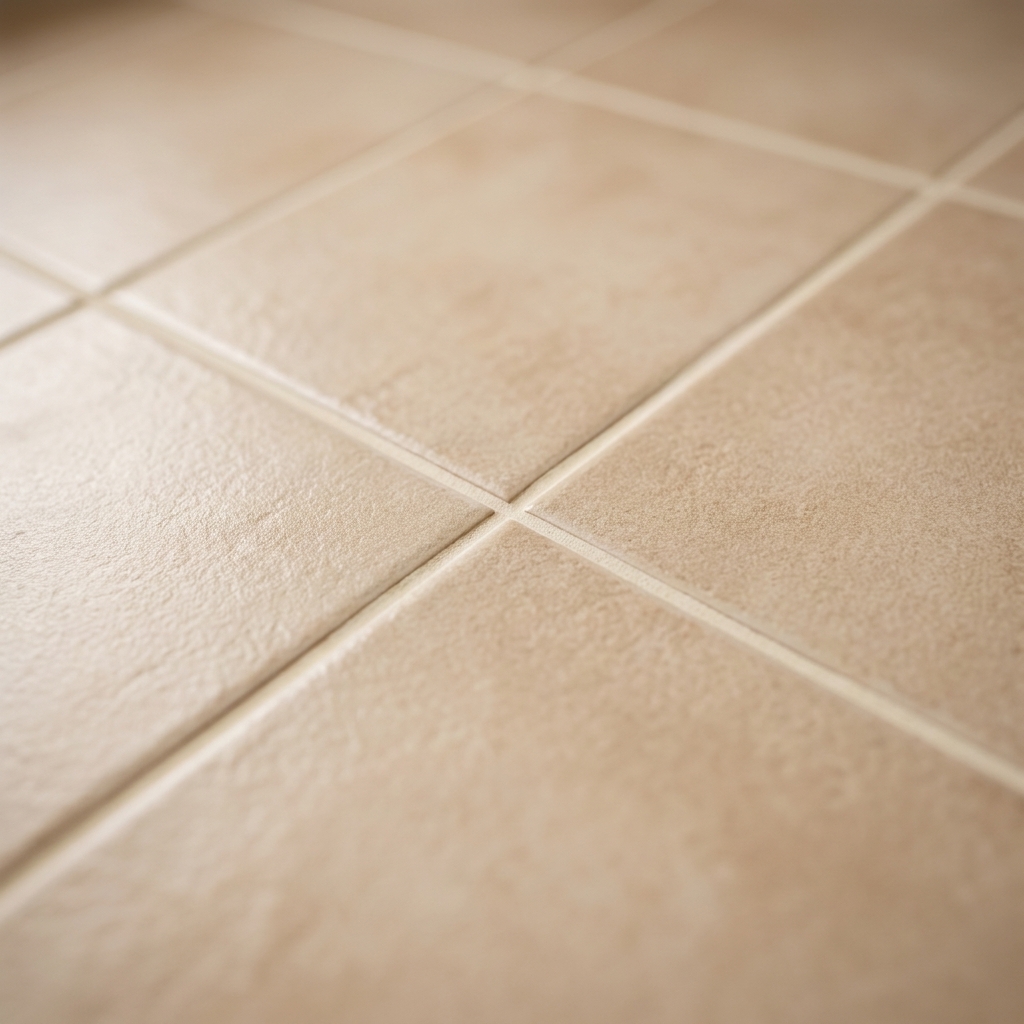
As a general rule, porcelain costs more than ceramic. But the tile price is only one line item in a floor project.
Typical ranges (tile only)
- Ceramic: often around $1 to $8 per square foot.
- Porcelain: often around $3 to $15+ per square foot.
Context: Those ranges are typical of big-box to midrange U.S. retail and can swing widely by region, brand, size, and availability.
Installation can be similar, but porcelain sometimes bumps labor costs because it’s harder and denser, meaning it can take more time, better blades, and more wear on tools.
Budget reality check
If you’re trying to control costs, you can often “win” more money by:
- Choosing a standard size tile that installs efficiently.
- Keeping the layout simple (fewer cuts, fewer transitions).
- Being strategic about where you use premium tile, like a statement powder room, and using a solid mid-range option elsewhere.
Bathroom picks
Here’s how I guide clients when we’re choosing bathroom flooring:
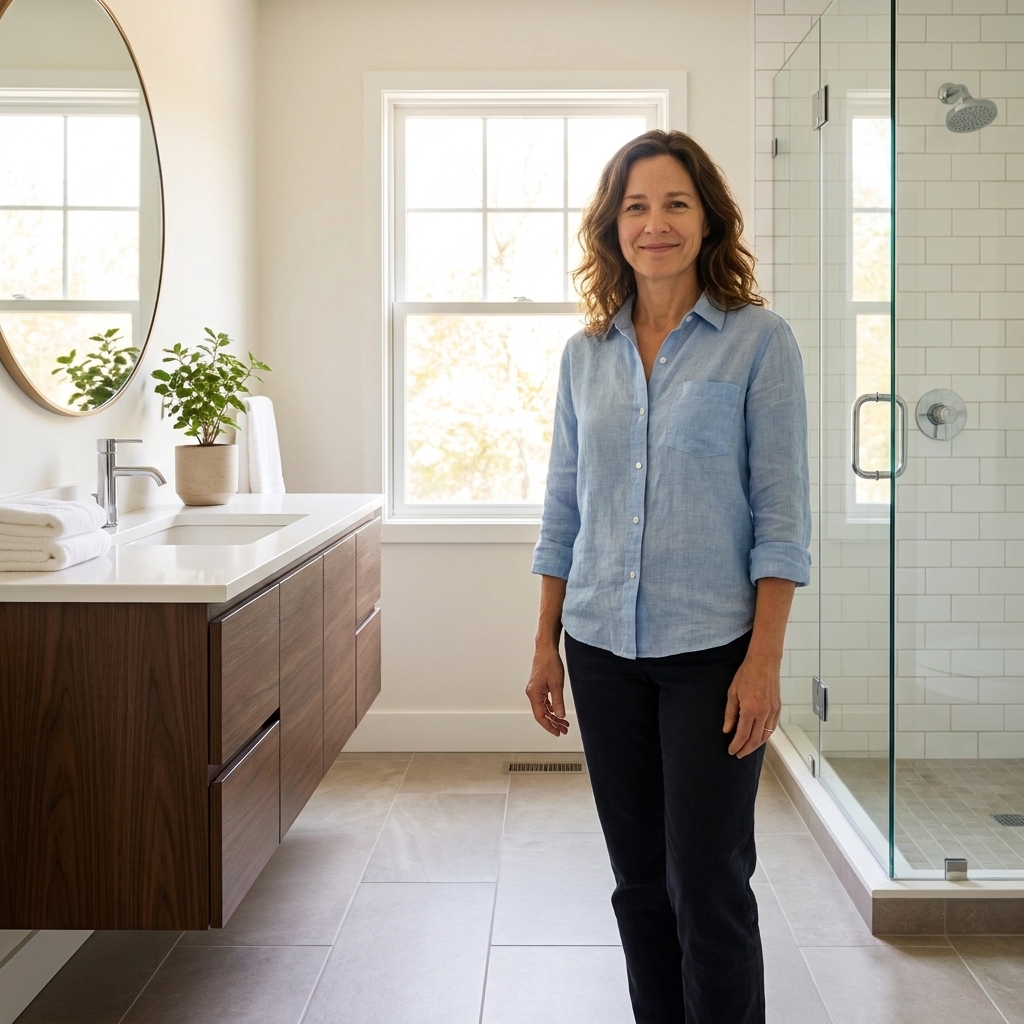
- Primary bath with daily showers: Porcelain is usually the safer bet for moisture and wear. Choose a matte finish with a solid wet slip rating.
- Kids’ bath: Porcelain, and prioritize slip resistance and easy-clean grout.
- Guest bath or powder room: Ceramic can be a great value, especially if the bathroom doesn’t see constant wet floors.
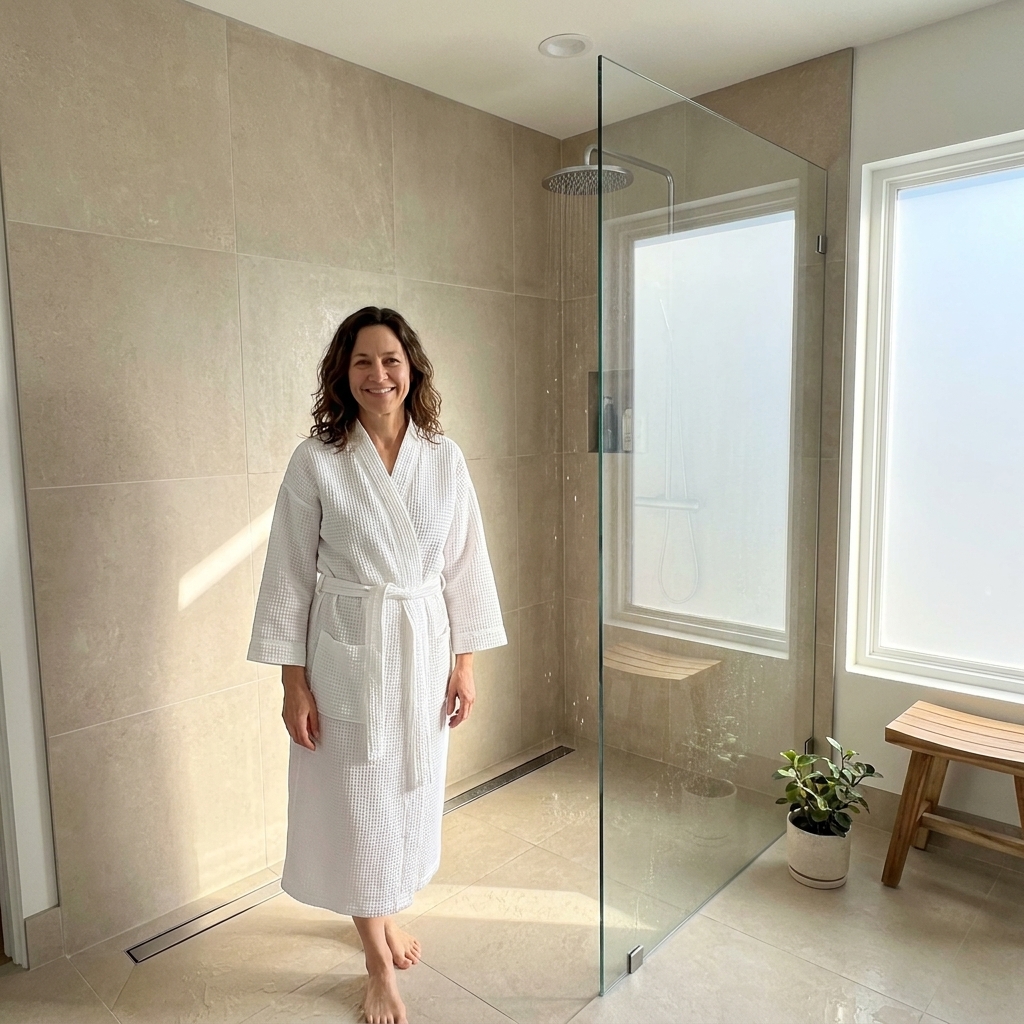
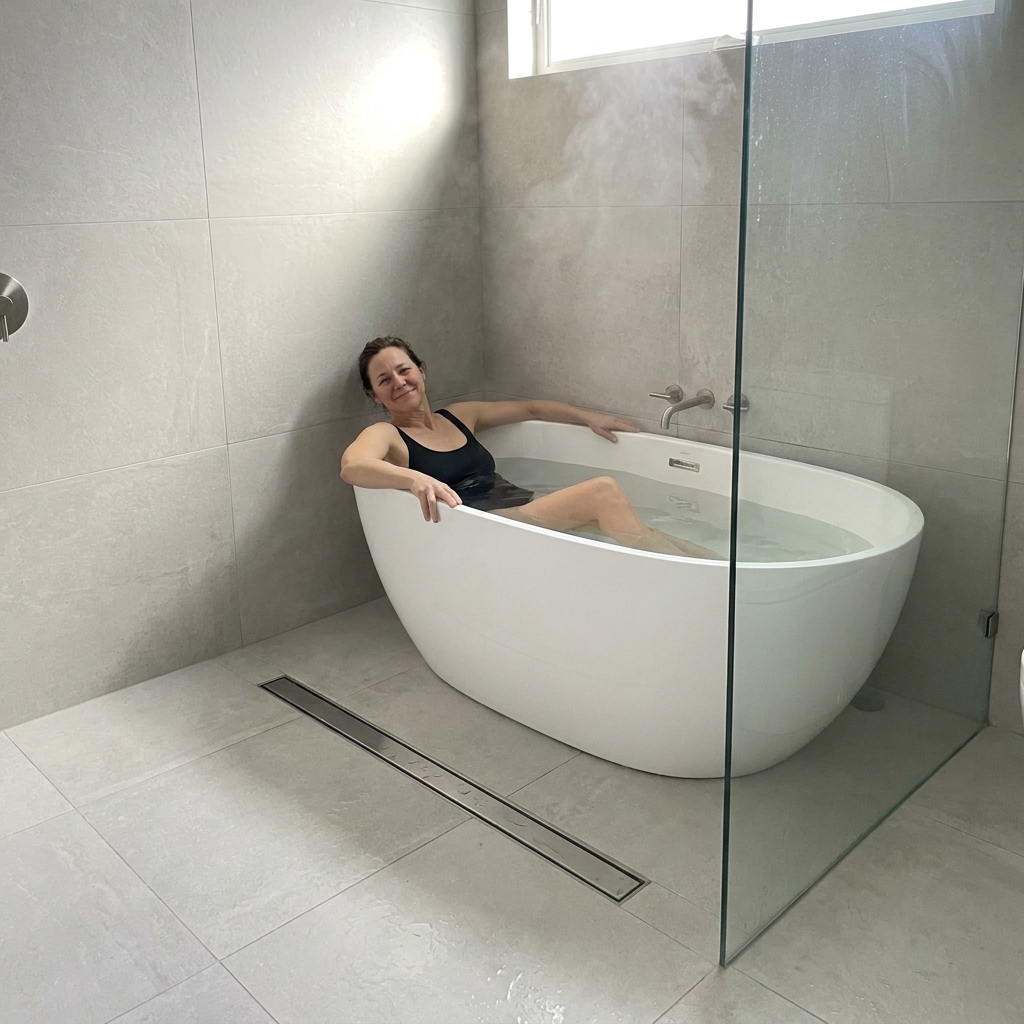
- Curbless shower bathroom: I strongly prefer porcelain for the floor, plus proper waterproofing under the tile and smart slope planning.
Kitchen picks
Kitchens are more about traffic, dropped pans, and chair legs than soaking wet floors. Both materials can work.
- Busy family kitchen: Porcelain is a workhorse, especially in an open-concept space that gets heavy daily use.
- Moderate-traffic kitchen: Ceramic can perform well and often gives you more options at a lower price point.
- If you cook a lot: Choose a finish that hides smudges and has some texture. A floor that shows every drip will make you resent your own kitchen.
Cabinetry-nerd note: If you’re changing cabinet layout, finalize your cabinet plan before ordering tile. Appliance widths, island size, and pantry swing can change where seams and cuts land.
Installation matters
Tile is not just tile. It’s a system: the tile, thinset, grout, underlayment, and the structure under it.
- Subfloor stiffness: If the floor flexes too much, tile and grout can crack. Your installer should verify the structure meets the required deflection limits for tile.
- Flatness: Larger format tile needs a flatter floor to avoid lippage and hollow spots.
- Underlayment: Cement board and uncoupling membranes are common choices. The right one depends on your subfloor and the tile you chose.
- Movement joints: Perimeter gaps and planned movement joints (often referenced under TCNA guidance like EJ171) help prevent tenting and cracked grout.
Porcelain vs. ceramic matters, but excellent prep matters more.
Exterior and freeze-thaw
If your project is outdoors, in an unheated sunroom, or anywhere that sees freezing temps, porcelain’s low absorption becomes a much bigger deal. Water that gets into a more absorbent tile (or into the setting materials) can expand as it freezes, which is where you see popping, cracking, and spalling over time. For exterior installs, confirm the tile is rated for your conditions and follow proper exterior installation methods.
Common myths
Myth: Porcelain is waterproof
Reality: Porcelain is very low absorption, but tile floors are systems. Water can still get through grout, corners, and penetrations. Good prep and waterproofing details matter.
Myth: Ceramic cannot go on floors
Reality: Many ceramics are rated for floors and hold up beautifully. The key is buying a tile that is floor-rated and appropriate for the traffic level.
Myth: Bigger tiles are always better
Reality: Larger tiles can look seamless and modern, but they demand a flatter subfloor and can be trickier in bathrooms where you want extra traction. Sometimes a slightly smaller format is the smarter choice.
Quick decision guide
- Choose porcelain if you want the most moisture resistance, you have a busy household, you are remodeling a full bath that gets daily use, or the tile may face freeze-thaw conditions.
- Choose ceramic if your space is lower traffic, you want to keep tile costs down, or you found a floor-rated ceramic you love and it meets the slip and wear specs.
If you’re stuck between two tiles you love equally, let the specs break the tie: wet slip rating, wear info (PEI for glazed tile, plus any floor use classification), and a tile that’s clearly labeled as floor-rated.
FAQ
Is porcelain always more durable than ceramic?
Porcelain is typically denser and less absorbent, which helps. But durability also depends on the tile’s glaze, finish, edge details, impact resistance, and whether it’s rated for your traffic level.
Do I need to seal porcelain or ceramic floor tile?
Most glazed porcelain and glazed ceramic tiles do not need sealing on the tile surface. Grout may benefit from sealer unless you use epoxy or a stain-resistant grout that does not require it. Some unglazed tiles or specialty finishes may have different requirements, so check the manufacturer’s care guide.
What’s better for radiant heat?
Both porcelain and ceramic work well over radiant heat. The bigger issues are proper underlayment, correct thinset, movement joints, and following the heating system manufacturer’s instructions.
Can I use ceramic tile in a bathroom?
Yes, as long as it’s floor-rated and you choose a slip-appropriate finish. For full baths with lots of daily water, porcelain is often the more forgiving choice.
Bottom line
Porcelain is usually the stronger, more moisture-resistant option, which is why it’s such a popular pick for bathroom floors and hard-working kitchens. Ceramic can absolutely be the right choice too, especially when it’s floor-rated, slip-appropriate, and you’re balancing budget with style.
Use the specs to narrow your shortlist, then confirm your finalists by reading the manufacturer’s data sheet for water absorption, floor use rating, and wet slip testing.