A step-by-step DIY guide to regrouting shower tile in place, including grout removal depth, grout types, dust safety, haze cleanup, curing, and finishing cor...
I grew up holding the flashlight for my dad under sinks and behind toilets, so I learned early that water always wins if you give it a path. That is basically the grout conversation in one sentence.
Homeowners usually start asking about epoxy grout after they have had a white shower floor turn “mystery beige,” or a kitchen floor grout line that collects every spaghetti night. Epoxy grout can be an awesome problem-solver, but it is not automatically the best choice everywhere. Let’s break down epoxy grout versus traditional cement grout (sanded and unsanded) in plain English, with real-world use cases for showers and kitchen floors.
The three grout types
Epoxy grout
True epoxy grout is a two-part (sometimes three-part) system: resin + hardener (and often a color filler). It cures through a chemical reaction instead of air drying. The result is dense, highly stain-resistant grout that typically does not require sealing.
Quick caveat, because the aisle is confusing: some products marketed as “epoxy” are actually epoxy hybrids or single-component premixed grouts with different care and performance. Always check the label and the manufacturer instructions for your exact product.
Cement grout (sanded)
Sanded cement grout is a cement-based grout with sand added for strength and bulk. It is the workhorse for wider joints and most floor tile installations. It is porous and typically benefits from sealing, especially in kitchens and showers.
Cement grout (unsanded)
Unsanded cement grout is smoother and designed for narrower joints, often used on walls and with delicate tile where sand could scratch. It is also porous and may need sealing depending on the location and the grout product.
At-a-glance comparison
| Feature | Epoxy grout | Cement grout (sanded/unsanded) |
|---|---|---|
| Stain resistance | Excellent, sealer usually not needed | Moderate to poor unless sealed and maintained |
| Water absorption | Very low | Higher, cement is inherently porous |
| Mildew discoloration risk | Lower in the grout itself, but surface soap scum can still grow mildew | Higher, can hold moisture and discolor more easily |
| Working open time | Shorter, more sensitive to temperature and mixing | Longer, generally more forgiving |
| Cleanup difficulty | Higher, can haze if not washed correctly | Lower, haze is usually easier to remove |
| Installed cost | Higher material + higher labor | Lower, faster labor and cheaper material |
| Best uses | Shower floors, shower pans, high-stain kitchens, light grout colors | Large wall runs, budget-conscious projects, DIY-friendly installs |
Stain resistance
If you want the honest designer answer: epoxy grout is most “worth it” when you are choosing a light grout color or a high-contrast look. White, warm gray, and pale greige cement grout can be gorgeous on day one, then slowly turn into a timeline of every product you used in that room.
- Epoxy grout: Highly resistant to staining from coffee, wine, sauces, hair dye, and many bath products. Great for keeping light grout lines looking crisp.
- Cement grout: Can stain quickly, especially on floors. Sealer helps, but it is maintenance, not magic. Also, sealers wear faster on floors than most people expect.
One more nuance worth knowing: “high-performance” cement grouts (polymer-modified, rapid-setting, fine aggregate) can perform better than basic cement grout, but they are still not the same thing as true epoxy when it comes to stain resistance.
Water absorption in showers
This is where grout myths get loud, so let’s calm it down.
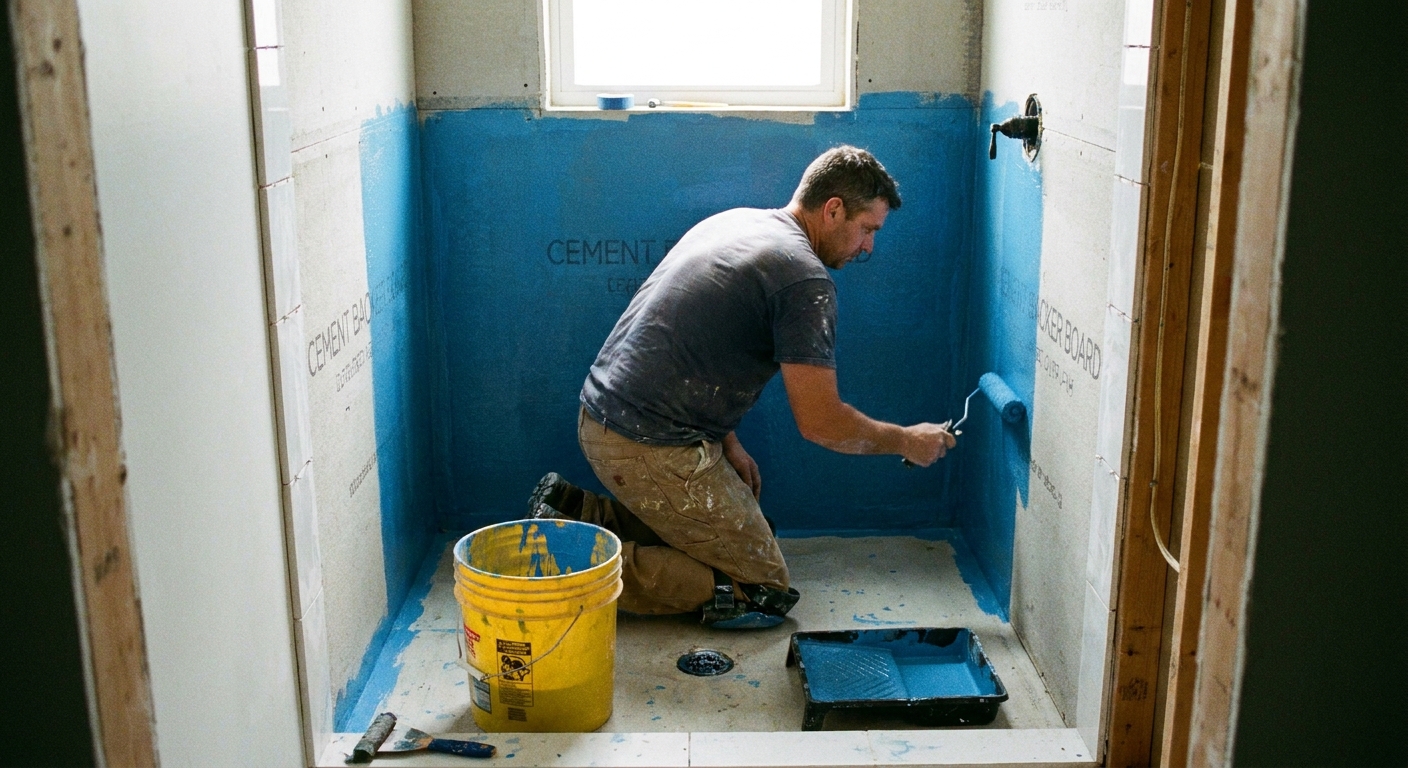
Tile and grout are not the waterproofing layer in a correctly built shower. The waterproofing is behind or under them: a shower pan liner, a bonded waterproof membrane, properly detailed corners, and a correct drain connection. Even so, grout choice affects how quickly the surface gets saturated and how easily it stays clean.
- Epoxy grout in showers: Because it absorbs very little water, it tends to stay more color-consistent and less “damp-looking,” especially on shower floors. It also helps reduce that permanently darkened grout line look that can happen with cement grout in wet areas.
- Cement grout in showers: Very common and industry-standard when the shower is properly waterproofed. The downside is maintenance: it is more prone to discoloration, and shower floors in particular can hold onto soap scum and minerals within the grout pores.
My contractor-brain rule: If the shower pan is done right, cement grout can function fine. If the homeowner wants the cleanest, lowest-maintenance surface, epoxy is usually the upgrade that actually delivers.
Also, a common head-scratcher: efflorescence (that white, crusty mineral haze) can show up with cement-based grouts when moisture carries salts to the surface. Epoxy grout generally does not have that issue, because it is not a cement product.
Install realities
Epoxy grout is not conceptually hard, but it is time-sensitive and less forgiving. That changes the labor.
Epoxy open time and cleanup
- Shorter working time once mixed. Heat and big batches make it set faster.
- Cleanup has a learning curve. If the wash is late or the sponge water is wrong, epoxy haze can cure onto the tile face.
- Pros often work in smaller sections with disciplined timing, dedicated wash steps, and very clean water.
Cement grout open time and cleanup
- Longer open time and easier pacing, especially on big wall runs.
- Haze is usually easier to buff off, and minor timing mistakes are less catastrophic.
- More DIY-friendly for most homeowners, though shower floors can still be tricky.
If you are paying for labor, epoxy often costs more because it slows the crew down and raises the risk of callbacks. If you are DIYing, epoxy is doable, but I recommend starting with a small, low-visibility area before you commit to an entire shower.
Installed cost
Costs vary by region and tile type, but the price difference almost always comes from two places:
- Material: Epoxy grout costs more per unit than cement grout.
- Labor: Epoxy typically takes longer to install and clean, and many installers charge more because it requires tighter process control.
Instead of chasing a number that may not match your local bids, here is the way I like to frame it: epoxy is a targeted upgrade. You do not have to epoxy-grout the entire tile project to get most of the benefit.
Where epoxy is worth it
1) Shower floors and shower pans
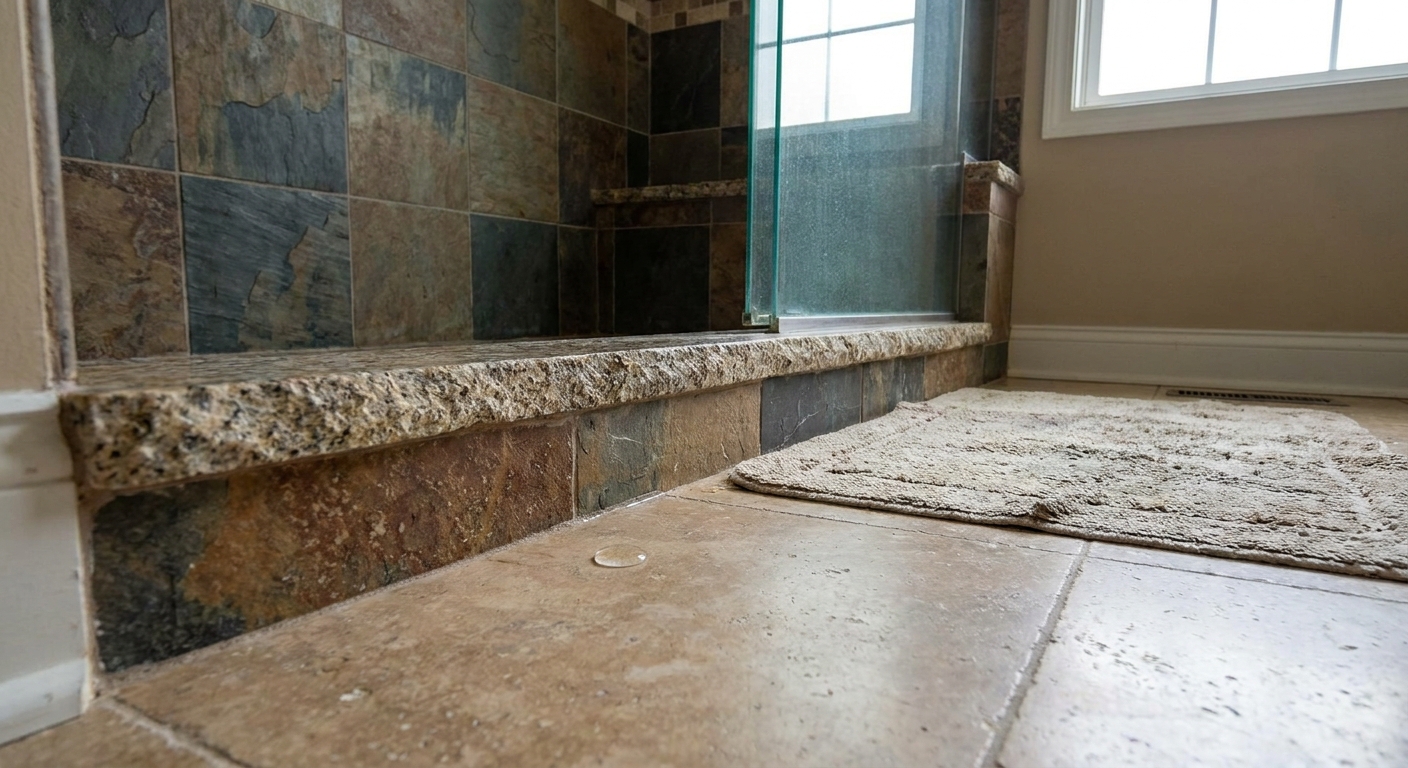
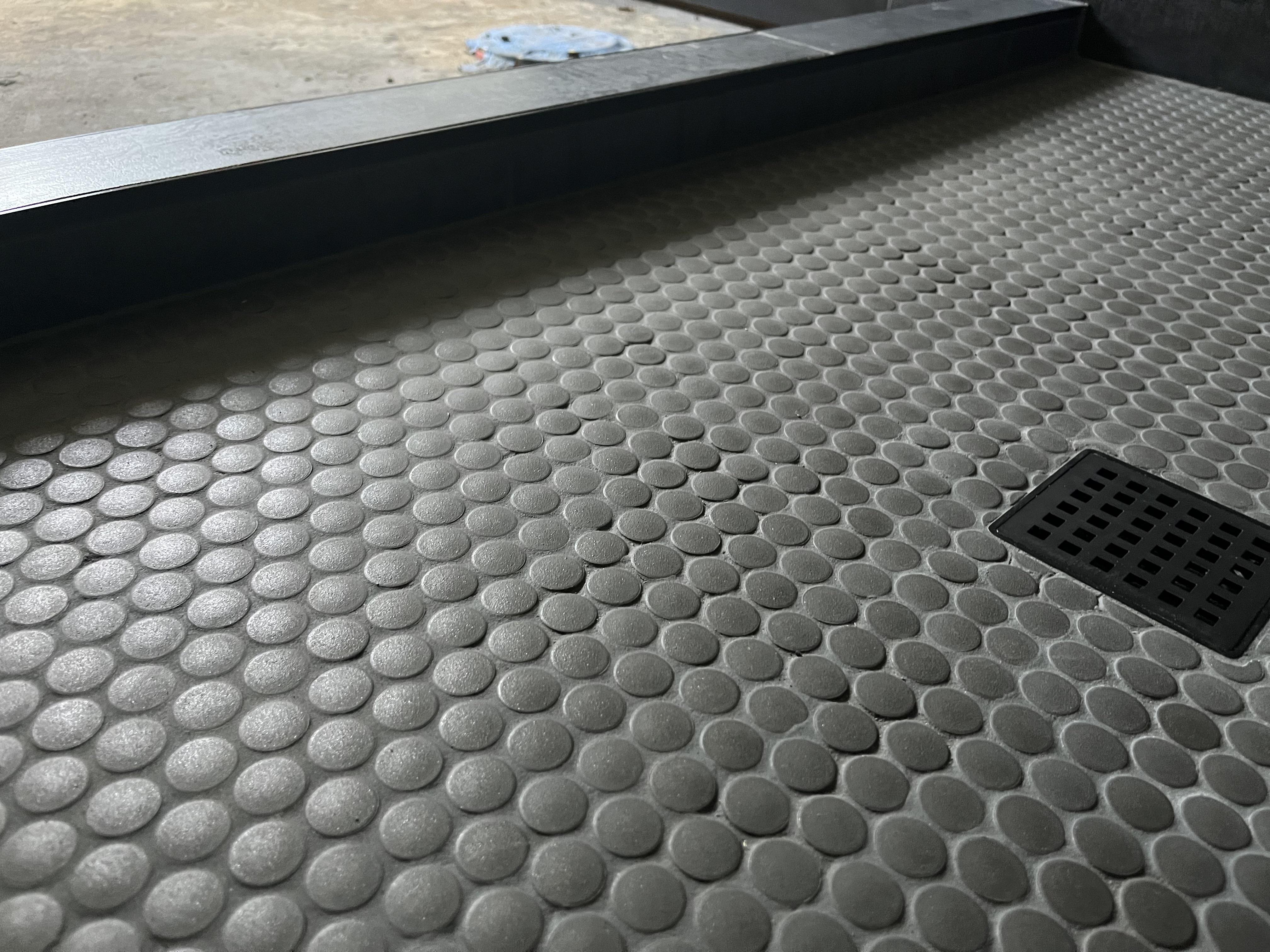
Shower floors are small, high-wear, constantly wet, and often tiled with mosaics that create lots of grout lines. That combination is exactly where epoxy shines.
- Less absorption means fewer permanently dark joints
- Better stain resistance against shampoo, body wash, and hard water residue
- Great for white or very light grout colors
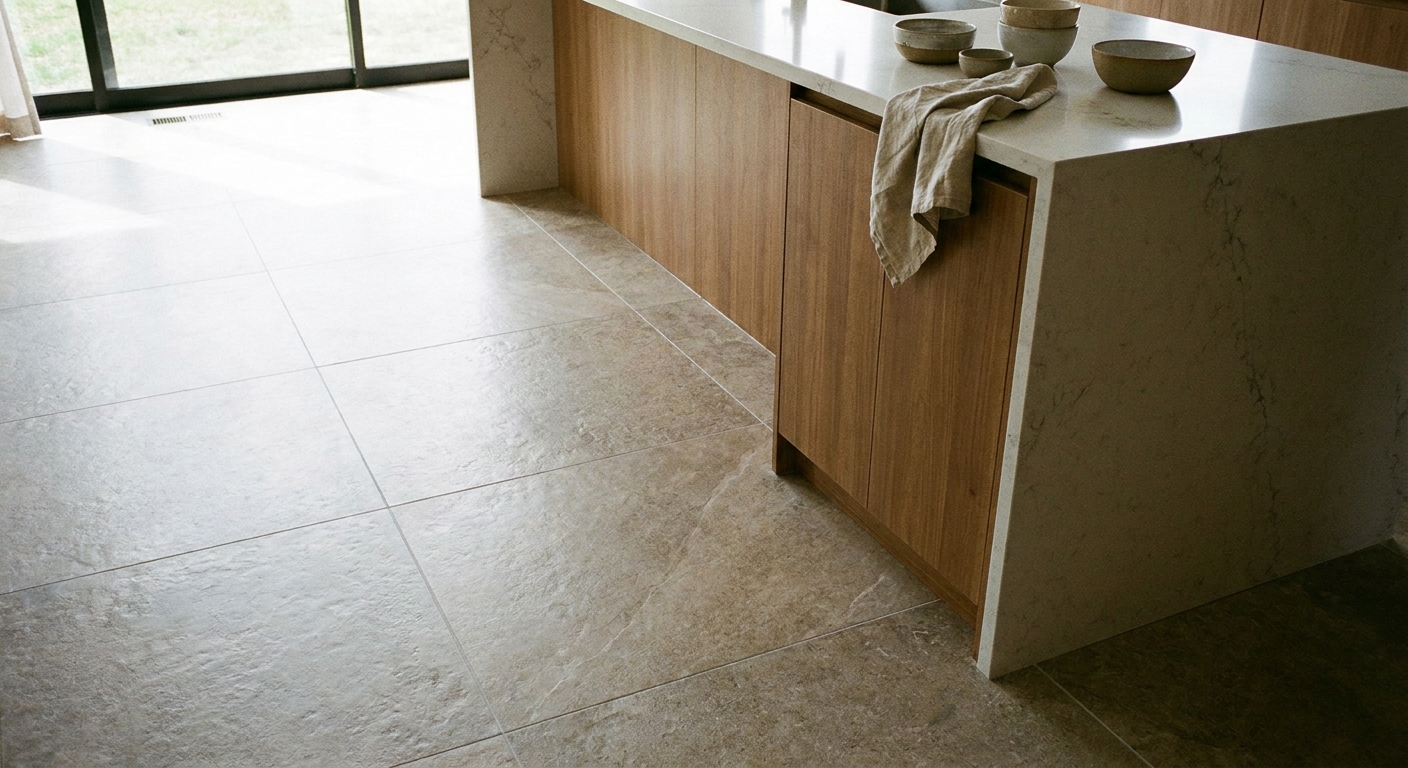
2) Kitchen floors in busy homes
If your kitchen is where life happens, epoxy grout can keep grout lines looking “new” far longer.
- More resistant to food and grease staining
- Less likely to discolor near the sink, stove, or trash pull-out area
3) Light grout with contrasty tile
High-contrast grout shows everything. Epoxy helps you keep that clean, graphic look without feeling like you have to scrub the floor with a toothbrush every month.
4) When cleaner choice matters
Epoxy grout is generally more chemical-resistant than cement grout, which is one reason people like it in kitchens and showers. Cement grout can be damaged by acidic cleaners and harsh descalers, and it can etch or weaken over time if you clean the wrong way. That said, harsh abrasives can still dull some tile finishes, so always match the cleaner and scrub pad to the tile, not just the grout.
Where cement grout wins
1) Large wall runs
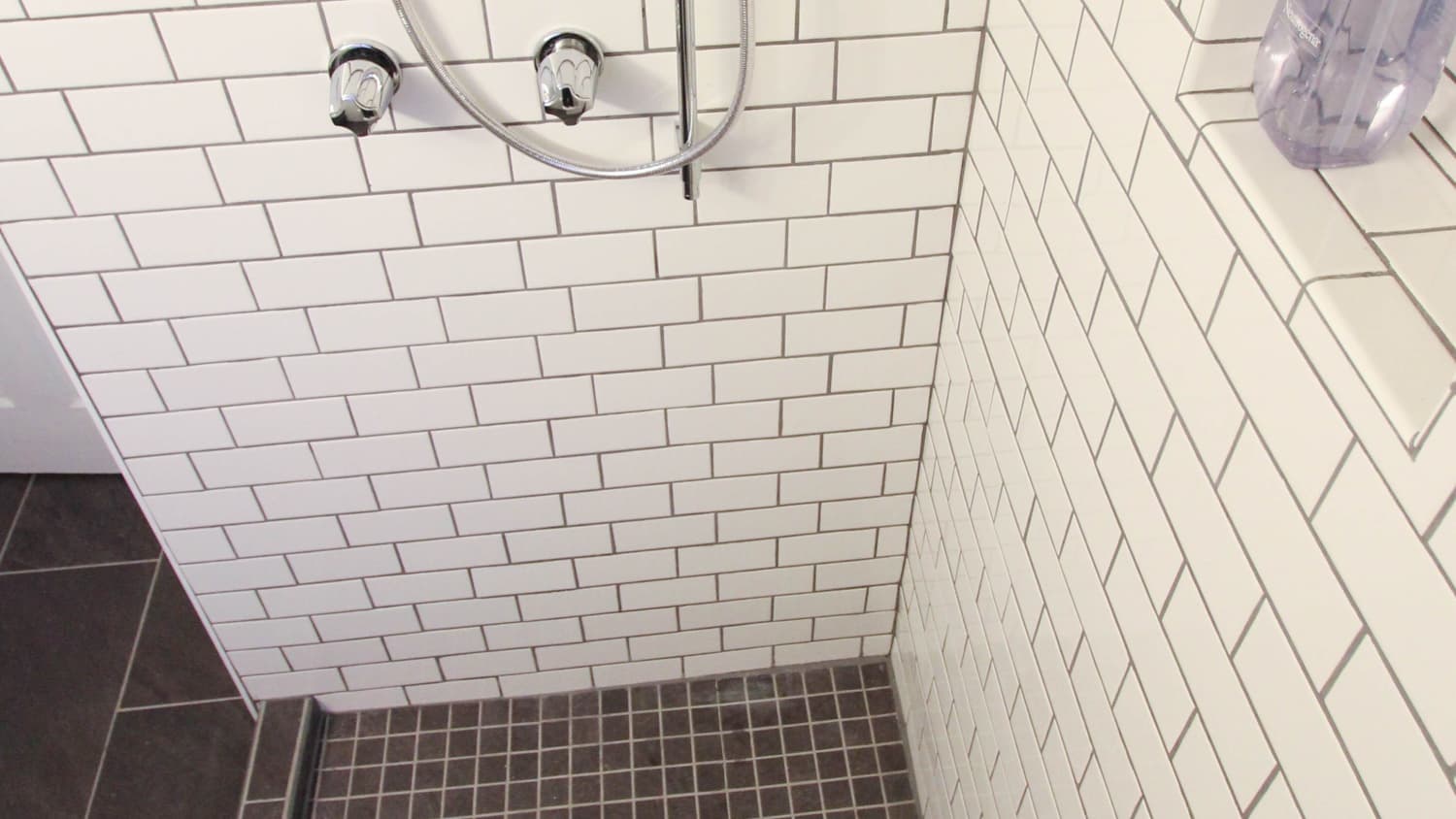
Big shower walls, tub surrounds, and backsplash walls are usually where cement grout makes sense, especially if you are using a medium or darker grout color. It is faster to install, easier to touch up later, and generally less expensive.
2) Easier repairs later
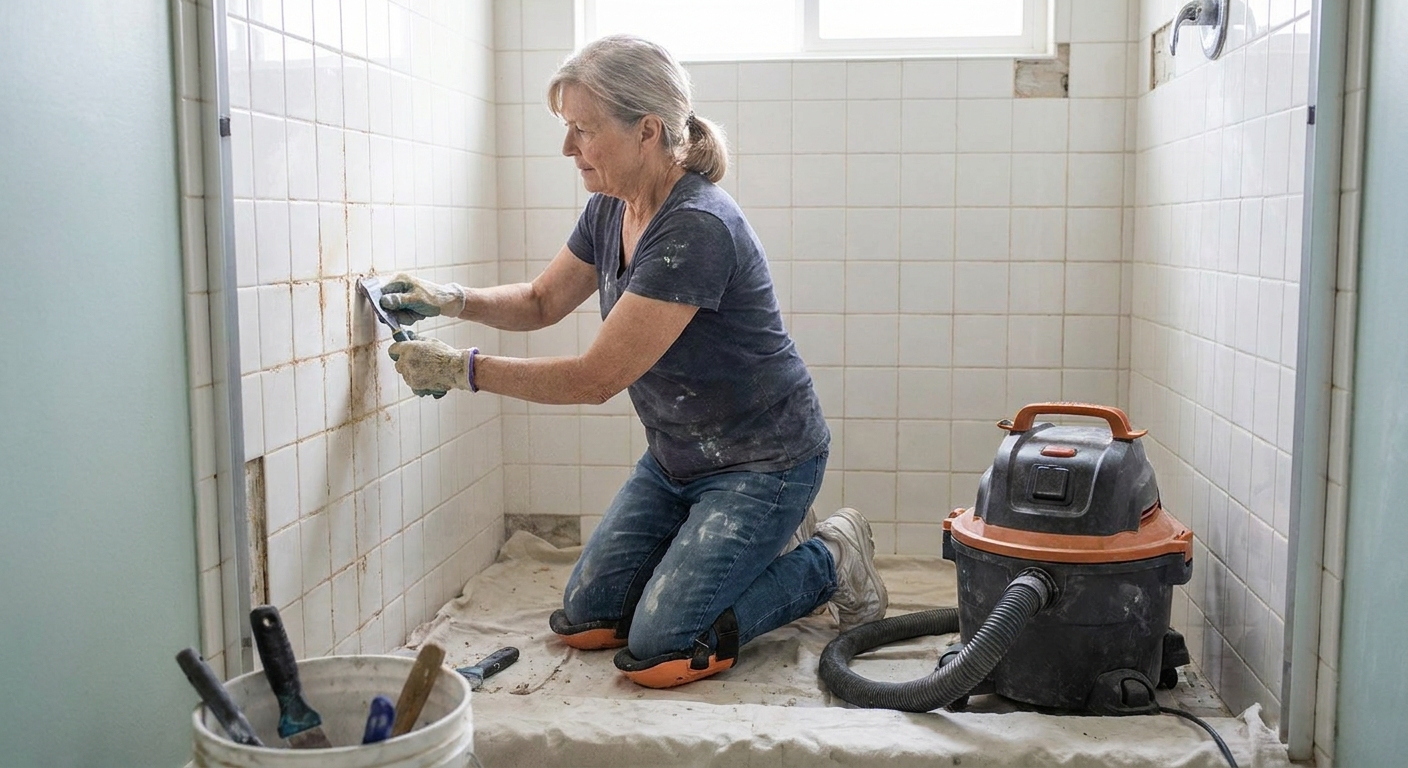
Epoxy is durable, but if you ever need to remove and regrout a section, epoxy can be more stubborn. Cement grout is usually simpler for targeted future repairs.
3) Budget priorities elsewhere
If you are choosing between epoxy grout and a better waterproofing system, better drain, better tile underlayment, or a better installer, spend the money on the fundamentals first. Grout cannot compensate for a shower that was built wrong.
If you are building a steam shower or dealing with a tricky setup, this is also where I lean heavily on manufacturer instructions and tile industry details for movement joints and assemblies. The grout is not the place to freestyle.
Joint width rules
This is the compatibility piece that trips people up: grout type is partly dictated by joint width, and joint width is partly dictated by tile type and edge quality.
Typical joint width guidelines
- Unsanded cement grout: commonly used for narrow joints, often 1/16 inch to 1/8 inch.
- Sanded cement grout: commonly used for wider joints, often 1/8 inch to 1/2 inch.
- Epoxy grout: many epoxy products work across a broad range, often from very tight joints up through wider joints, but you must follow the manufacturer’s joint-width spec for the specific epoxy you buy.
One important note: joint-width limits can vary by product for cement grout too. Some “fine” sanded grouts can be used in tighter joints than old-school sanded grout, and some unsanded products top out at 1/8 inch. Always confirm on the bag or data sheet.
Picking joint width for your tile
- Rectified porcelain (very crisp edges): commonly installed at 1/16 inch to 1/8 inch, depending on flatness and layout.
- Handmade-look tile or uneven edges: often needs 1/8 inch to 3/16 inch or more to look intentional and to avoid lippage issues.
- Mosaic sheets: typically land around 1/16 inch to 1/8 inch, but sheet alignment can vary, so grout that cleans up well matters.
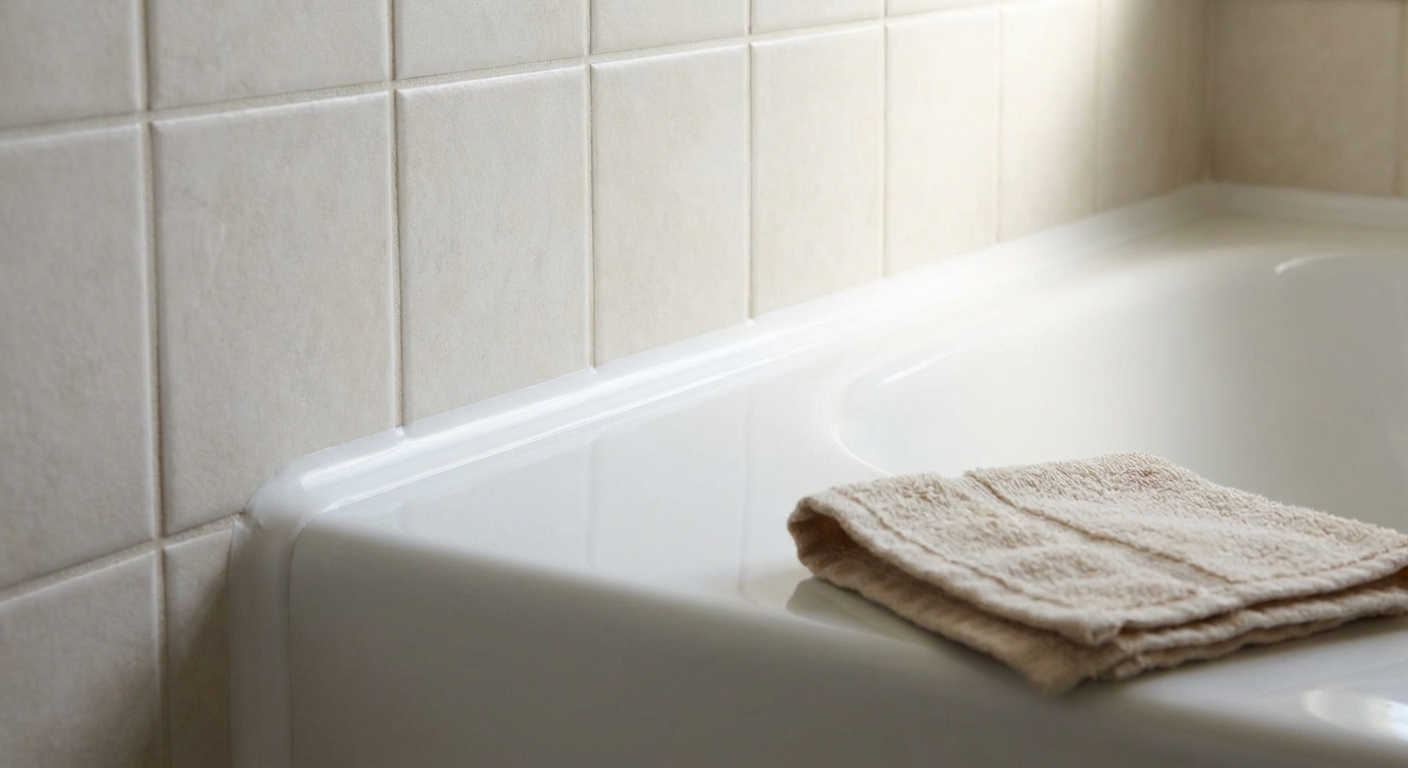
Important: Joint width also affects movement accommodation. Per industry standards, you still need proper movement joints at changes of plane and at perimeters, and those are typically caulked with a matching sealant rather than grouted. That is true for epoxy and cement grout.
My decision shortcut
- If it’s a shower floor: strongly consider epoxy, especially with light grout or lots of grout lines.
- If it’s a kitchen floor: epoxy is a great upgrade in busy households, open-concept kitchens, and homes with kids and pets.
- If it’s a large shower wall: cement grout is usually fine and often preferable for speed and budget, unless you are going very light and want maximum stain resistance.
- If you hate maintenance: epoxy is the closest thing to low-maintenance grout, but you still have to keep tile surfaces clean. No grout is self-cleaning.
FAQ
Do I still need to seal epoxy grout?
Usually no for true two-part or three-part epoxy grout. Some “epoxy-like” or hybrid products have different requirements, so always confirm with the manufacturer instructions for the exact grout you bought.
Will epoxy grout prevent mold in my shower?
It helps by not absorbing water the way cement grout can, but mold and mildew can still grow on soap scum and residue on the surface. Good ventilation, regular cleaning, and a properly built shower matter more than any grout alone.
Can epoxy grout scratch tile?
Most epoxy grouts use fine fillers, but any grout can scratch some delicate surfaces. If you have polished stone or a tile known to be scratch-prone, test a small area or ask your tile supplier what they recommend.
Is cement grout bad for shower floors?
No. Cement grout is used on shower floors all the time. The question is how much maintenance you want and how light your grout color is. If you love bright white grout on a shower floor, epoxy often keeps you happier long-term.
What if my tile joints are 1/16 inch?
That joint size often points you toward unsanded cement grout or an epoxy grout rated for very tight joints. Do not force a sanded grout into joints that are too tight. It can be hard to pack properly and can leave a rough finish.
Bottom line
Epoxy grout earns its premium in the places that get the dirtiest and wettest, especially shower floors and hardworking kitchen floors, and anytime you are set on light grout. Cement grout remains a great choice for many walls and budget-conscious projects, and it is easier to install and repair.
If you are on the fence, consider a hybrid approach: epoxy on the shower floor and cement grout on the shower walls. That combo is one of my favorite “smart splurges” because it puts the money exactly where it performs.