A practical breakdown of wet rooms vs. standard bathrooms, including design tradeoffs, waterproofing and slope requirements, comfort tips, maintenance realit...
Bathrooms are hard on floors. Between splashes, steamy showers, wet bathmats, and the occasional overflow (it happens), you need a surface that can handle moisture without swelling, staining, or growing mystery funk at the edges.
As a former kitchen and bath designer, I’ll tell you the truth: “water-resistant” and “waterproof” are not the same thing. And the difference shows up months later, usually right when you are feeling proud of your remodel.
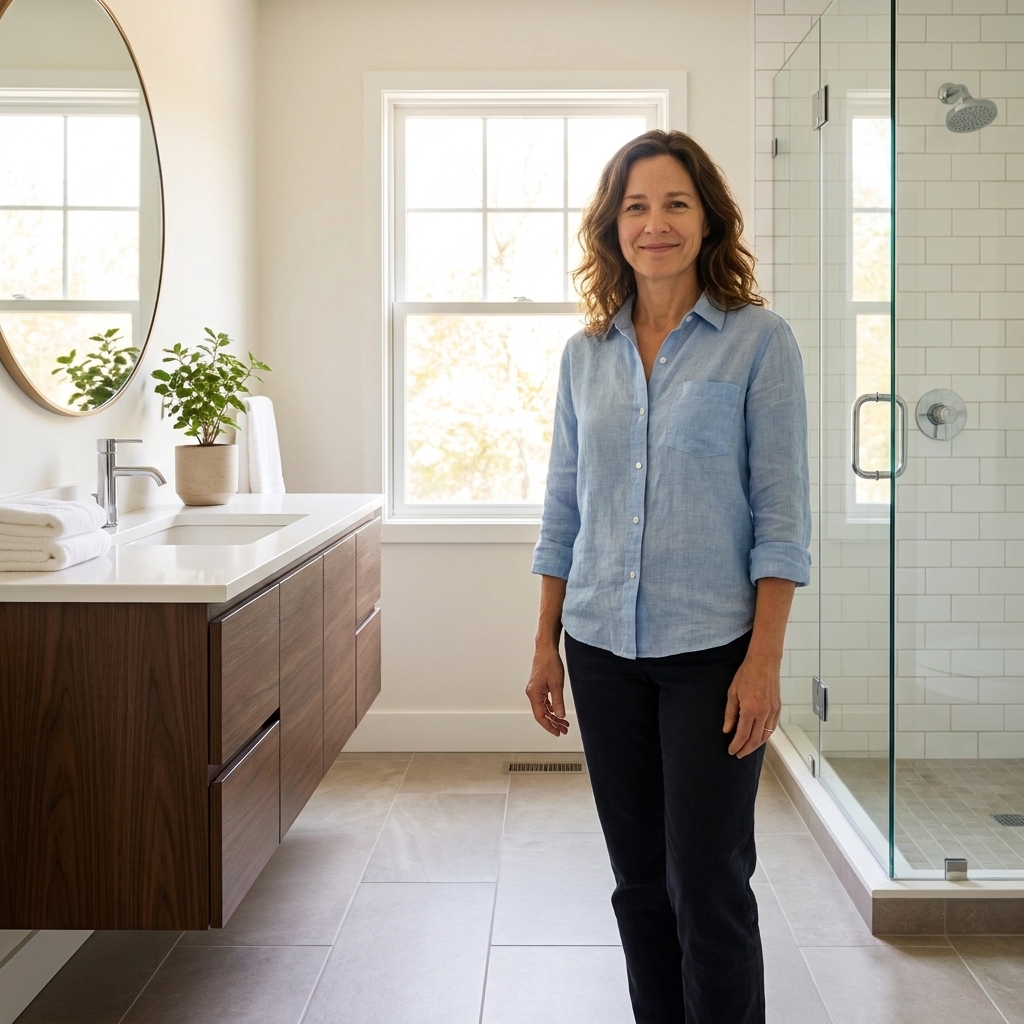
Below are seven bathroom-friendly flooring materials that can handle real water, what they typically cost to install, and the practical pros and cons you actually live with.
What “waterproof” means
A quick reality check before we shop:
- Waterproof (or highly water-resistant) material: The surface itself does not swell, delaminate, or meaningfully absorb water under normal bathroom use. This is where porcelain tile, sheet vinyl, and many vinyl cores shine.
- Waterproof floor system: Seams, edges, transitions, and subfloor prep are done correctly so water cannot sneak underneath and sit where it does damage. In wet rooms and curbless showers, this also includes the waterproofing membrane, drain details, and slope.
Even the best material can fail if water gets trapped below it. Your installer’s prep matters as much as your product choice, especially around toilets, tubs, and shower entries.
Cost snapshot
These are typical installed price ranges in the U.S. for a standard bathroom floor. Your region, the material grade you choose, subfloor repairs or leveling, and layout complexity can push pricing up or down.
- Luxury vinyl plank (LVP): $6 to $14 per sq ft installed
- Luxury vinyl tile (LVT): $6 to $15 per sq ft installed
- Sheet vinyl: $4 to $10 per sq ft installed
- Porcelain tile: $12 to $30+ per sq ft installed
- Ceramic tile: $10 to $25 per sq ft installed
- Natural stone tile (sealed): $18 to $45+ per sq ft installed
- Engineered hardwood (bath-rated): $12 to $25 per sq ft installed
Designer note: If your bathroom is tiny, expect a higher price per square foot. Small rooms have lots of cuts, lots of detail work, and still require the same setup and cleanup time.
1) Porcelain tile
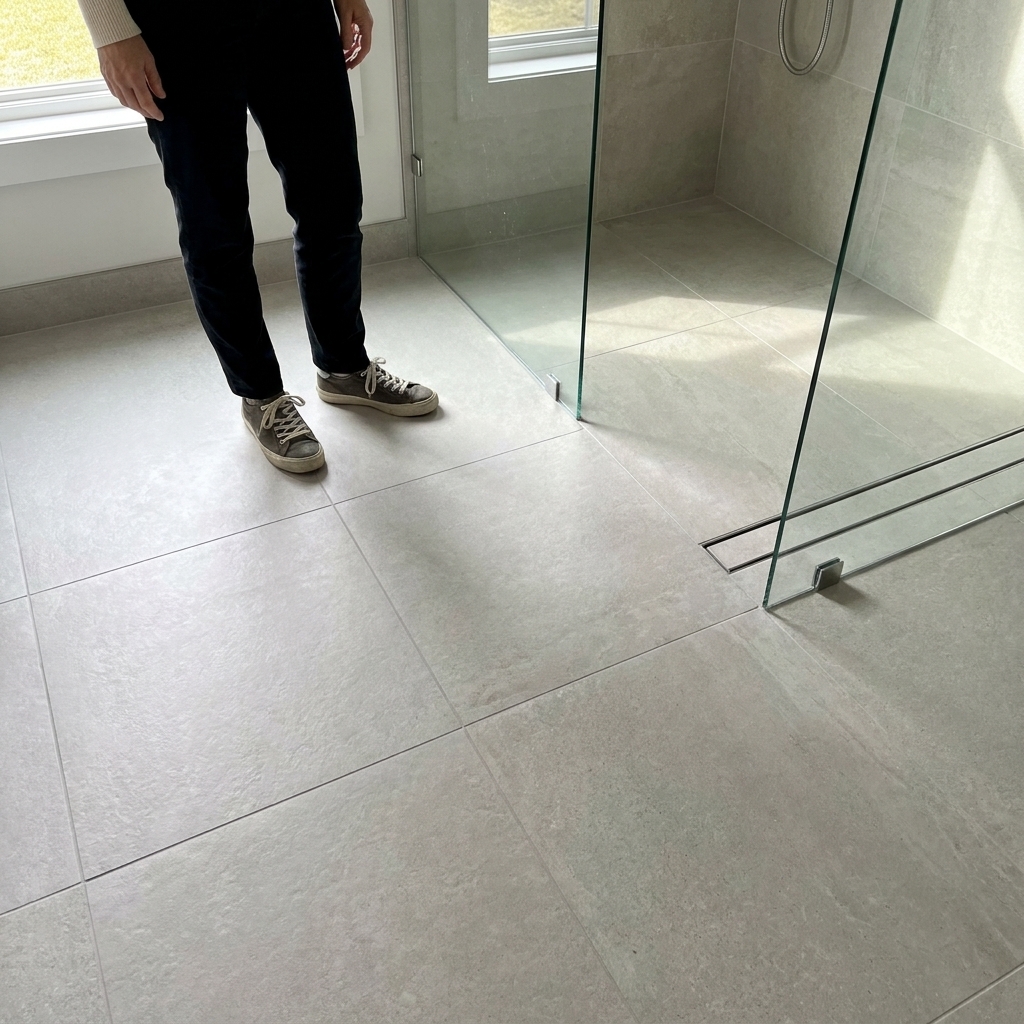
If you want one of the best-performing bathroom floor surfaces, porcelain is at the top of the list. Porcelain is fired hotter than ceramic, making it denser and less porous, which is exactly what you want in a wet, steamy room.
Typical installed cost
$12 to $30+ per sq ft installed
Why homeowners love it
- Excellent moisture resistance: Porcelain handles splashes and steam without drama.
- Design range is huge: Concrete look, marble look, terrazzo look, you name it.
- Compatible with radiant heat: Great for chilly climates and early mornings.
Watch-outs
- Cold and hard underfoot unless you add heat or plush mats.
- Grout is the weak link: Cement-based grout is porous. Sealers can help with staining, but they do not “waterproof” a floor.
- Subfloor prep matters: A bouncy floor leads to cracked grout or tile.
My install tip: In bathrooms, I like smaller grout joints and high-performance grout. If your budget allows, epoxy grout is worth considering in high-splash zones because it is far more stain-resistant and less permeable than standard cement grout. It still does not replace waterproofing where waterproofing is required.
2) Ceramic tile
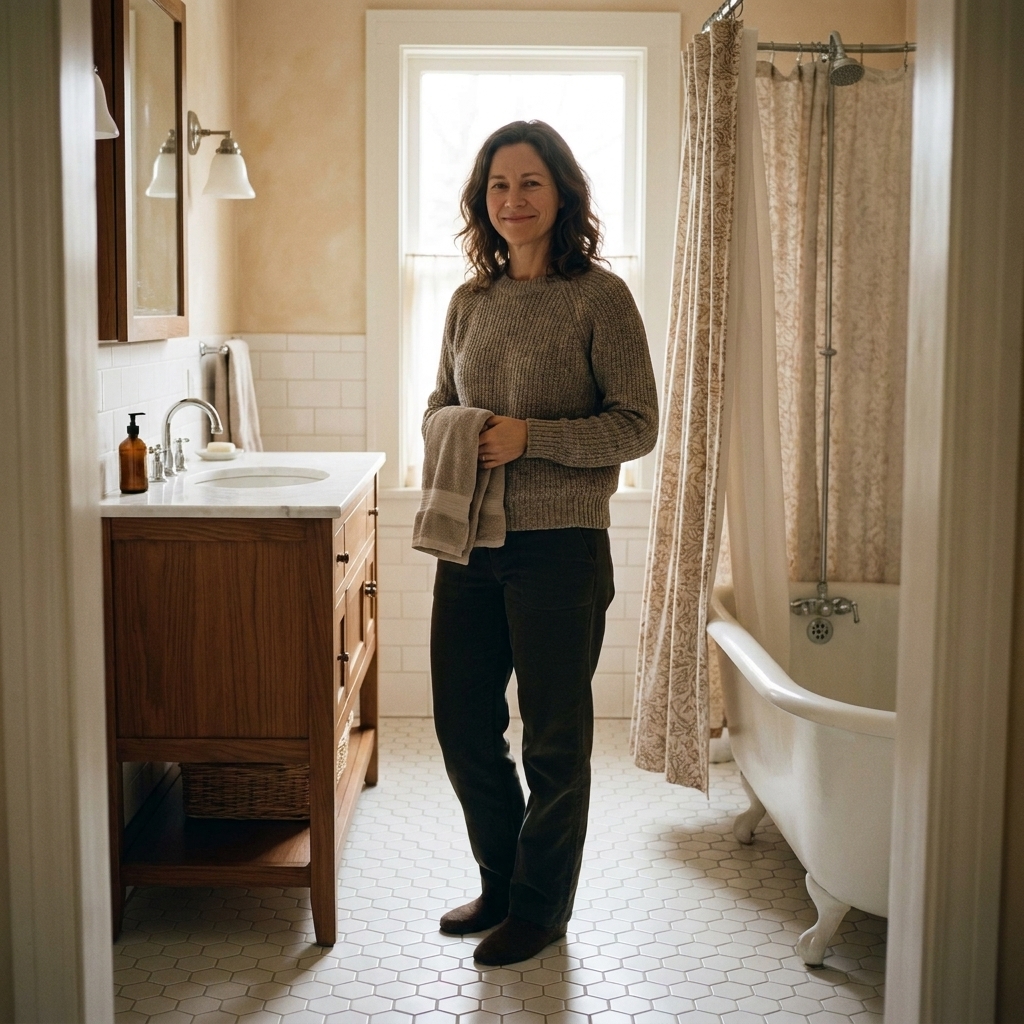
Ceramic is a close cousin to porcelain and a great choice for many bathrooms. It is generally more porous than porcelain, but the glazed surface holds up well to routine moisture when installed correctly.
Typical installed cost
$10 to $25 per sq ft installed
Why it works
- Water-safe surface: A quality glaze resists water and everyday messes.
- Classic options: Hex tile, subway patterns, mosaic borders.
- Good value: You can get a high-end look without the highest-end price tag.
Watch-outs
- Not all ceramic is created equal: Choose quality tile and an experienced setter.
- Slip resistance matters: Look for a floor tile rated for wet areas and check the manufacturer’s slip rating. In plain English: prioritize surfaces made for “wet DCOF” or similar testing, and lean matte or textured for better traction.
Where I use ceramic most: Powder rooms and kids’ baths where you want durability without paying porcelain pricing for every last square foot.
3) Luxury vinyl plank (LVP)
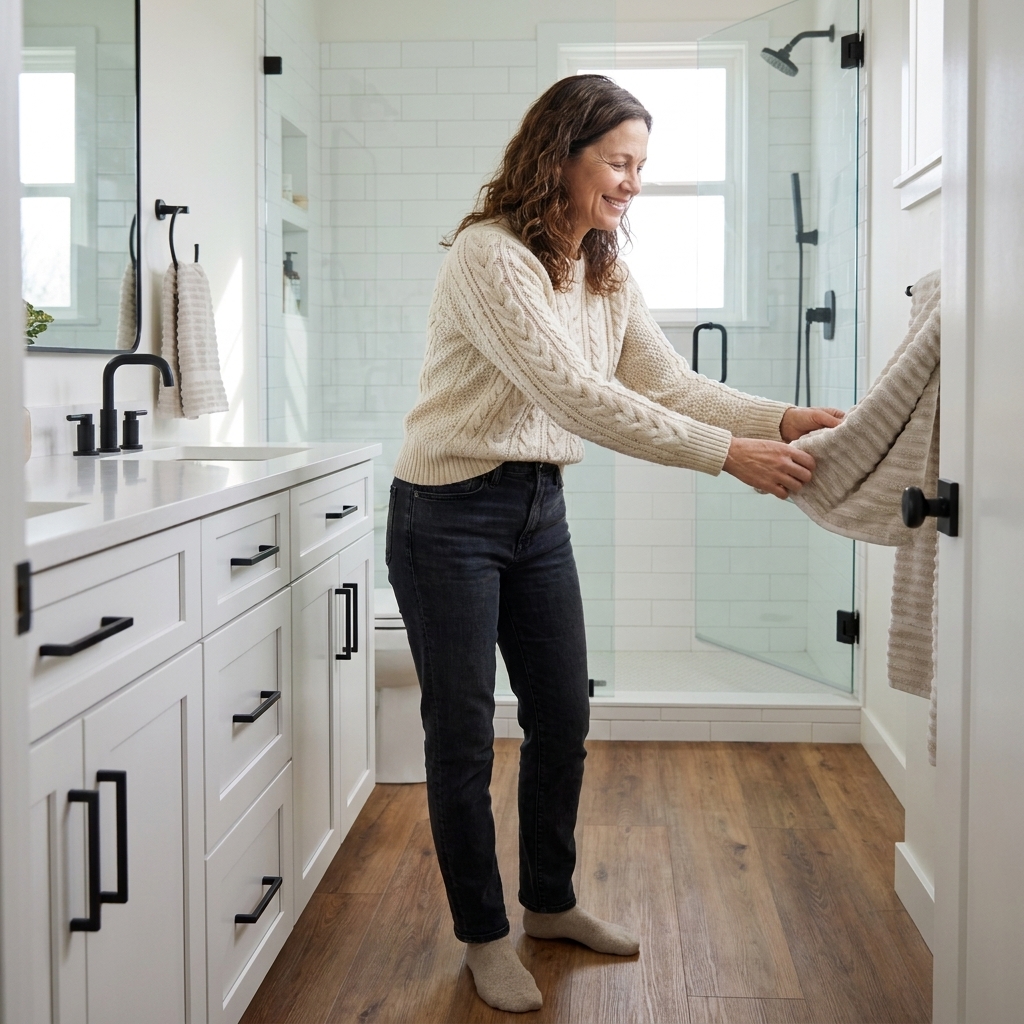
Modern LVP has come a long way. Many products have waterproof cores, are easy to clean, and feel warmer underfoot than tile. For busy households, this can be the sweet spot.
Typical installed cost
$6 to $14 per sq ft installed
Why it’s a favorite
- Moisture-tough core options: Many LVP lines are designed to tolerate water exposure without swelling.
- Comfort: Softer and quieter than tile.
- DIY-friendly (sometimes): Click-lock systems can reduce labor costs if the subfloor is very flat.
Watch-outs
- Seams and edges still matter: Even with a waterproof core, water can migrate through seams, around the toilet, or at the perimeter and sit on the subfloor if spills are ignored.
- Standing water limits are product-specific: Some warranties exclude long-duration standing water or flood events. Check the fine print, not just the label on the box.
- Subfloor must be flat: Vinyl telegraphs bumps, and click joints can separate over uneven spots.
- Quality varies: Wear layer thickness, locking system, and warranty language make a big difference.
My install tip: In a full bath, I like using a truly waterproof-core LVP with a tight locking profile, then pairing it with a clean, well-caulked perimeter and careful detailing around the toilet flange. A “waterproof plank” does not cancel out sloppy prep.
4) Luxury vinyl tile (LVT)
LVT gives you many of the same water-handling advantages as vinyl plank, but in tile formats. It is a great option when you want a stone or patterned look without the cold feel of tile or the ongoing grout maintenance.
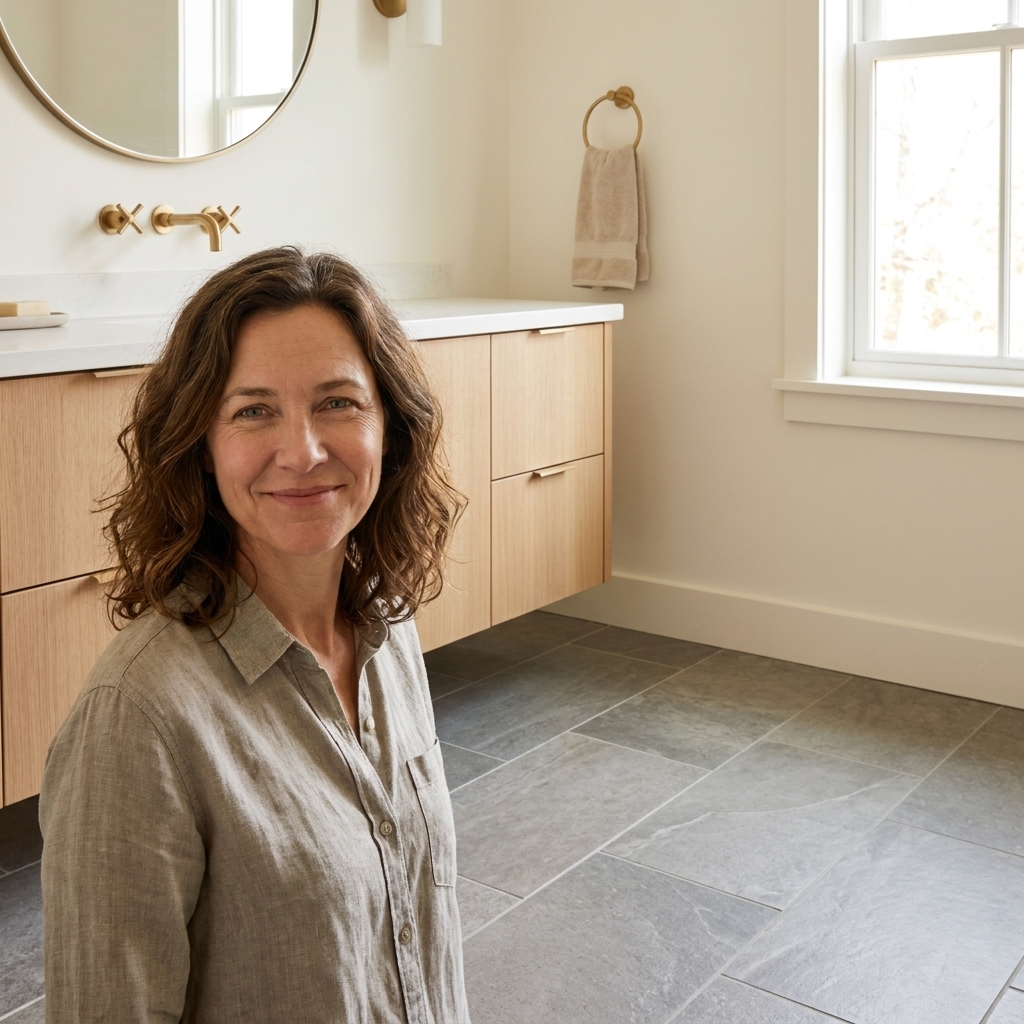
Typical installed cost
$6 to $15 per sq ft installed
Why it shines
- Looks like tile, behaves like vinyl: Comfortable, quieter, and generally forgiving.
- Easy maintenance: No sealing, no special cleaners.
- Great for remodels: Often thinner than tile assemblies, which can help at door transitions.
Watch-outs
- Some LVT still has seams: It is easier than grout-heavy tile, but it is not a single sheet. If your top goal is the fewest possible seams, sheet vinyl still wins.
- Adhesive choice matters: For glue-down LVT, the wrong adhesive or poor troweling can cause edges to lift over time.
- “Groutable” LVT exists: If you choose it, know you are reintroducing grout maintenance, even if it is a different grout type than tile.
5) Sheet vinyl
Sheet vinyl is the underdog that remodel pros respect. When installed well, it can be one of the most water-manageable bathroom floors because it has minimal seams for water to exploit.
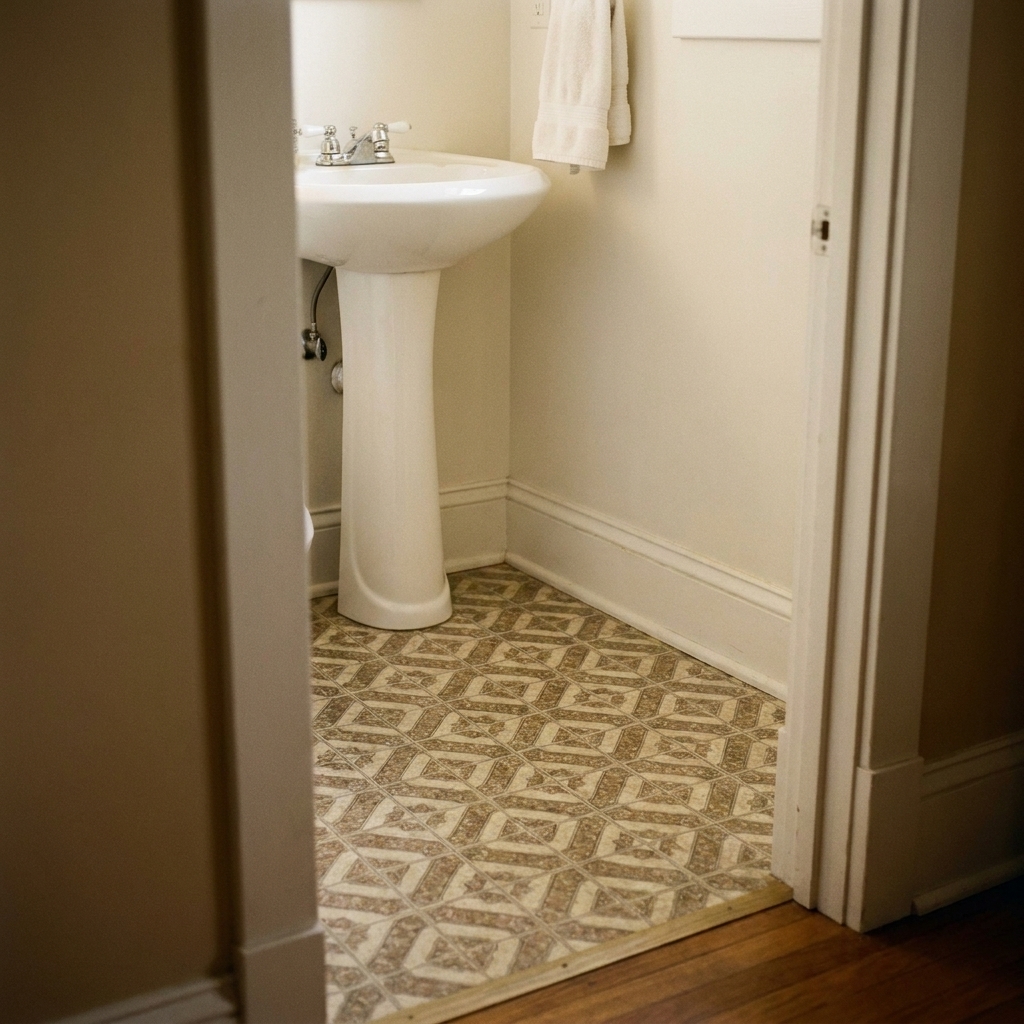
Typical installed cost
$4 to $10 per sq ft installed
Why it’s so practical
- Few seams, fewer failure points: Less opportunity for water to work its way to the subfloor.
- Budget-friendly: Great for rental properties and quick refreshes.
- Comfortable underfoot: Warmer than tile, slightly cushioned.
Watch-outs
- Installation quality is everything: Poor seam work, loose edges, or rushed adhesive prep will fail.
- Not as “high-end” in perception: Some buyers still associate sheet vinyl with older homes, even though new visuals are much better.
Where sheet vinyl is a smart call: Kids’ bathrooms, laundry-adjacent powder rooms, and any space where you expect splashes and want easy cleanup with the fewest seam-related headaches.
6) Natural stone tile (sealed)
Stone is gorgeous. It is also thirsty. Natural stone can perform beautifully on bathroom floors, but it is not “waterproof” in the way porcelain or vinyl is. Sealers mainly help with staining and slow absorption, and they require upkeep.
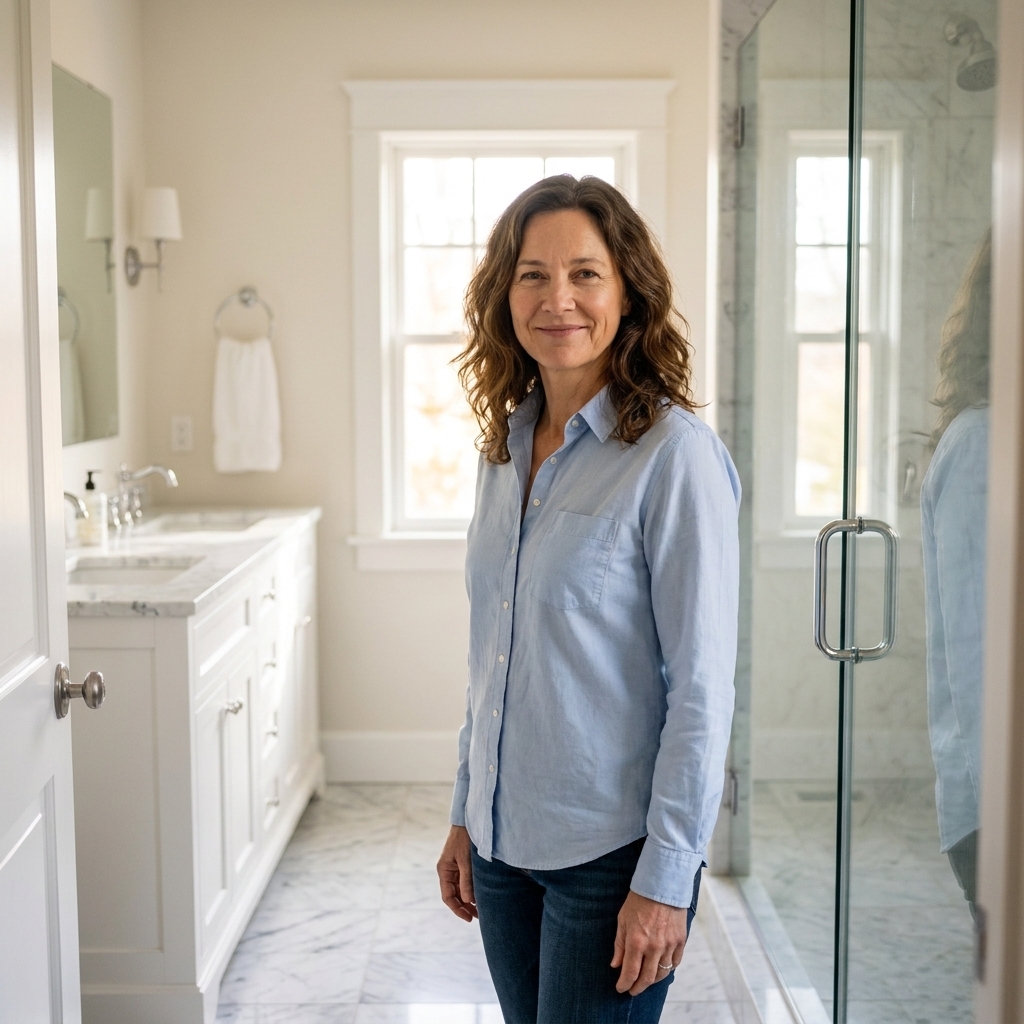
Typical installed cost
$18 to $45+ per sq ft installed
Why people splurge
- Unmatched natural variation: Real stone has depth that printed surfaces cannot fully copy.
- Timeless appeal: Especially in classic homes.
Watch-outs
- Sealing is maintenance, not magic: Many stones need periodic resealing, and some are more stain-prone than others.
- Etching is real: Marble can dull or etch with acidic products and certain toiletries.
- Slip risk: Polished stone can be slick when wet. Honed, brushed, or textured finishes are usually safer for floors.
My reality check: If you want stone but you do not want a maintenance relationship, choose porcelain that mimics stone. You will sleep better.
7) Engineered hardwood (bath-rated)
Yes, wood can be done in a bathroom, but it needs to be the right product and the right household. Engineered hardwood has a layered construction that is more dimensionally stable than solid wood, and some lines are specifically rated for bathrooms.
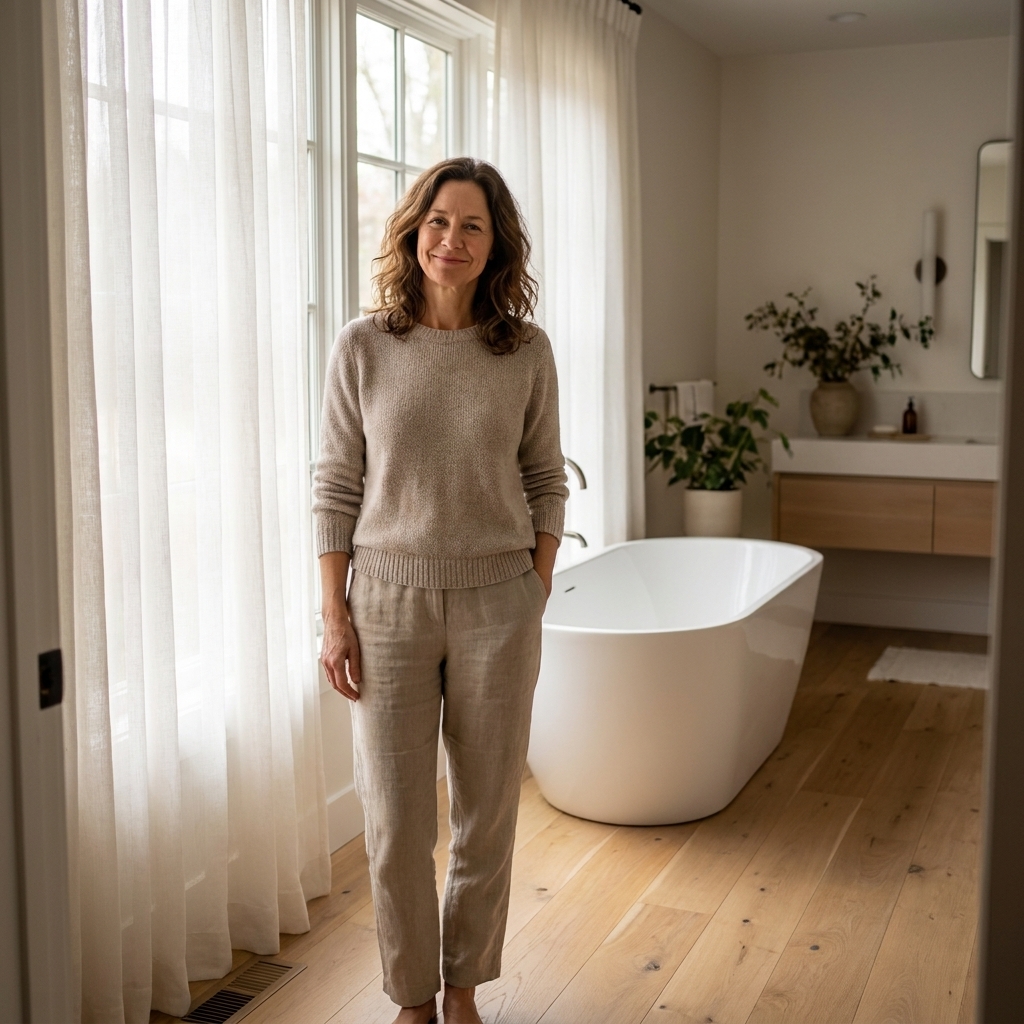
Typical installed cost
$12 to $25 per sq ft installed
Why it’s worth considering
- Warm, spa-like feel: It instantly softens a bathroom visually.
- More stable than solid wood: Better behavior with humidity swings.
- Great for adjacent suites: Helps create a seamless primary suite look from bedroom to bath.
Watch-outs
- Not friendly to puddles: It can handle humidity and minor splashes, but standing water needs to be wiped up fast.
- Warranty details matter: Many engineered floors are excluded from full baths. Look specifically for bath approval in writing.
- Installation must be precise: Expansion gaps, underlayment choice, and perimeter detailing all matter in a humid room.
My rule of thumb: If kids use the bathroom daily or the shower tends to drip and nobody notices, skip wood and choose porcelain or vinyl instead.
How to choose
If you are stuck between options, start here:
- Best for long-term durability: Porcelain tile (with the right underlayment and grout strategy)
- Best budget-friendly water management: Sheet vinyl
- Best comfort-to-performance balance: Quality LVP or LVT
- Best high-end classic look: Natural stone (if you are okay with maintenance)
- Best warm, seamless suite style: Bath-rated engineered hardwood (with realistic expectations)
Also consider your bathroom type:
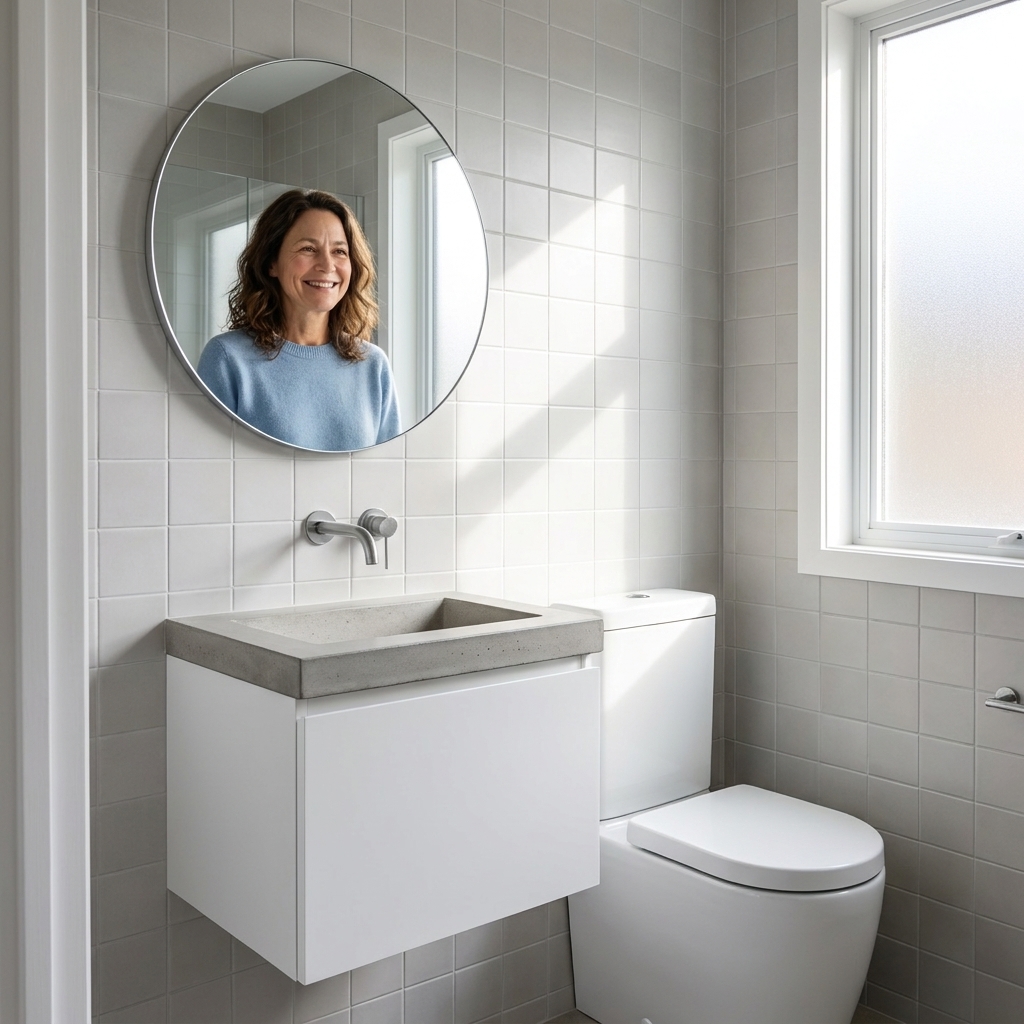
- Powder room: Almost any of the options above can work because water exposure is limited.
- Full bath: Prioritize materials that tolerate frequent splashes and humidity, and pay attention to seams, toilets, and transitions.
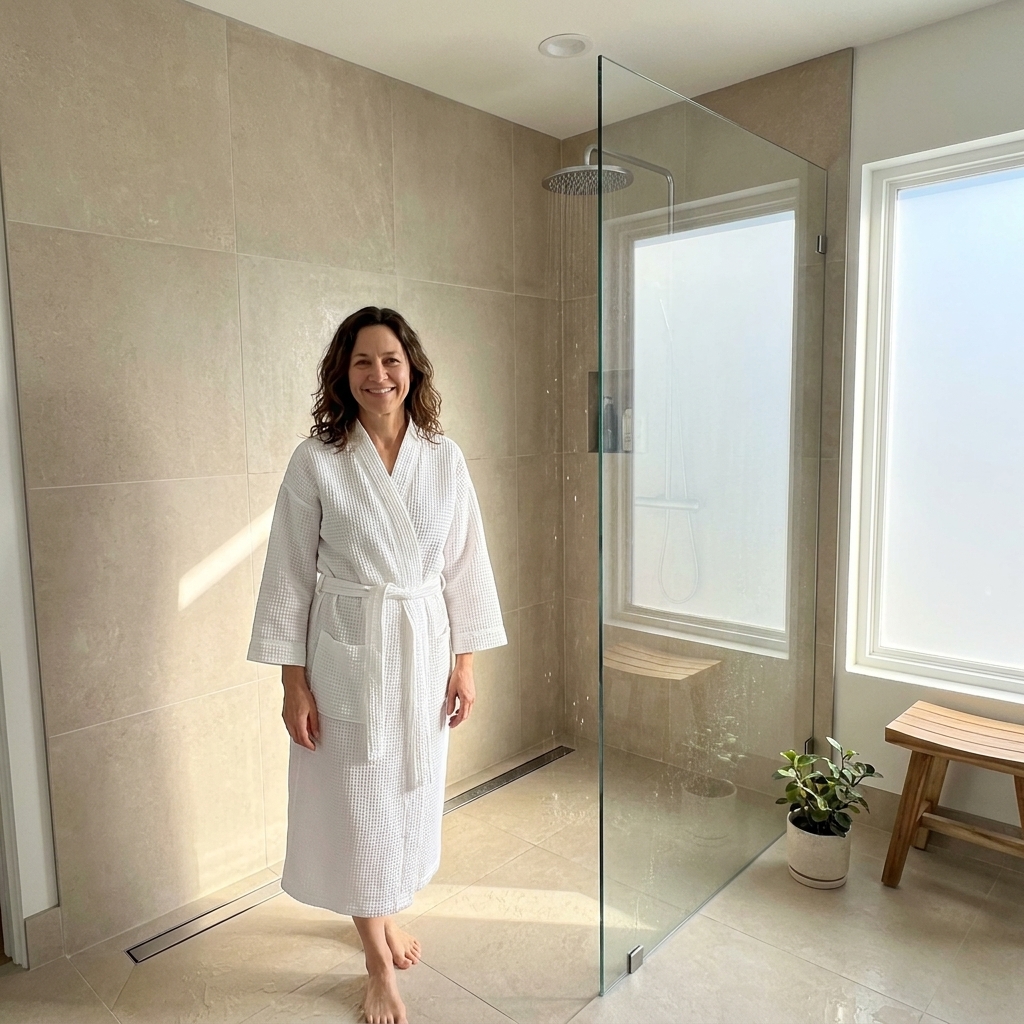
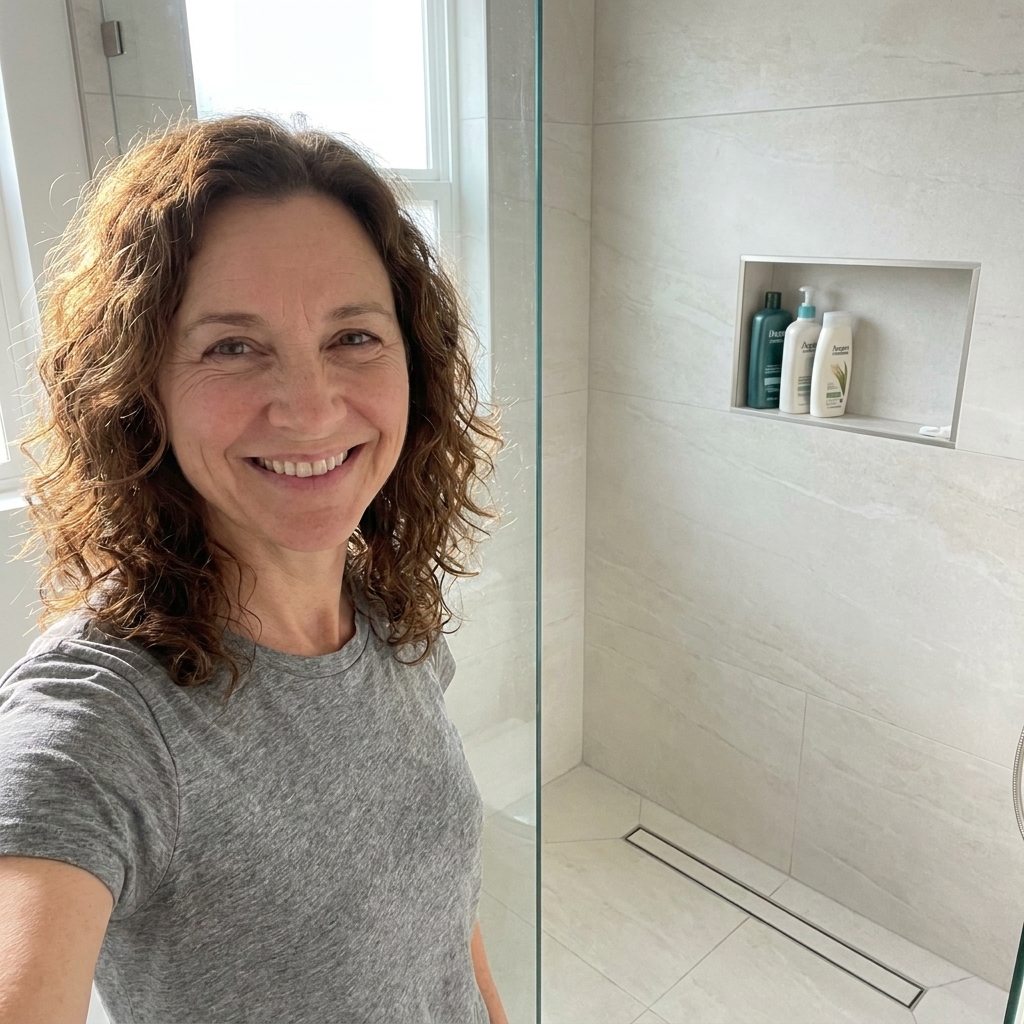
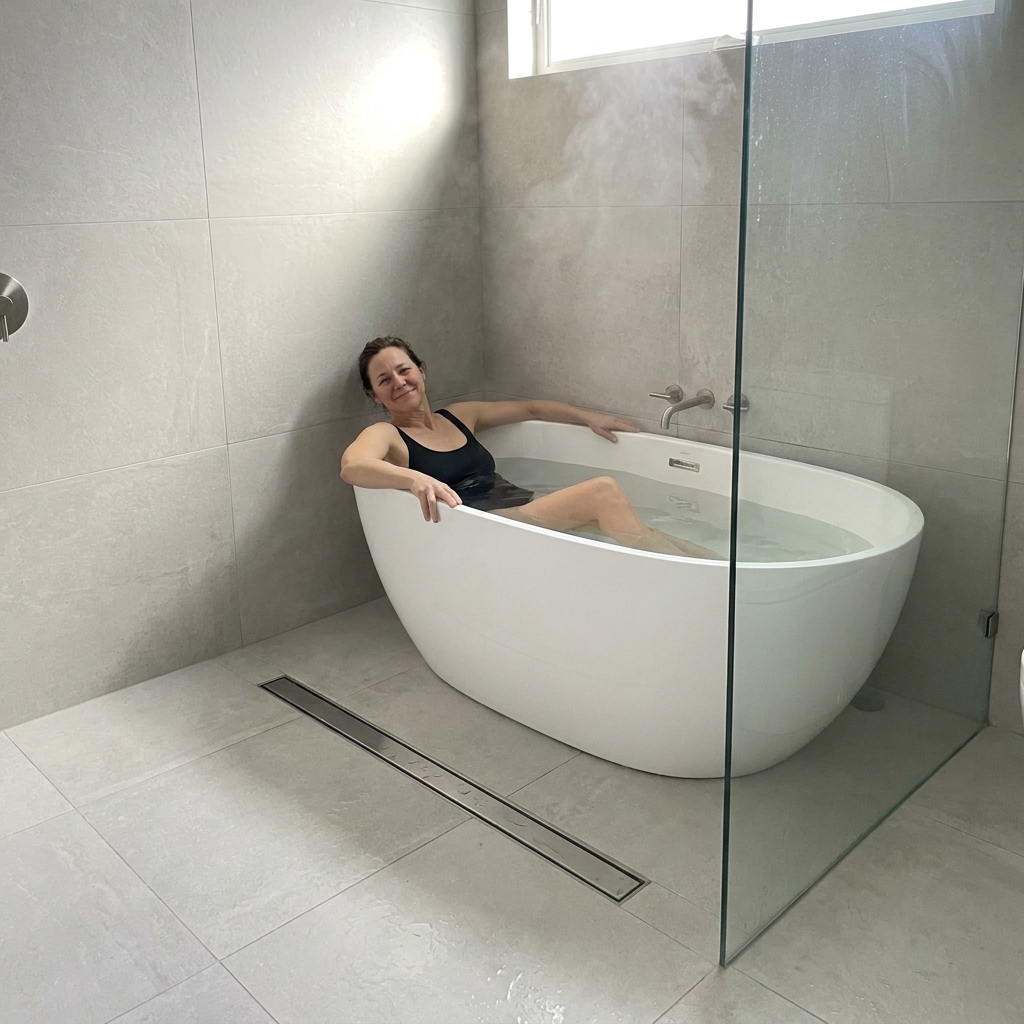
- Wet room: A bathroom where the shower is open and the whole room is designed to get wet. This is where tile plus a properly waterproofed and sloped substrate is usually the appropriate solution.
Install details
I have seen “great materials” fail because of small, avoidable mistakes. Here are the big ones:
Flatness and stiffness
Vinyl wants flat. Tile wants stiff. If the subfloor flexes, tile and grout crack. If the subfloor has humps and dips, vinyl joints separate or telegraph imperfections.
Waterproofing where it counts
Tile is not the waterproofing. The waterproofing is in the system below, especially in wet rooms, curbless showers, and shower-adjacent floors. Outside the shower, clean perimeter sealing, correct transitions, and a properly installed toilet flange help prevent slow leaks that quietly wreck subfloors.
Transitions and doorways
Bathrooms are usually small but complicated. A clean transition at the door keeps water in the bathroom and prevents trip hazards.
Contractor-level tip: If you have any history of toilet leaks, budget for a wax ring replacement or a waxless gasket during the remodel. Floors often get blamed for what is really a flange or seal problem.
What to avoid
- Solid hardwood in full baths: Too sensitive to moisture and swelling.
- Standard laminate: Even “water-resistant” versions can swell at seams in real bathroom life.
- Carpet: It traps moisture and odors, and it is a long-term hygiene battle.
- Unsealed concrete: Concrete can wick moisture and stain. It can work, but it needs the right prep and a suitable sealer.
FAQ
Is vinyl flooring really waterproof for bathrooms?
Many quality LVP and LVT products have waterproof cores, but water can still work its way through seams and edges if spills sit. For the most seam-minimizing vinyl option, sheet vinyl is hard to beat.
What is the best non-slip waterproof bathroom flooring?
Look for matte or textured porcelain tile with a slip rating intended for wet areas, and confirm the manufacturer’s slip test information (often listed as wet DCOF). Smaller-format tile can also help because grout lines add traction. With vinyl, choose textures designed for wet spaces and avoid super glossy finishes.
Is grout waterproof?
No. Cementitious grout is porous. Sealers help reduce staining, not waterproofing. Epoxy grout is more stain-resistant and less permeable, but even epoxy grout does not replace a proper waterproofing membrane in wet zones.
Can I use laminate in a bathroom?
Some “waterproof laminate” products exist, but I am cautious in full bathrooms because seams and edges are still the vulnerability. If you want a wood look with fewer risks, LVP is usually the safer pick. If your heart is set on real wood, choose a bathroom-rated engineered hardwood and commit to quick spill cleanup.
My bottom line
If you want the most bulletproof surface choice for a typical bathroom floor, porcelain tile is tough to beat, as long as the prep and waterproofing strategy match the space. If comfort and cost matter most, a high-quality LVP or sheet vinyl can absolutely perform in real-life bathrooms. And if you love the look of wood or stone, you can do it, just go in with eyes open about maintenance, warranties, and water habits.
When you are ready, pick your top two materials, then decide based on your household: who uses the bathroom, how wet it gets, and how much daily maintenance you are willing to do. That is the decision that lasts.