The biggest bathroom remodel budget surprises are usually behind the walls and under the tile. Here are 7 hidden costs to plan for before demo day.
I have seen it a hundred times: a “simple little bathroom refresh” turns into a budget mystery the minute you start picking tile, discovering plumbing quirks, and realizing your old fan sounds like a helicopter. The fix is not a bigger spreadsheet. It is a realistic budget built from real scope decisions, real quantities, and the labor that actually makes those materials work.
This guide walks you through pricing a powder room or small guest bath remodel step by step, with numbers you can plug in and sanity checks so you do not get surprised halfway through demo.
Pricing note: These are typical U.S. ranges as of 2025 to 2026. Local labor rates, permit requirements, and finish choices can push totals higher, especially in high-cost metros. Major structural repairs (like joist replacement) are not included in the “typical” ranges.
Step 1: Pick your remodel level
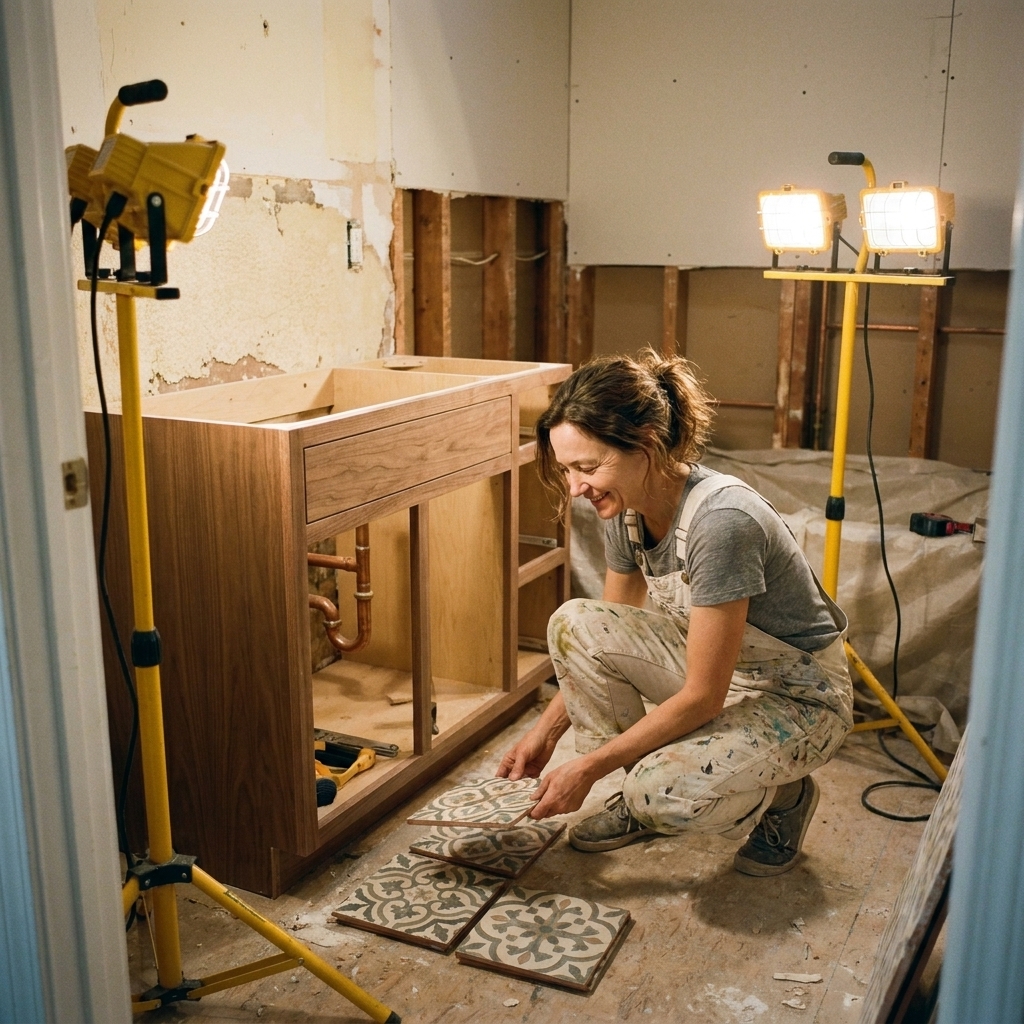
Before you price anything, decide what kind of remodel you are actually doing. Small bathrooms swing wildly in cost because the work does not scale down as much as people expect. Even in a tiny room, you still need multiple trades, multiple trips, and a lot of detail work.
Option A: Refresh
- Keep layout and plumbing where it is
- Replace vanity or pedestal sink, faucet, mirror, lights, toilet
- Paint, maybe new flooring
- No tile shower work (powder room friendly)
Typical budget range: $2,500 to $8,000 (DIY-heavy on the low end, pro labor and nicer finishes on the high end)
Option B: Replace
- Remove and replace flooring and wall finishes
- Replace vanity, toilet, lighting, fan
- Replace tub or shower in a guest bath
- Plumbing stays in roughly the same locations
Typical budget range: $8,000 to $20,000 and up
Option C: Reconfigure
- Any layout change
- Moving the toilet or shower valve, changing door location, stealing space from a closet
Typical budget range: $15,000 to $35,000 and up (often more in high-cost markets)
My rule: If you are moving plumbing, you are not doing a “small bathroom remodel” in budget terms. You are doing a “plumbing and construction project in a small room.” Plan accordingly.
Step 2: Measure and list replacements
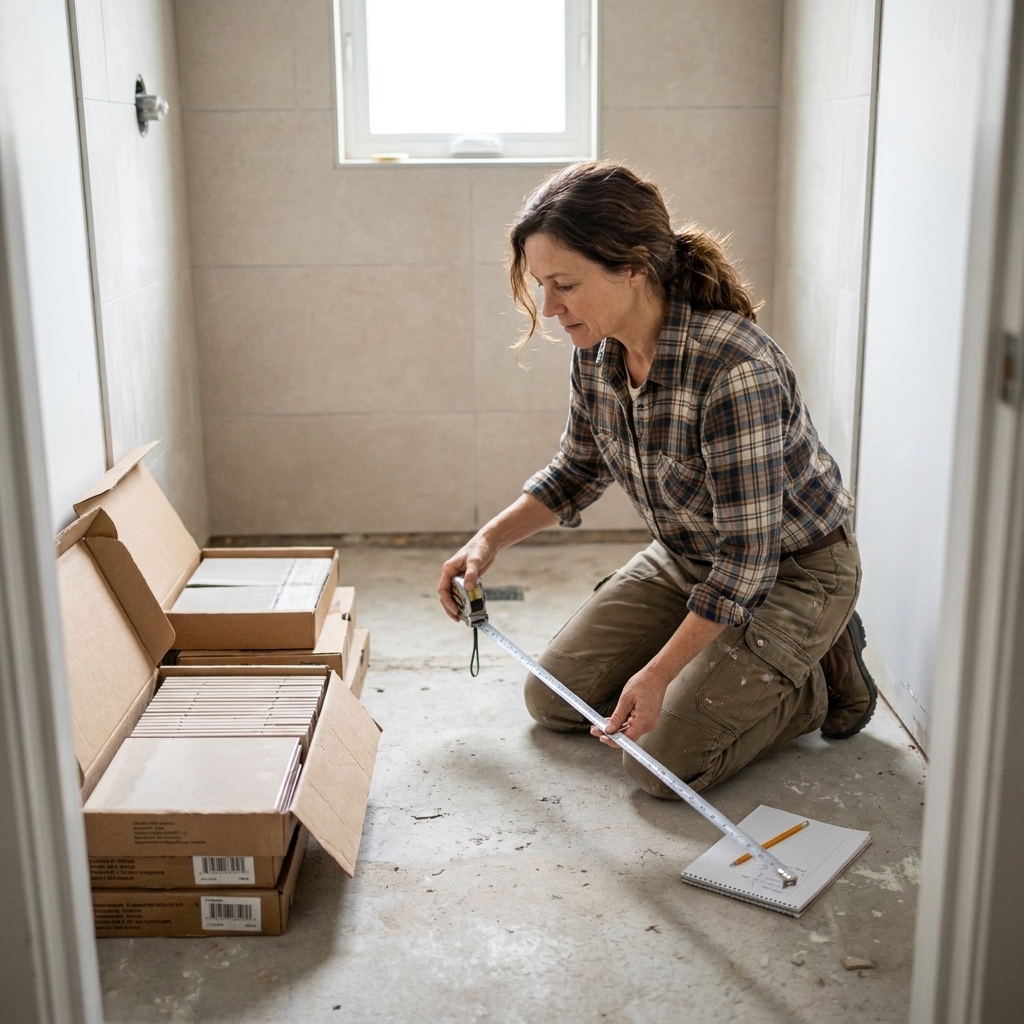
Your budget gets real when you turn ideas into quantities. Grab a tape measure and write down:
- Room size (length x width)
- Ceiling height (for paint and tile quantities)
- Flooring square footage (add 10% waste, 15% for diagonal patterns)
- Shower wall square footage if applicable
- Vanity width (24, 30, 36 inches are common)
- Number of plumbing fixtures (sink faucet, shower valve, tub spout, toilet)
- Lighting points (vanity light, ceiling light, shower light)
Then make a scope list in plain language. Example for a small guest bath:
- New 30-inch vanity with quartz top and undermount sink
- New widespread faucet
- Replace toilet
- Replace tub and tile surround to ceiling
- New shower valve and trim
- New floor tile
- New fan and vanity light
- Paint ceiling and remaining walls
- Replace baseboards and door hardware
Step 3: Price labor first
Materials are the fun part. Labor is the part that quietly eats the budget. In small bathrooms, labor often makes up 50% to 70% of the total because there is a lot of skilled work packed into a tight space.
Labor items to include
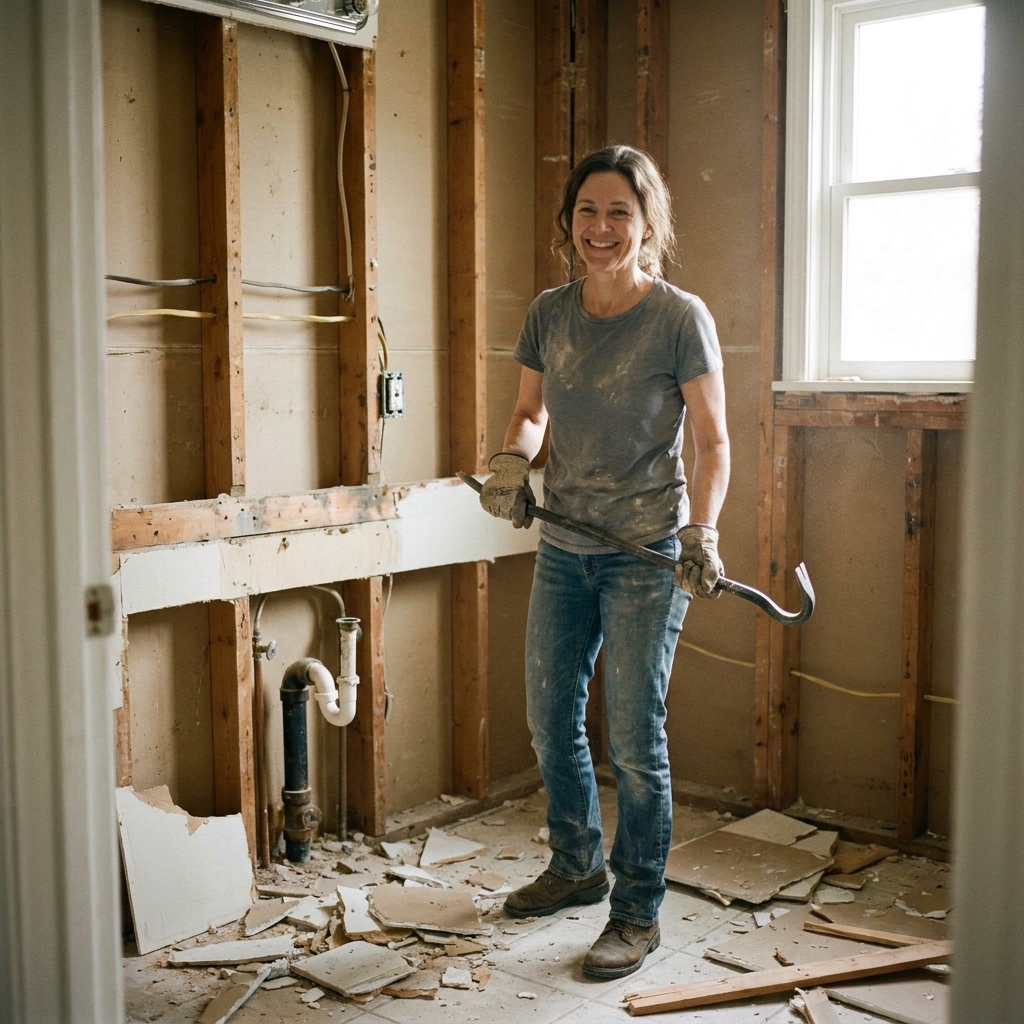
- Demo and haul-away (including dumpster or dump fees)
- Carpentry (subfloor repair, blocking, drywall, trim)
- Plumbing (rough-in changes, valves, supply lines, setting fixtures)
- Electrical (GFCI, lighting, fan venting, code upgrades)
- Tile labor (prep, waterproofing, installation, grout, caulk)
- Painting (especially if you want a crisp, wipeable finish)
- Permits and inspections (often pulled by the contractor)
- Project management and GC overhead if hiring a general contractor
What to do: Get at least two quotes when you can, but keep the scope identical. If one bid is missing waterproofing, permits, or haul-away, it will look cheaper and cost more later.
If you are DIYing: Use the same labor categories anyway. You will still pay for specialty subs (like plumbing or electrical), and your time has a cost, especially when a bathroom is out of commission.
Labor reality check
If you are gutting a guest bath with a tiled shower, expect labor alone to land in the $6,000 to $15,000 range in many markets, depending on tile complexity, access, and how much plumbing or electrical work is involved.
Step 4: Build a materials budget
Now the satisfying part: pricing the stuff you can see. Use categories so you do not forget the sneaky little items (the ones that destroy budgets by a thousand receipts).
1) Vanity, top, sink
- Vanity: $250 to $2,500 and up
- Top (cultured marble, quartz, solid surface): $200 to $1,500 and up
- Sink (if not included): $75 to $400
- Faucet: $80 to $500 and up
Elena tip: If you want your bathroom to feel expensive on a realistic budget, spend on a sturdier vanity (solid plywood box, soft-close, good hardware) and keep the countertop simple. A wobbly vanity will annoy you every single day.
2) Toilet
- Standard two-piece: $150 to $400
- Comfort height, skirted, or smart features: $400 to $1,500 and up
Also budget for a new wax ring, supply line, and shutoff valve if it is old.
3) Shower or tub
- New tub: $250 to $1,200 and up
- Shower base: $250 to $1,000 and up
- Shower valve and trim: $150 to $800 and up
- Glass door: $900 to $2,500 and up
- Waterproofing system: often included in labor, sometimes separate
Budget truth: Tile showers are gorgeous and cost more than most people expect. If your budget is tight, a high-quality fiberglass tub or shower unit can be a very smart guest bath choice.
4) Tile and stone
- Floor tile: $2 to $15 per square foot (material only)
- Shower wall tile: $3 to $30 and up per square foot
- Accent tile: $10 to $50 and up per square foot
- Setting materials (thinset, grout, caulk, leveling clips, sealer): $150 to $500 and up
Two places people underbudget: trims and edges (bullnose, Schluter profiles) and the extra boxes for waste, pattern matching, and future repairs.
5) Lighting, fan, electrical finishes
- Vanity light: $60 to $400 and up
- Mirror: $50 to $500 and up
- Bath fan: $100 to $350 and up
- Switches, dimmers, GFCI outlet, cover plates: $40 to $200
Code note: Many older baths may need GFCI updates, and some projects may trigger AFCI requirements. Local code and the scope of your work matter, so confirm with your electrician or permit office.
6) Paint, drywall, trim, accessories
- Moisture-resistant paint and primer: $60 to $200
- Drywall and compound (if patching): $50 to $250 and up
- Baseboard, casing, and caulk: $50 to $250 and up
- Towel bars, toilet paper holder, hooks: $40 to $250 and up
- Shower curtain rod or door sweep parts: $20 to $150
Step 5: Add forgotten costs
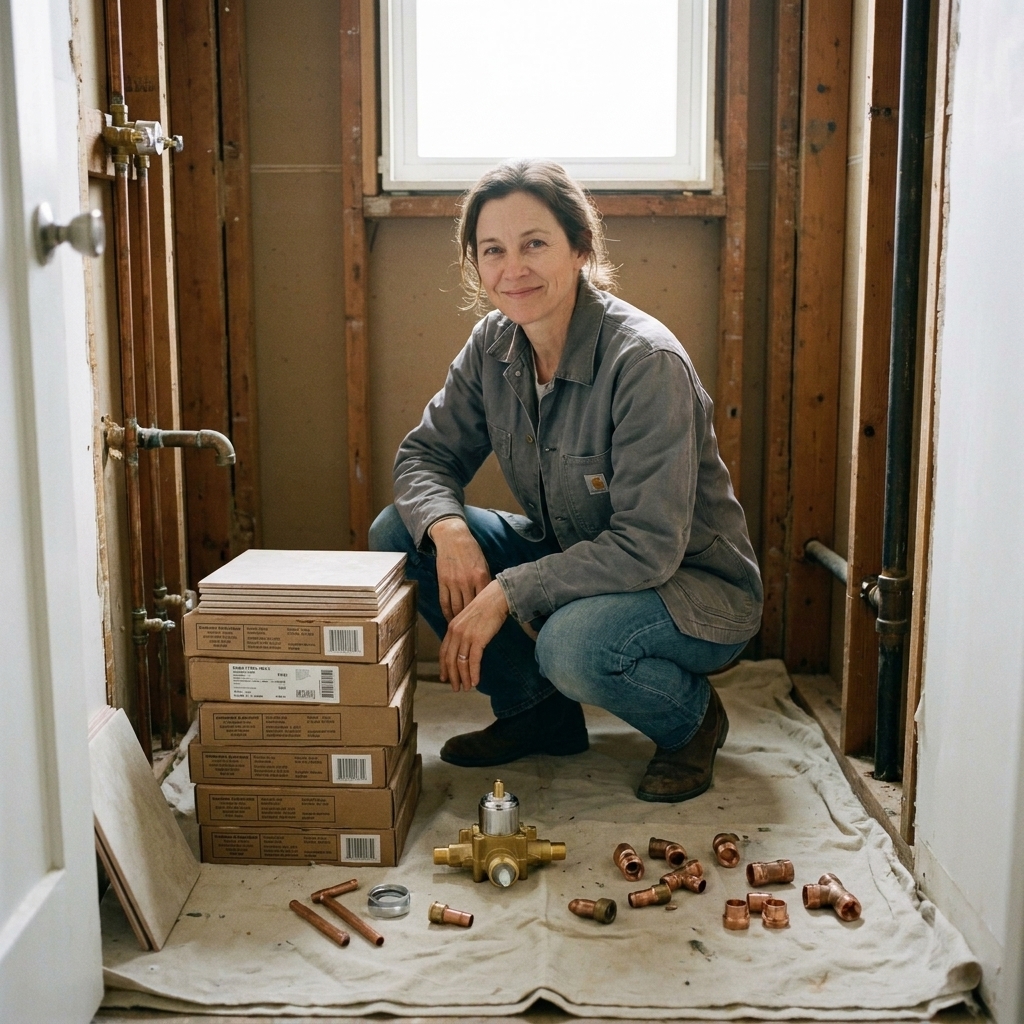
These line items are not exciting, but they are incredibly normal:
- Permits: $50 to $600 and up depending on scope and location
- Dump fees: $150 to $800 and up (or a dumpster rental)
- Delivery charges: especially for vanities, glass, tile
- Tool and consumable supplies: blades, sandpaper, screws, shims, drop cloths
- Asbestos or lead paint testing and abatement: if your home is older
- Subfloor or framing repair: rot happens, especially around toilets and tubs
- Temporary bathroom plan: if this is your only shower, factor in short-term workarounds
If you are hiring a GC, some of these will be rolled into overhead. If you are DIYing, they show up as a string of “quick trips” to the store.
Timeline costs
Schedule is a cost driver. Long lead times for vanities and shower glass can extend the project, and “rush” work (weekends, compressed schedules, expedited fabrication) often carries a premium. A small bath involves a lot of sequencing across trades, so build in buffer time as well as buffer money.
Step 6: Set a real contingency
In my project manager brain, contingency is not “extra money.” It is money assigned to real risks.
- Refresh: 10%
- Full gut, same layout: 15%
- Older home or any plumbing move: 20% to 25%
If you like a clear cutoff, note that pre-1978 homes carry a higher lead paint risk in the U.S., and many older homes have aging plumbing and wiring that can add scope once walls are open. Either way, older houses tend to come with more unknowns.
Most common small bath surprises: out-of-plumb walls that complicate tile, hidden water damage, undersized wiring, venting that is not to code, and floors that need leveling before tile.
Park the contingency in your budget as its own line item. If you do not spend it, you “win” at the end and can upgrade a mirror, add a nicer light, or just keep your money.
Step 7: Sample budgets
Use this simple formula:
Total Budget = Labor + Materials + Permits and Fees + Contingency
Sample A: Powder room refresh
- Labor: $1,500 to $4,000
- Materials: $1,000 to $3,500
- Permits and fees: $0 to $300
- Contingency (10%): $250 to $800
Typical total: $2,750 to $8,600
Sample B: Guest bath gut, same layout
- Labor: $7,000 to $14,000
- Materials: $4,000 to $10,000
- Permits and fees: $200 to $800
- Contingency (15%): $1,700 to $3,700
Typical total: $12,900 to $28,500
These ranges are wide because finishes and local labor rates vary. Rural areas often have lower labor costs but fewer available trades. High-cost metros can have higher labor rates, more permit complexity, and longer scheduling backlogs. The point is the structure: if your number is dramatically lower than the scope you listed, something is missing.
Splurge vs. save
Splurge
- Waterproofing and tile prep (this is not the place to bargain hunt)
- Shower valve from a reputable brand (serviceable parts matter)
- Quiet bath fan that actually vents outside
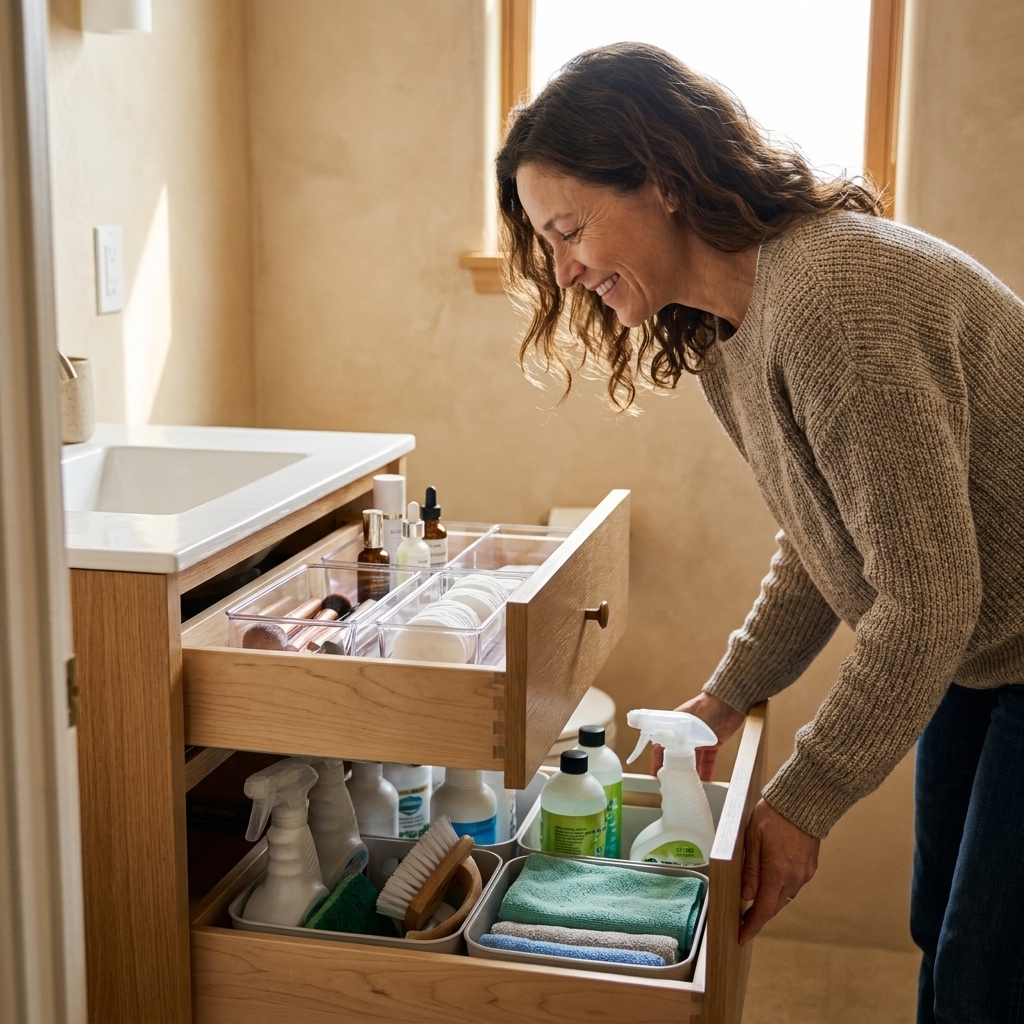
- Vanity storage (drawers beat doors in tiny rooms)
A fan that vents outdoors is not just a nice upgrade. It is moisture control, and moisture control is mold prevention and paint protection.
Save
- Floor tile in the 12x24 “workhorse” category
- Simple subway or larger-format shower tile (often less labor than tiny mosaics)
- Stock mirrors and standard light fixtures
- Accessories (upgrade later if needed)
Cabinet-nerd note: If you want a small bath to feel more functional without expanding it, prioritize a vanity with drawers, a recessed medicine cabinet, or both. Storage solves stress.
Compare quotes safely
If you are hiring out, ask for a scope breakdown that answers these questions:
- Is waterproofing included? What system?
- Who supplies the fixtures and tile? Who handles returns and damages?
- Are permits included?
- Is haul-away included?
- What is assumed about subfloor repair or wall flattening?
- What is the timeline and what triggers schedule changes?
- What allowances are included for tile, vanity, plumbing trim?
A cheap quote with vague allowances is usually just a quote with future change orders baked in.
Budget checklist
- Scope level chosen: Refresh, Replace, or Reconfigure
- Measurements taken and square footage calculated
- Labor quotes or labor allowances added
- Materials priced by category (including setting materials)
- Permits, dump fees, deliveries added
- Contingency added (10% to 25%)
- One “upgrade wish list” item identified (only if contingency survives)
FAQ
Can I remodel a small bathroom for $5,000?
Yes, but usually only as a refresh with limited scope, smart shopping, and some DIY. If you are gutting a bathroom or doing a tiled shower, $5,000 typically is not realistic once you include labor and waterproofing.
What is the biggest budget mistake in small bathrooms?
Underestimating labor and prep. Tile, waterproofing, and “making it straight” in an old room cost money, even if the room is tiny.
Is it cheaper to keep the layout?
Almost always, yes. Keeping the toilet, vanity, and shower in the same locations can save thousands by reducing plumbing and patch work.
How much should I set aside for surprises?
Plan for 10% on a cosmetic refresh, 15% on a gut remodel, and 20% to 25% for older homes or any project that moves plumbing.
A realistic small bathroom budget is less about finding the cheapest fixtures and more about controlling scope. Choose your remodel level, price labor honestly, account for the boring fees, and protect yourself with contingency. That is how a “tiny project” stays tiny.