
Get a mid-range kitchen remodel cost breakdown by category, with real-world ranges for cabinets, countertops, appliances, labor, timelines, and smart ways to...
If you have one remodeling budget and two rooms making big demands, you are not alone. In my old design-build days, this was the most common crossroads: the kitchen is dated and dysfunctional, but the bathroom feels tired or cramped (or both). The good news is that both projects can be worth it. The better news is you can make a much smarter choice when you look at ROI the way appraisers and buyers actually behave.
ROI is not just “how pretty it looks.” It is a mix of cost, resale value, daily livability, and risk. Let’s walk through how kitchens and bathrooms typically perform, what upgrades give the best payback, and how to decide which room gets your dollars first.

What ROI really means
In renovation terms, ROI is often expressed as cost recouped at resale. If you spend $40,000 and your home value increases by $25,000, you recoup about 62.5%.
A few realities that matter:
- You rarely get 100% back on a full gut remodel. It can happen in under-improved homes or fast-rising neighborhoods, but it is not a safe assumption.
- Midrange updates often outperform luxury in ROI. High-end finishes can be wonderful, but buyers do not always pay you back dollar-for-dollar.
- ROI is local. A second full bath can be huge in one market, while an oversized kitchen can be the headline feature in another.
- “Return” includes living return. If you plan to stay 5 to 10 years, a project that makes daily life easier can be the best investment, even if the resale recoup is similar.
One more clarification that helps keep expectations realistic: appraisers do not “reward” remodels directly. They rely on comparable sales and contributory value. Buyer preferences influence prices, and appraisals reflect that through comps.
If you want a consistent national benchmark for recoup rates, the Remodeling Magazine Cost vs. Value Report is one widely cited annual reference point. Treat it as a directional guide, not a guarantee, since year, region, and price point matter.
Kitchen vs. bathroom: the quick answer
If you want the broad, general rule I saw play out again and again:
- Kitchens often win on buyer perception and can help a home sell faster or feel more valuable.
- Bathrooms often win on ROI per dollar when you keep the scope tight (especially powder rooms, hall baths, and smart refreshes).
That does not mean “kitchen always first” or “bathroom always safer.” It means your scope matters as much as your room choice.
Why kitchens can add value (and risk)
Why buyers care so much
The kitchen is the emotional center of the home. It is also one of the most expensive rooms to remodel. Because buyers know that, a visibly dated kitchen can trigger a mental deduction that is larger than the actual remodel cost. You see an avocado-green bath and think “annoying.” You see a worn-out kitchen and think “project.”
What tends to improve kitchen ROI
- Keeping the footprint similar. Moving plumbing, gas, and walls can balloon costs fast. If you can improve function without relocating everything, you protect ROI.
- Cabinet upgrades that look custom without custom pricing. Semi-custom boxes with smart interior storage can feel high-end and work hard every day.
- Durable, neutral finishes. Quartz, simple tile, and classic hardware age better for resale than trendy picks.
- Lighting. Layered lighting (recessed plus pendants plus under-cabinet) makes the whole kitchen look more expensive.
Where kitchens lose ROI quickly
- Relocating the sink or range “because it would be nice.” Sometimes it is necessary, but it is one of the priciest nice-to-haves.
- Ultra-premium appliances in a mid-market home. If your neighborhood comp homes do not have built-in refrigerator columns, you might not get paid back for them.
- Over-customizing. Open shelving everywhere, unusual colors, or niche layouts can narrow your buyer pool.
My practical take: A kitchen remodel can be a great investment, but it rewards disciplined planning. If you tend to expand scope mid-project, the kitchen is where budgets often blow up.
Why bathrooms recoup well per dollar
Bathrooms are smaller, so upgrades go far
Bathrooms pack a lot of visual punch into a small footprint. That is why a well-designed refresh can feel transformative without the price tag of a full kitchen overhaul.
Bathroom upgrades that often pay back
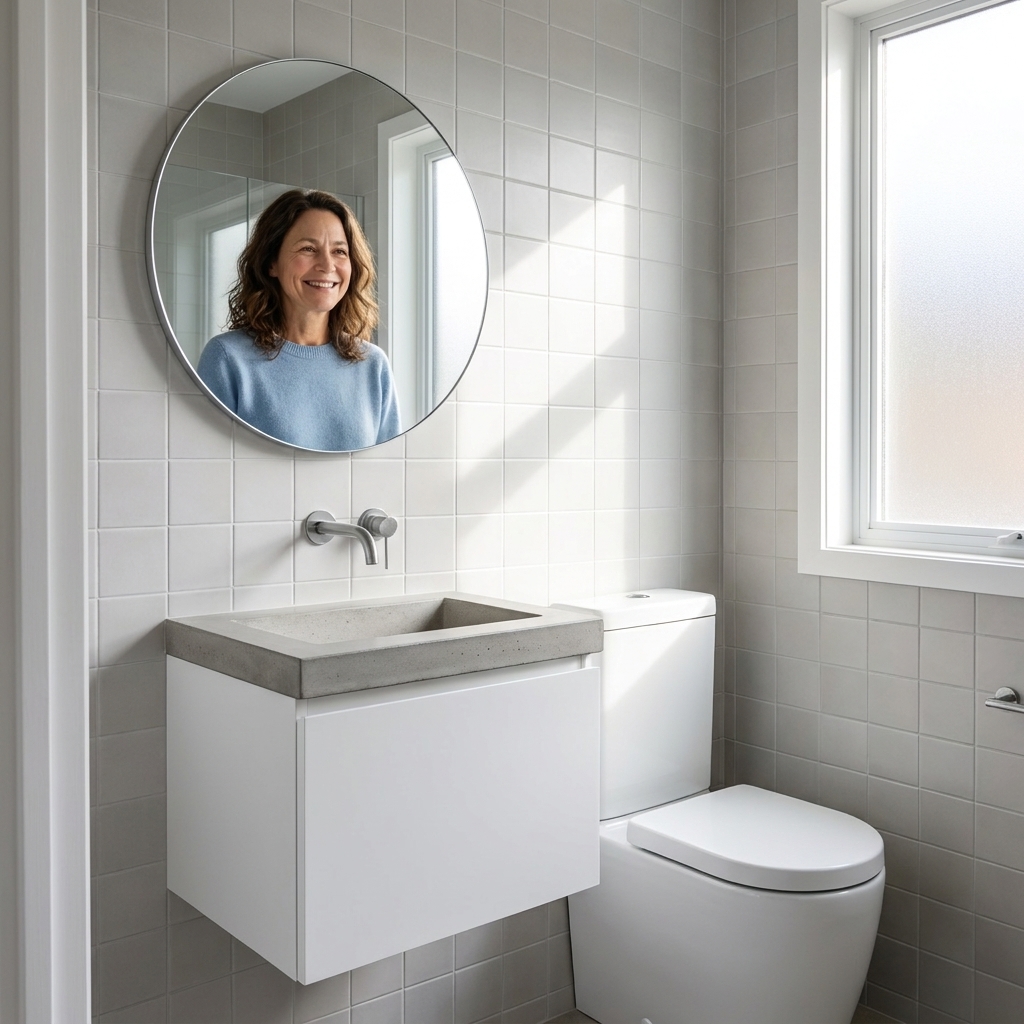
- Vanity, top, and faucet replacement. This is one of my favorite high-impact swaps, especially if the existing vanity is builder-basic or swollen from water damage.
- Updated lighting and mirrors. Better light around the face is something buyers feel immediately, even if they cannot explain why the room looks nicer.
- New flooring and a clean, simple shower surround. Large-format porcelain and classic subway (or similarly timeless tile) tends to appeal broadly.
- Ventilation improvements. Quiet, effective exhaust fans help prevent moisture damage and that musty-bath vibe that turns buyers off.
Where bathroom ROI slips
- Expanding the footprint. Adding square footage can be valuable, but it is rarely a clean ROI story unless you are solving a major functional gap.
- Moving plumbing stacks. If you are shifting toilets or showers far from existing rough-ins, costs rise quickly.
- Luxury features that are taste-specific. Body-spray systems, exotic stone, or overly bold tile can be hard to recoup unless you are in a luxury market.

ROI by project type
Instead of arguing kitchen versus bathroom in the abstract, I like to compare project types, because ROI is often about scope control.
Best bang for buck
- Kitchen refresh (painted or refaced cabinets, new hardware, new counters, updated backsplash, lighting upgrades)
- Hall bath refresh (new vanity, fixtures, lighting, mirror, flooring, and a clean tub surround update)
- Powder room update (paint, vanity, mirror, sconce, faucet). Powder rooms are small, so design choices can show big impact per dollar, especially in markets where guests use that space often.
Solid ROI, higher cost
- Midrange full kitchen remodel that keeps a similar footprint and avoids major structural changes
- Midrange primary bathroom remodel with quality finishes but no major layout changes
Harder ROI math (sometimes still worth it)
- Luxury kitchens with major layout changes, premium appliances, and custom everything
- Luxury primary baths with footprint expansion, moving plumbing, or highly customized wet rooms
- Converting a tub to a shower in the only bathtub bathroom. Great for daily life, but in many family-oriented markets it can reduce buyer appeal.
Which room helps you sell faster?
If you are selling soon, here is the buyer psychology I have seen repeatedly:
- A dated kitchen can stop a showing from becoming an offer. Buyers often overestimate kitchen remodel cost and risk.
- A gross bathroom can also kill a deal, especially if it looks moldy, poorly maintained, or has functional problems like leaks or bad ventilation.
- One bad bathroom is easier for buyers to tolerate than one bad kitchen, as long as there is at least one clean, functional bath.
If your kitchen is truly nonfunctional (no prep space, poor lighting, failing cabinets), it often deserves priority for resale. If your kitchen is fine but the bathroom is visibly worn, the bathroom refresh can be the better pre-sale move.
Cost realities
Kitchens usually cost more because you are paying for a lot of line items at once: cabinets, counters, appliances, electrical, plumbing, flooring, and often some drywall repair from moving things around.
Bathrooms can be deceptively expensive per square foot due to tile labor, waterproofing, and the number of trades working in a small space. But because the room is smaller, your total spend can still be lower, which can make recoup percentage look better.
Rule of thumb from the field: The project that stays closest to existing plumbing and electrical locations often wins the ROI contest, regardless of whether it is a kitchen or bath.
Risk and disruption
Earlier I mentioned risk as part of ROI. This is where it shows up in real life.
- Bathrooms hide expensive surprises. Poor waterproofing, slow leaks, rotted subfloors, and old galvanized supply lines can turn a “simple refresh” into a bigger job. Plan a contingency.
- Kitchens expose electrical limits. Older homes may need added circuits, GFCI protection, or panel work to support modern appliances and code-compliant outlets.
- Disruption matters. A kitchen remodel can mean weeks without a functional cooking setup. A single-bath home can mean serious scheduling stress. Those headaches are part of the true cost, even if they never show up on an invoice.
Where to spend first
If you are stuck, run through these questions in order. Your answers usually point to the right first project.
1) Is anything unsafe or failing?
- Leaks, rotted subfloor, mold from chronic moisture, failed wiring, or a non-vented bath that is peeling paint and growing mildew
- Fix these first. ROI does not matter if you are protecting the house.
2) Which room blocks daily life?
- If your kitchen storage is so poor you cannot cook without chaos, that is a quality-of-life emergency.
- If you have one bathroom for five people and it is constant stress, a bathroom upgrade (or, in some homes, adding a bath) may deliver the better real-world return.
3) Selling soon or staying put?
- Selling soon (0 to 2 years): prioritize what looks dated and what buyers fear tackling. Often the kitchen, unless it is serviceable and the baths look rough.
- Staying longer: prioritize the room that improves your daily routine the most.
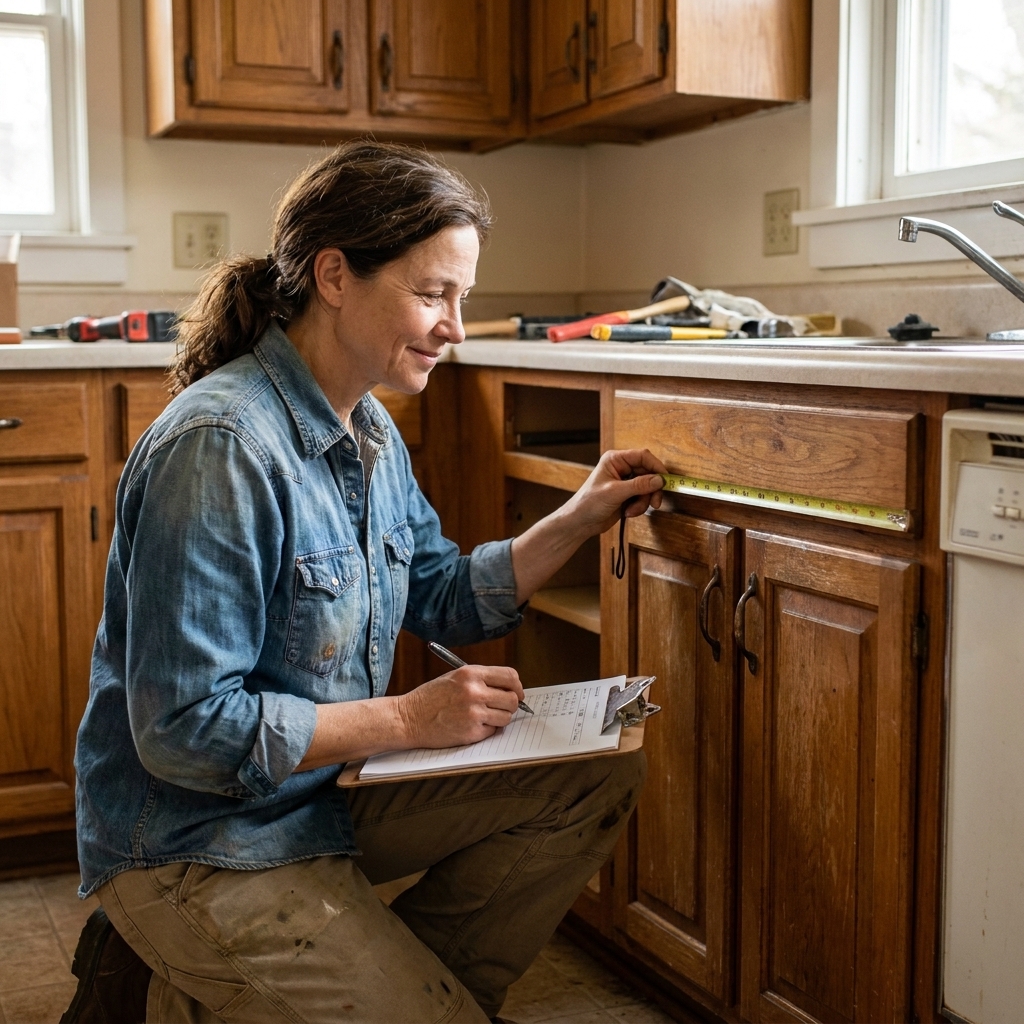
4) Can you refresh instead of gut?
If ROI is your primary goal, the sweet spot is frequently a refresh with smart design: better storage, better light, durable finishes, minimal relocation of plumbing and electrical.
Splurge vs. save
Splurge when it prevents rework
- Waterproofing in showers. This is not optional. A failed shower is one of the costliest oops repairs.
- Quality cabinets (good boxes, good hardware). Cabinets take daily abuse. Invest in solid construction and soft-close hardware.
- Professional layout and trade work when you are altering plumbing, electrical, or structure.
Save when it is mostly cosmetic
- Standard size tile instead of intricate mosaics that raise labor costs.
- Simple cabinet door styles that look timeless.
- Midrange fixtures from reputable brands rather than boutique, hard-to-service options.
A quiet splurge I love
Storage upgrades that no one sees in listing photos but everyone feels at home: pull-out trash, tray dividers, a proper spice pull-out, or a drawer-based vanity. These can elevate function without the cost of luxury finishes.
Common ROI mistakes
- Over-improving for the neighborhood. Your home should be competitive, not the most expensive remodel on the block.
- Chasing trends over cohesion. The most profitable remodel is usually the one that appeals to the most people.
- Forgetting the boring line items. Venting, GFCI protection, shutoff valves, and proper lighting are not glamorous, but buyers and inspectors care.
- Ignoring the in-between spaces. If you remodel a gorgeous kitchen and the adjacent dining area lighting and flooring look tired, the wow gets diluted.
Which should you choose?
If your kitchen is original and dated
Lean kitchen first, especially if you can keep the footprint similar and focus on cabinets, counters, lighting, and functional storage.
If your kitchen is decent but the bath looks worn
Lean bathroom first. A clean, updated bath signals the home has been cared for.
If you only have one full bathroom
Lean bathroom first for both livability and resale. Just plan carefully so you are not without a bathroom for longer than necessary.
If you have two full baths but no powder room
If space allows, adding a powder room can be a strong value play in many homes, especially for entertaining and daily convenience.
If you plan to sell in a hot market
You may not need a full remodel at all. Often the best ROI is paint, lighting, hardware, and a strategic refresh in whichever room shows its age most.
FAQ
Is a kitchen remodel always the best ROI?
No. Kitchens are high-impact, but they are also high-cost. A well-scoped kitchen refresh can perform beautifully, while an overbuilt luxury kitchen can underperform. Bathrooms often deliver excellent ROI when you keep the footprint and upgrade visible finishes, but recoup rates still vary by market and year.
Does adding a bathroom beat remodeling an existing one?
Sometimes. Adding a bath can increase value if your home is functionally behind comparable homes nearby. But additions are expensive and complex. If you already have enough baths for your home size, a refresh may provide better recoup per dollar.
What is the most ROI-friendly kitchen upgrade?
In many homes: cabinet-focused upgrades plus lighting. That might mean new semi-custom cabinets, or refacing and new doors paired with quartz and updated lighting, depending on what you start with.
What is the most ROI-friendly bathroom upgrade?
A vanity, lighting, mirror, and fixture update paired with clean, classic surfaces. It modernizes the room quickly and usually avoids heavy plumbing moves.
My bottom line
If you want the best return, choose the room where you can:
- Fix real functional problems
- Keep the layout and utility locations mostly intact
- Upgrade high-visibility finishes
- Avoid luxury-only spending that your market will not pay you back for
For many homeowners, that means a kitchen refresh or a hall bath refresh wins the ROI race. If your kitchen is truly dated and driving buyers away, prioritize it. If your kitchen is acceptable and the bath is tired, a bathroom update can be the smarter first move.
As a final gut-check, use your home size, bath count, and how soon you might move to pressure-test your plan. The best ROI is usually the one that stays disciplined on scope and makes the house easier to live in and easier to sell.