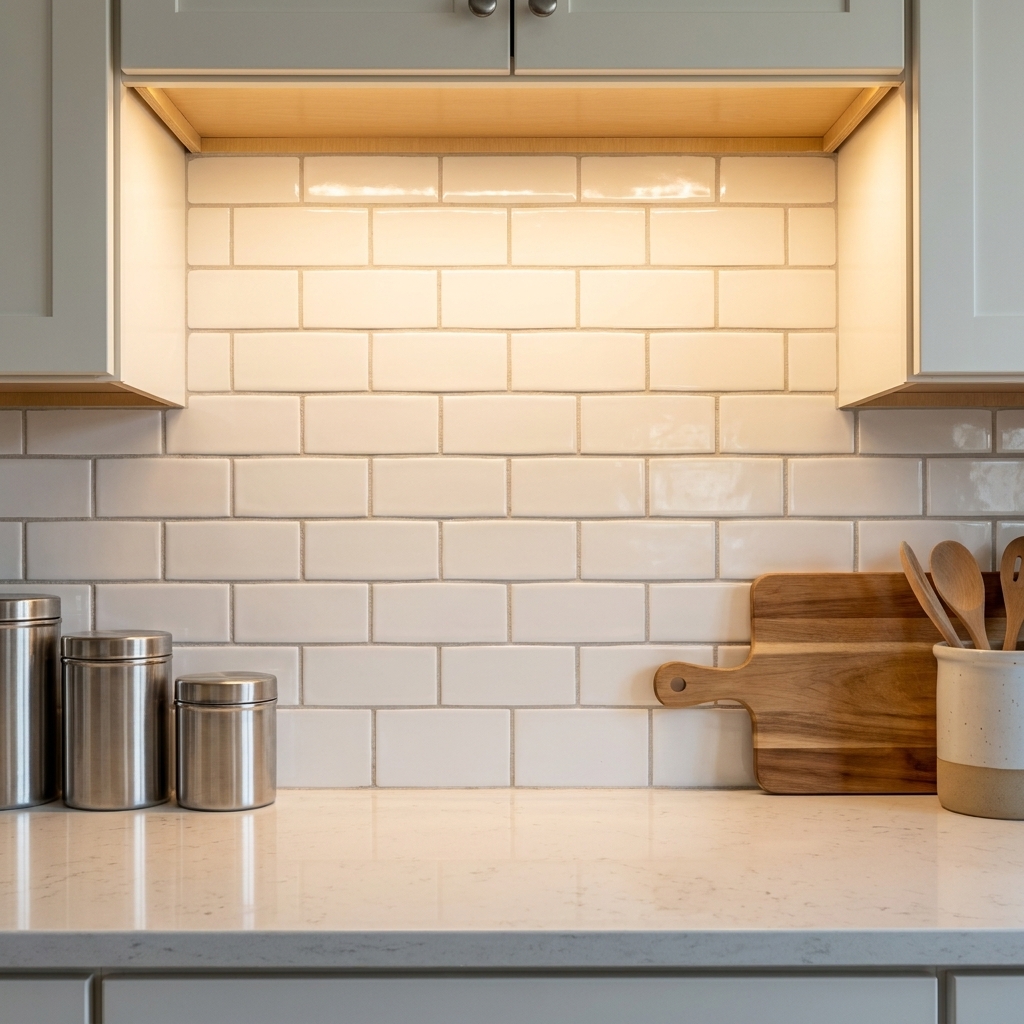

Learn which kitchen upgrades truly pay off and where smart budget picks perform just as well. Practical, contractor-savvy guidance for a remodel that lasts.
If you have been pricing a kitchen remodel in 2024 and feeling like every number you hear is either wildly optimistic or wildly terrifying, you are not alone. Kitchens are often the most expensive room in a home to renovate (primary bathrooms can absolutely compete) because they stack multiple high-cost systems in one place: cabinetry, plumbing, electrical, ventilation, surfaces, and appliances.
Below is the cost breakdown I use when I help homeowners build a sane, mid-range budget. Not a bargain-basement refresh, and not a magazine-grade gut with custom everything. Think: quality materials, smart storage, durable finishes, and a contractor who is licensed, insured, and not cutting corners behind your walls.
Quick reality check before we get into numbers: these ranges are based on real-world bids and projects, but labor rates and material pricing vary a lot by region. High-cost metros can run higher, and low-cost areas can come in lower. Your layout decisions also matter as much as your finish choices.

What “mid-range” means in 2024
A mid-range kitchen remodel usually includes:
- New semi-custom or stock cabinets (often with a few upgrades like pull-outs and trash pull-outs)
- New countertops (quartz and granite are common)
- New sink and faucet
- New appliances (or at least a couple key replacements)
- New lighting and updated electrical to current needs
- New flooring (if the kitchen footprint changes or the old floor is dated)
- Paint, trim, and finish carpentry
- Some layout tweaks but not a full addition
Typical mid-range total: $45,000 to $95,000
Common “most people land here” range: $60,000 to $80,000
Why the spread? A 10x10 kitchen where you keep plumbing in place is a very different beast than a large kitchen where you remove a wall, relocate the sink, and discover the old wiring is undersized.
Quick cost snapshot
Here is a realistic mid-range breakdown as percentages, plus what those percentages often look like in dollars.
Note on overlap: I list cabinet cost as “including installation” because that is how many homeowners think about it. Some contractors will break cabinet install out under labor instead. When you compare bids, make sure you are not double-counting cabinet install.
- Cabinets (including installation): 25% to 35% (often $15,000 to $35,000)
- Labor and trades (everything else): 20% to 35% (often $15,000 to $30,000)
- Countertops: 8% to 12% (often $4,500 to $10,000)
- Appliances: 8% to 15% (often $5,000 to $15,000)
- Plumbing fixtures: 2% to 5% (often $1,000 to $3,500)
- Lighting and electrical fixtures: 3% to 7% (often $1,500 to $6,000)
- Flooring: 5% to 10% (often $3,000 to $9,000)
- Backsplash and tile: 3% to 6% (often $1,500 to $6,000)
- Design, permits, and engineering: 2% to 6% (often $1,000 to $5,000+)
- Contingency: 10% to 15% (especially important in older homes)
I know that is a lot of ranges. The key is this: you can usually predict your final cost by making two decisions early: cabinet level and how much you move plumbing and walls.
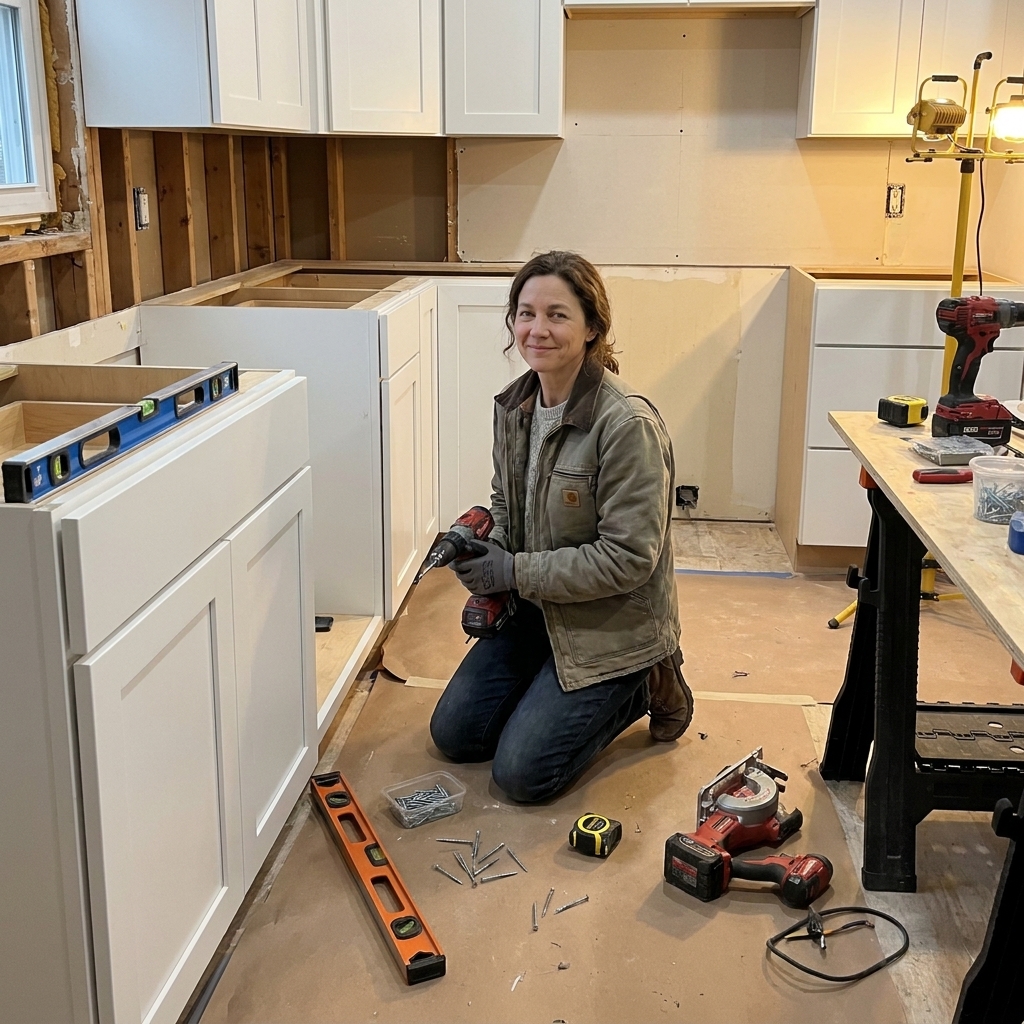
Cabinets
Cabinet pricing is part math, part choice overload. In 2024, the gap between “looks decent online” and “holds up to real life” is huge.
Typical cabinet costs
- Stock cabinets installed: $8,000 to $18,000
- Semi-custom cabinets installed: $15,000 to $35,000
- Custom cabinets installed: $30,000 to $60,000+
Those numbers assume a typical kitchen size and a standard cabinet mix. Big kitchens, tall uppers, and pantries climb fast.
What drives cabinet costs up
- More boxes, not just nicer doors. Every extra base cabinet, every extra run of uppers, every pantry tower is cost.
- Specialty storage. Pull-out spice racks, tray dividers, blind-corner solutions, appliance garages, and drawer stacks are worth it, but they add up.
- Finishes. Painted cabinets often cost more than stained. Specialty colors and glazes add more.
- Height. Cabinets to the ceiling look polished and store more, but you are paying for more material, more labor, and often crown or light rail.
Tip from the trenches: If you need to save without the kitchen looking “saved on,” reduce the number of cabinet runs before you downgrade quality. Fewer, better cabinets usually beat more, flimsier cabinets.
Countertops
Countertops are a high-visibility line item, but they are usually not the biggest portion of a mid-range budget unless you choose premium stone or add a lot of edge detail.
Common ranges (installed)
- Laminate: $1,500 to $4,000
- Butcher block: $2,000 to $6,000
- Quartz: $4,500 to $10,500
- Granite: $4,000 to $10,000
- Quartzite: $7,000 to $16,000+
- Porcelain slab: $6,000 to $15,000+
Hidden add-ons
- Waterfall edges
- Extra-thick edges or fancy profiles
- Multiple seams due to layout
- Undermount sink cutouts and specialty sink shapes
- Backsplash in the same slab material
If you want a “high-end” look while staying mid-range, put your money into a great quartz color and keep the edge profile simple. Most people do not notice the edge detail. They absolutely notice the overall surface and how it coordinates with cabinets.
Appliances
Appliances can be a modest line item or a budget takeover. The biggest pricing swings come from going pro-style, adding built-ins, or upgrading ventilation correctly.
Typical package costs
- Value package (mid-tier brands, basic features): $3,500 to $6,500
- Mid-range package (better reliability, nicer features): $6,500 to $12,000
- Premium package (pro ranges, built-ins, specialty pieces): $12,000 to $25,000+
Do not forget these related costs
- Vent hood and ducting: $800 to $3,500+ depending on CFM, duct run, and finishes
- Electrical upgrades: dedicated circuits for range, microwave, or dishwasher
- Gas work: new gas line or upsized line for higher-BTU ranges
- Cabinet modifications: panels, fillers, trim kits, and built-in framing
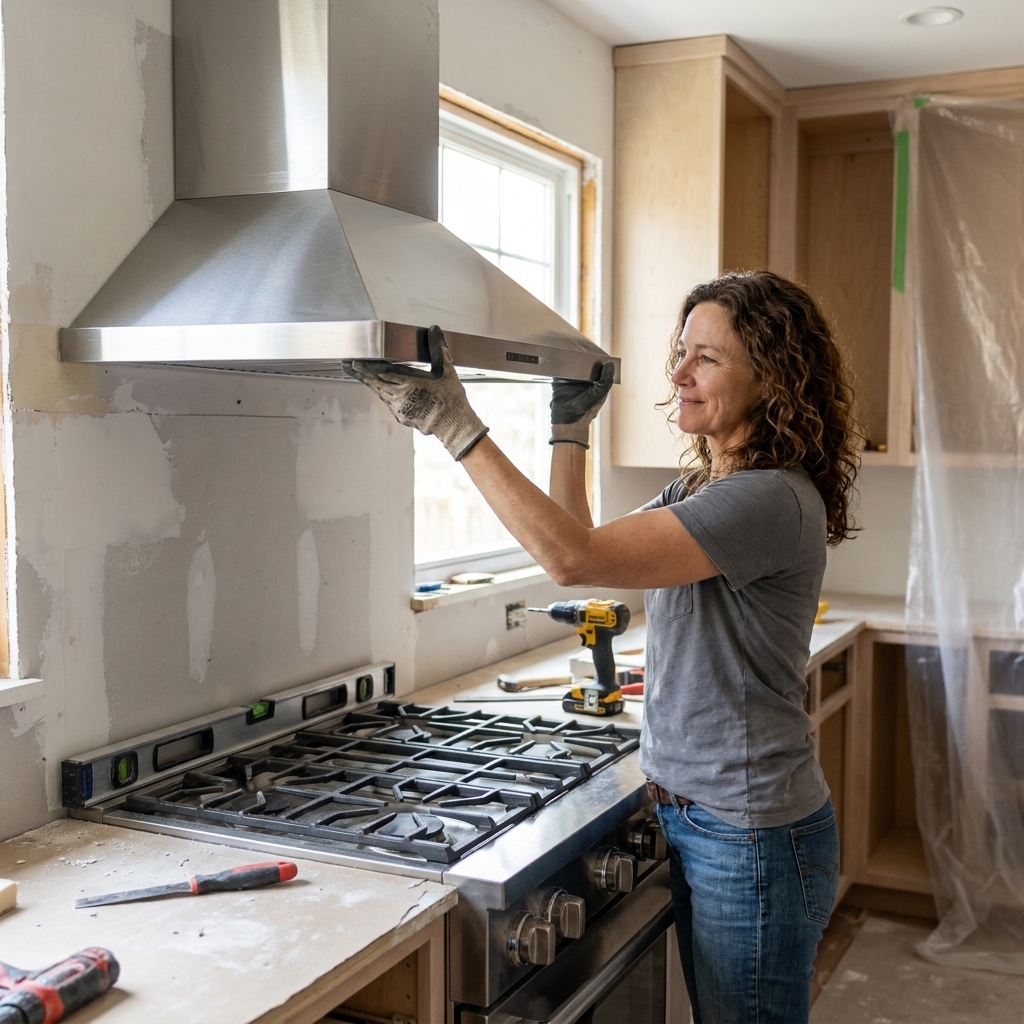
Reality check: If you upgrade to a powerful range, budget for a hood that actually vents outside. Recirculating hoods can help with odors, but they generally do not remove moisture and grease the same way a properly ducted hood does, which can matter over time for cleanup and finishes.
Labor and trades
Homeowners sometimes assume the materials are the main cost. In a properly run remodel, skilled labor is a huge part of the total, and it should be. Kitchens combine multiple licensed trades, plus a lot of finish work that is unforgiving.
Costs you are likely to see
- Demo and haul-away: $1,000 to $4,000
- Carpentry and installation labor: $6,000 to $18,000
- Plumbing (rough-in and finish): $1,500 to $6,000
- Electrical (rough-in and finish): $2,000 to $8,000
- Drywall and paint: $2,000 to $7,000
- Tile labor (backsplash, sometimes floor): $1,500 to $6,000
- Floor installation labor: $1,500 to $5,000
General contractor overhead and profit is typically folded into the total. It pays for scheduling, warranty, supervision, insurance, jobsite protection, and solving the inevitable surprises when your walls open up.
Plumbing fixtures
Fixtures can look like a small part of the budget, but they influence daily satisfaction more than almost anything.
Typical fixture costs
- Sink: $250 to $1,200 (workstation sinks and fireclay can go higher)
- Faucet: $200 to $700 (touchless and pro-style add cost)
- Garbage disposal: $150 to $350
- Water filtration: $200 to $900 plus install
Where to splurge: a faucet with a smooth pull-down, solid docking, and an easy-to-clean finish. You touch it every day, often with messy hands.
Where to save: a standard stainless sink in a good gauge. It is durable and forgiving, and it looks right in most mid-range kitchens.
Electrical and lighting
Kitchens need more outlets than they used to. Between coffee stations, charging drawers, air fryers, and undercabinet lighting, electrical work adds up quickly.
These numbers are common in many markets, but pricing can move a lot based on access, open walls versus finished walls, and local labor rates.
Common costs
- Recessed lights (installed): $150 to $350 each
- Pendant lights: $150 to $900 each plus install
- Undercabinet lighting: $400 to $2,500+
- New outlets and GFCI protection: $300 to $1,500+
- Panel upgrades (if required): $2,000 to $5,500+
My favorite mid-range luxury: layered lighting. A few well-placed recessed lights, undercabinet lights for task work, and one statement fixture can make a standard kitchen feel custom.
Flooring
Flooring costs depend on what you have now, what you are installing, and how far the new material extends. If the kitchen is open to other areas, the flooring decision can ripple through multiple rooms.
Typical costs (materials and install)
- LVP (luxury vinyl plank): $4 to $9 per sq ft installed
- Porcelain tile: $10 to $25 per sq ft installed
- Engineered wood: $9 to $18 per sq ft installed
- Hardwood (site-finished or prefinished): $10 to $20 per sq ft installed
For many families, a quality LVP or porcelain tile is the sweet spot for durability. For resale and continuity in older homes, matching existing hardwood can be worth the cost.
Backsplash
A backsplash is usually a smaller slice of the budget, but it can look expensive if you choose thoughtfully.
Typical costs
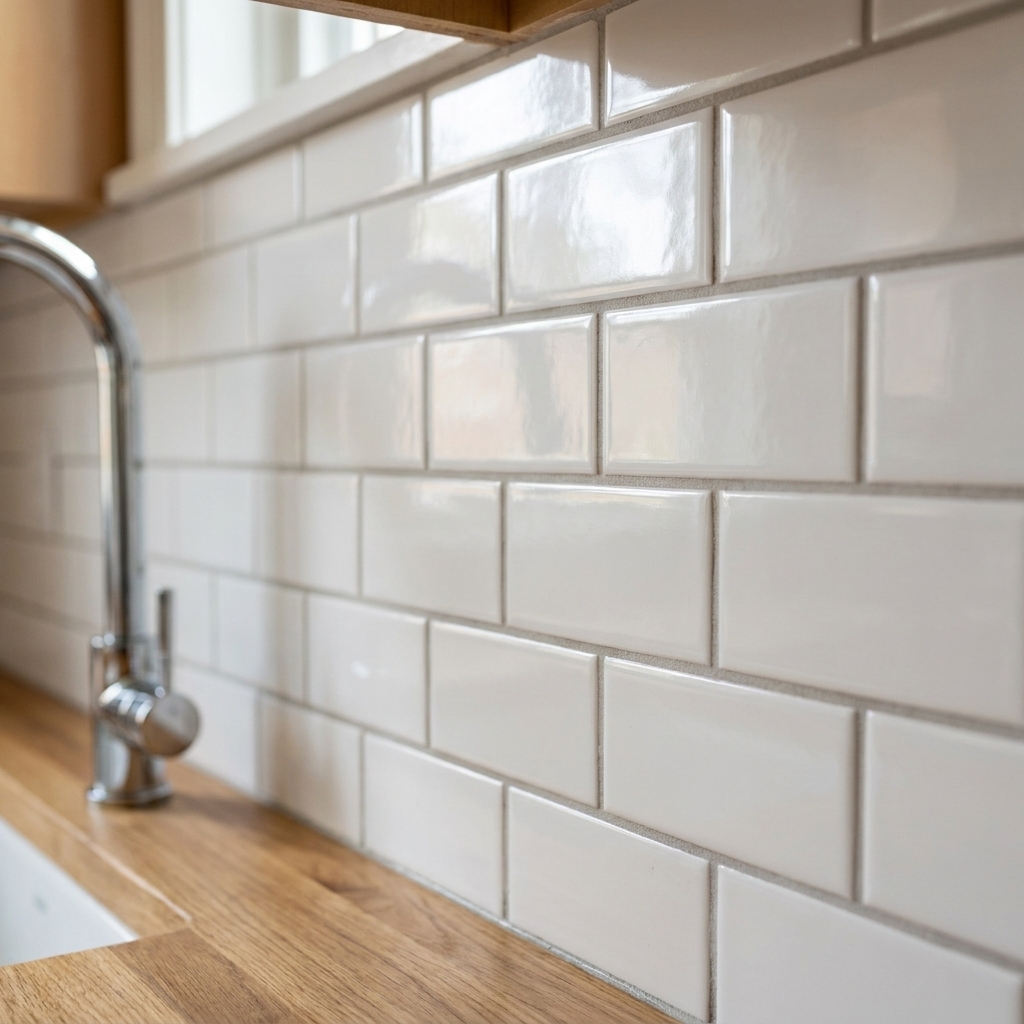
- Simple subway tile: $1,500 to $3,500 installed
- Patterned ceramic or zellige-look tile: $2,500 to $6,000 installed
- Full-height tile behind range or full wall: $3,500 to $8,000+
Where budgets get sneaky: tiny tiles (like mosaics) cost more in labor. So do complicated layouts, lots of outlets, and thick handmade tiles that require extra prep.
Design, permits, and paperwork
Permits and design fees vary widely by location, but skipping them can be a costly mistake if you are moving plumbing, altering electrical, removing walls, or installing new circuits.
- Permits: $200 to $2,500+ depending on scope and municipality
- Kitchen design help: $500 to $5,000+ depending on whether it is a big-box plan, an independent designer, or a design-build package
- Engineering (if removing walls or altering structure): $500 to $2,500+
If you are investing tens of thousands in a kitchen, paying for a solid plan is rarely wasted money. A good layout prevents expensive last-minute cabinet changes and awkward clearances that haunt you forever.
Timeline and disruption
Time is not just inconvenient, it is often a cost driver. The longer a job runs, the more labor, supervision, and scheduling complexity you are paying for.
- Keep layout, upgrade finishes: often 4 to 8 weeks
- Move a few things, add storage: often 6 to 10 weeks
- Remove a wall or relocate major plumbing: often 8 to 14+ weeks
Add lead times on the front end for cabinets, appliances, and specialty tile. Depending on what you order, that can be a few weeks or a few months.
Temporary kitchen costs
This is the part nobody wants to budget for, but most households feel it immediately.
- Eating out or delivery: even a few extra meals a week adds up fast
- Mini fridge, microwave, hot plate: a simple setup can save your sanity
- Dust protection and daily cleanup: plastic walls, floor protection, and extra cleaning time
- Pet and child safety: gates, alternate routes, and sometimes short-term routines that cost money
Even if you do not line-item this into the remodel contract, it is worth planning for in your household budget.
The line items that blow up budgets
These are the most common budget surprises I see, especially in older homes.
- Water damage around dishwashers, sinks, or exterior walls
- Outdated wiring and undersized electrical panels
- Plumbing that is not up to code once walls are opened
- Floor leveling after removing layers of old flooring
- Asbestos testing and remediation (certain old flooring, mastics, or duct wrap in some homes)
- Window or door changes that trigger siding, trim, and drywall work
- Layout changes that seem simple but require moving ducts, drains, or gas lines
My rule: carry a 10% contingency in newer homes and 15% or more in older homes. If you do not use it, you get to celebrate. If you need it, you are not stuck making panicked finish downgrades at the end.
Example budgets
Scenario 1: Keep layout, upgrade finishes
Total: $45,000 to $65,000
- Semi-custom or upgraded stock cabinets
- Quartz countertops
- Moderate electrical updates, no panel work
- New appliances but not built-ins
- Basic tile backsplash
Scenario 2: Move a few things, add better storage
Total: $65,000 to $85,000
- Semi-custom cabinets with storage upgrades
- Sink moved or island added
- More lighting and outlets
- Upgraded hood vented outside
- New flooring throughout kitchen
Scenario 3: Remove a wall or relocate major plumbing
Total: $85,000 to $110,000+
- Structural work with engineering
- Bigger electrical scope and possible panel changes
- More drywall, patching, and finish carpentry
- Higher labor costs due to complexity and time
Splurge vs save
Worth the splurge
- Cabinet boxes and hardware quality (soft-close hinges, full-extension slides)
- Functional storage (trash pull-out, deep drawer bases, pantry organization)
- Ventilation that matches how you cook
- Lighting for real task work
Safe places to save
- Backsplash tile (choose a classic shape and spend on good installation)
- Cabinet door style (simple shaker often looks most timeless)
- Mid-tier appliances if you are not a heavy cook
- Simple countertop edge profiles
If you are trying to decide where your money will be felt the most, prioritize the things you touch multiple times a day: drawers, faucet, lighting, and workflow.
Getting accurate contractor bids
If you want bids that actually compare apples to apples, hand each contractor the same scope. Vague requests like “mid-range kitchen, nothing crazy” lead to wildly different assumptions.
- Start with a rough layout plan and clear notes on what moves and what stays
- List your must-haves (island seating, pantry, double trash, etc.)
- Choose a cabinet level (stock vs semi-custom vs custom)
- Decide on countertops (at least the material type)
- Note appliance specs if you already have them (especially range size and fuel type)
- Ask for allowances that are realistic, not artificially low
- Confirm what is included (demo, hauling, permit handling, protection, cleanup)
Watch out for: bids that are dramatically lower and also light on details. In kitchens, missing line items usually show up later as change orders.
FAQ
Is $30,000 enough for a kitchen remodel in 2024?
Sometimes, but usually only for a smaller kitchen where you keep the layout, reuse some elements, and make targeted upgrades. A full mid-range remodel with new cabinets, counters, and trades work typically starts higher in most markets.
How much should I budget for cabinets?
A practical target is 25% to 35% of the total budget, which commonly lands at $15,000 to $35,000 installed for a typical mid-range project.
What is the biggest hidden cost?
Electrical and “behind the wall” fixes. Once you open up, you may discover undersized circuits, older wiring methods, plumbing not up to current standards, or damage that has to be repaired before finishes go in.
Should I hire a designer?
If you are changing the layout, yes, it is often money well spent. A well-designed cabinet plan prevents expensive mistakes and can improve storage without adding square footage.
Bottom line
A realistic mid-range kitchen remodel in 2024 typically lands between $45,000 and $95,000, with many homeowners clustering in the $60,000 to $80,000 range. The fastest way to predict your outcome is to lock in your cabinet approach and be honest about how much you are moving plumbing, electrical, and walls. Then verify pricing locally, because labor rates can swing the total as much as your finish selections.
If you want, tell me your kitchen size, whether you are moving the sink or range, and your cabinet level (stock, semi-custom, or custom). I can help you sanity-check a budget range before you start collecting bids.