Practical range hood sizing guidance: hood width and depth, rough CFM rules for gas or electric, mounting height, duct size and routing, ducted vs recirculat...
I grew up holding the flashlight for my dad while he worked under sinks and behind walls, so I learned early that the stuff you don’t see is usually what makes or breaks a project. Range hoods are the same. Picking ducted (vented outside) vs. ductless (recirculating) is not just an appliance decision. It can change your cabinet layout, your ceiling plan, your roof or exterior wall work, and sometimes even your permit requirements.
If you already know the right width, mounting height, and a reasonable CFM target, this is the next fork in the road: are you sending cooking air outside, or cleaning it and putting it back into the kitchen?
The quick difference
Ducted (vented outdoors)
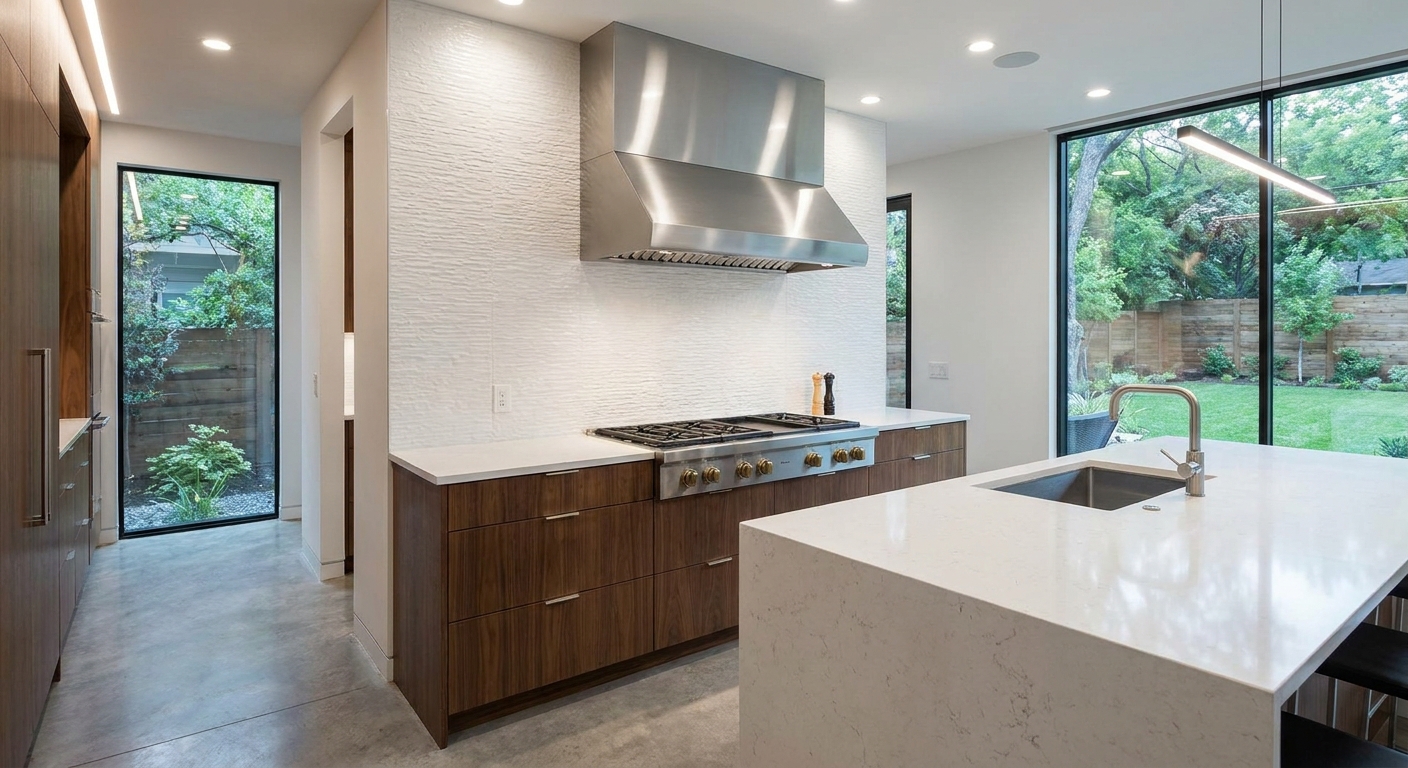
A ducted hood captures smoke, grease, odors, and moisture and sends it through ductwork to an exterior wall or the roof. This is the best-case setup for performance because the stuff you cook off actually leaves the house.
Ductless (recirculating)
A ductless hood pulls air through a grease filter and then through a charcoal or carbon filter to reduce odors. After filtering, it blows the air back into the kitchen. It is a practical choice in condos, apartments, or interior kitchens where you cannot run ductwork outdoors.
Performance
Grease removal
Ducted wins. Grease is the sticky enemy that ends up on cabinet doors, light fixtures, and that top shelf you never dust. A ducted hood can capture grease and exhaust it outside, assuming the hood is sized well, installed at the right height, and the duct run is not fighting the blower.
Ductless can help, but it is not a full solution. Ductless hoods rely heavily on the grease filter staying clean. They will catch some grease, but a portion can still drift into the room, especially with high-heat searing, wok cooking, or frequent frying.
Odor control
Ducted wins again. When you vent outdoors, odors do not have to be filtered perfectly. They are removed.
Ductless reduces odors; it doesn’t eliminate them. Charcoal filters can make a noticeable difference, but they saturate over time. If you cook fish, curry, or do a lot of browning, you will still get lingering smell in a way most homeowners do not expect when they hear the word “filter.”
Steam and moisture
This is the part that surprises people most.
- Ducted hoods can remove moisture, to the extent the hood captures the cooking plume. When capture is good, you get less condensation on windows, less film on nearby surfaces, and generally a more comfortable kitchen if you boil pasta nightly.
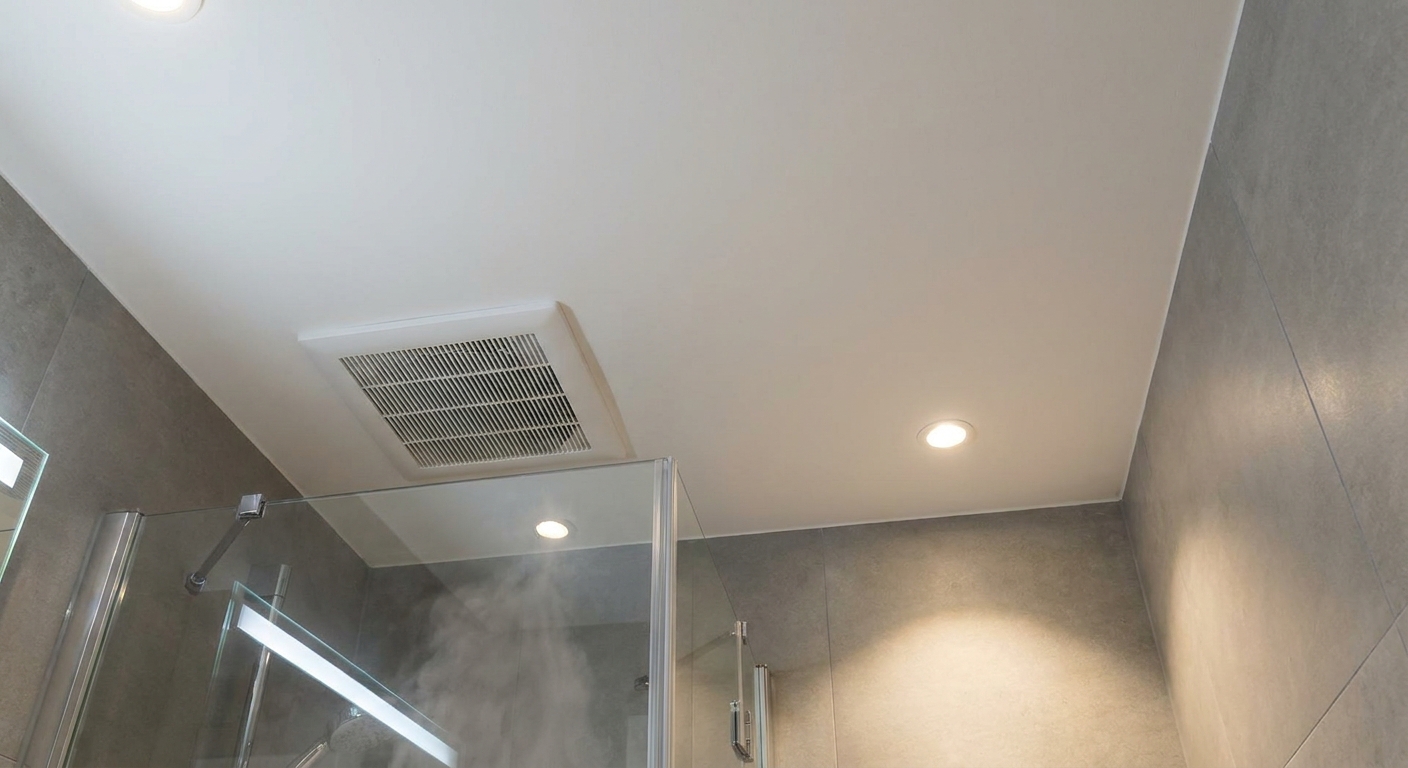
- Ductless hoods do not remove moisture. They can pull some steam through the filters, but the moisture stays in the home because nothing is being exhausted outdoors. In winter climates, that can mean foggy windows. In humid climates, it can add to overall humidity and make your HVAC work harder.

Remodel planning
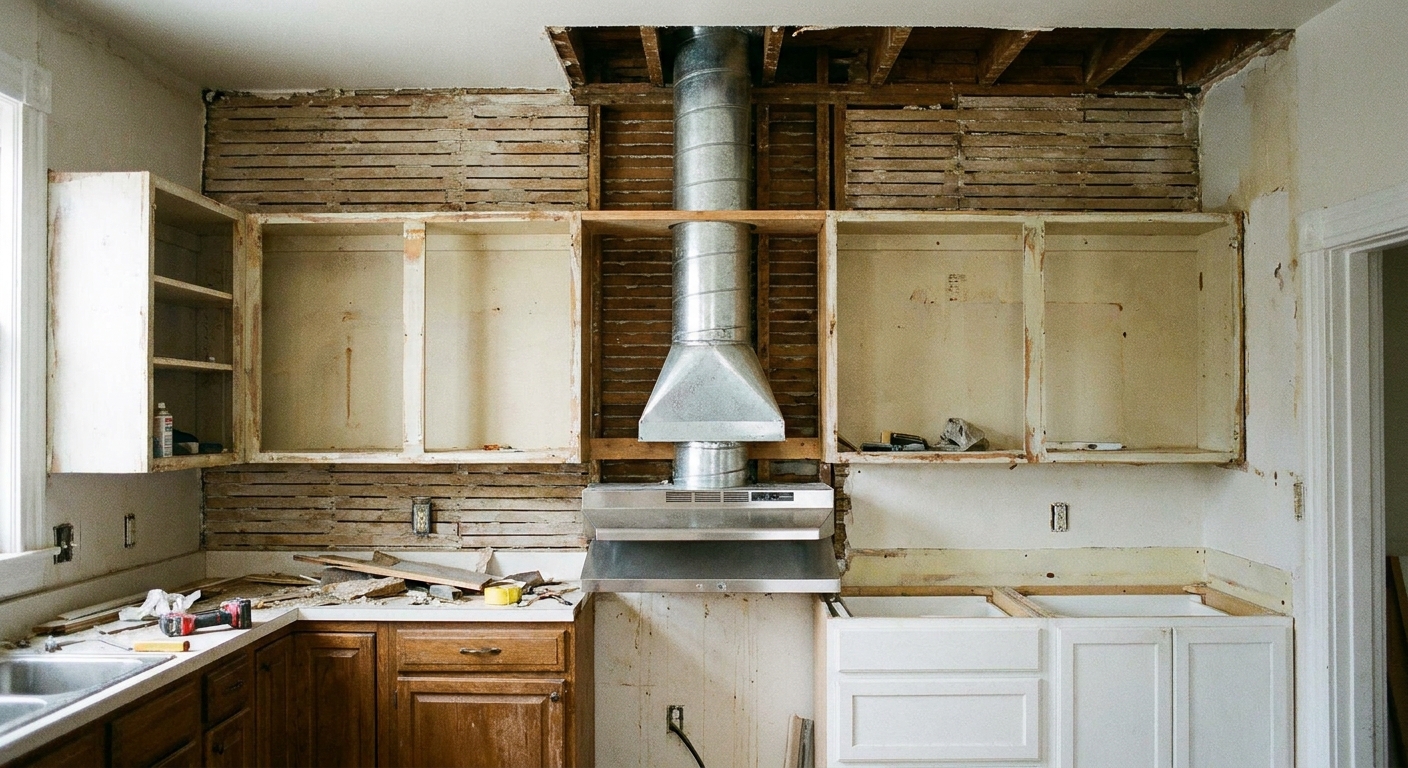
If you want a ducted hood, the most important question is: Where can the duct go? In real remodels, the duct route determines how clean the final design looks, how loud the hood feels, and how expensive the install becomes.
Common duct paths
- Through an exterior wall behind the range. Often the simplest when your range sits on an exterior wall. Short run, fewer elbows, usually quieter and more effective.
- Up into the ceiling, then out through a side wall. Common when the range is on an interior wall but there is an exterior wall not too far away.
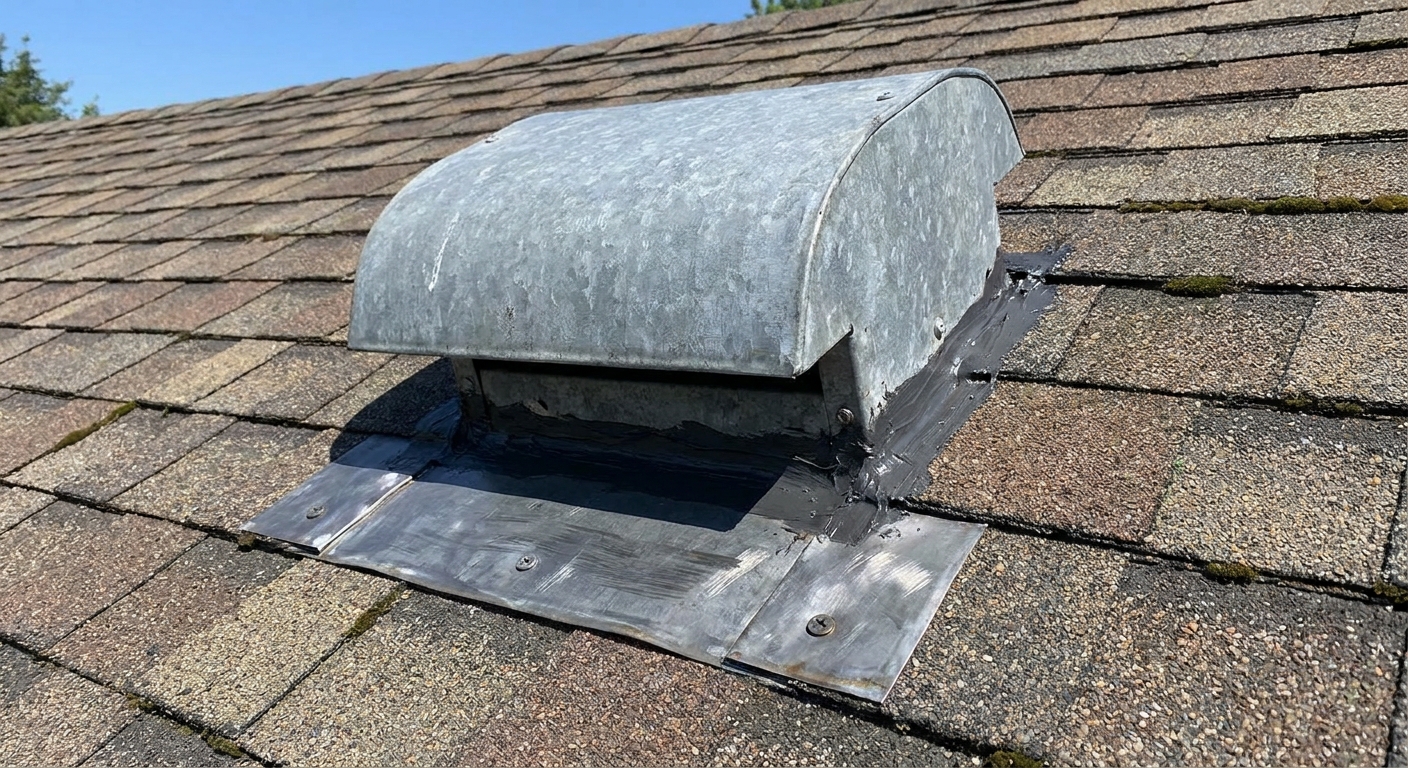
- Up and out through the roof. Common with island hoods or when there is no practical sidewall exit. Requires roof work and careful flashing.
Why short and straight matters
Every elbow and every extra foot of duct adds resistance. Resistance reduces real airflow at the capture point and can increase noise. When I am looking at hood performance problems, a duct run that is long, undersized, or full of tight turns is almost always part of the story.
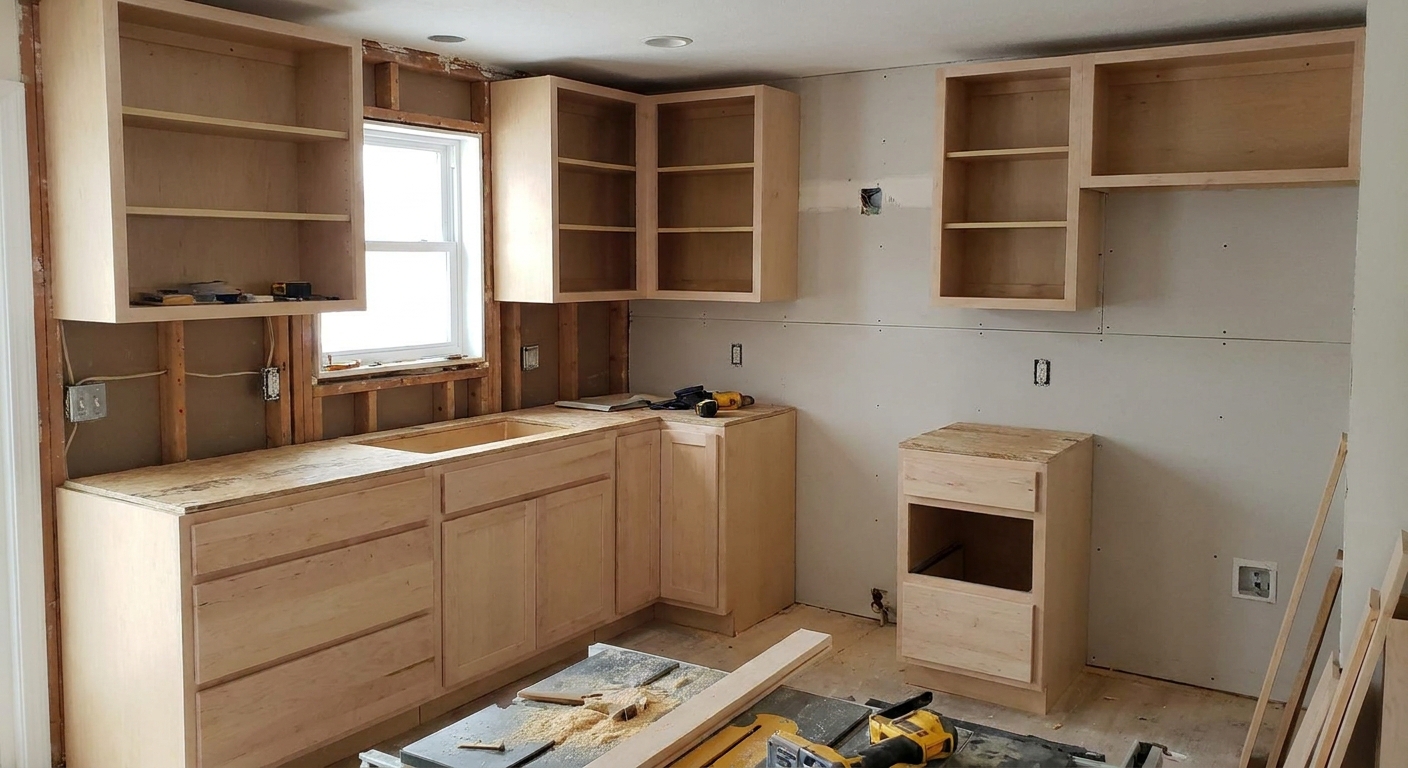
Practical remodel tip: plan the hood and duct route before you finalize upper cabinets, decorative hood surrounds, soffits, ceiling drops, or lighting locations. It is much cheaper to adjust drawings than it is to rework finished drywall.
Ducted install basics
If you are paying for a ducted hood, do not let the ductwork be an afterthought. This is where I see good hoods get dragged down by bad installs.
- Use smooth metal duct. Rigid metal is ideal. If you must use flex, keep it short and pulled tight, but avoid it whenever you can.
- Match the hood’s duct size. Do not step down because it is convenient. Undersized ducting is a performance killer.
- Seal joints and connections. Leaky joints dump grease and odors into cavities and reduce airflow where you need it most.
- Use a proper wall or roof cap. Look for a backdraft damper and a cap designed for kitchen exhaust, not a generic vent.
- Keep turns gentle. Fewer elbows beats more elbows. Wide-radius turns beat tight ones.
Makeup air
When you exhaust air out of the house, that air has to be replaced. In older leaky homes, replacement air sneaks in through gaps. In newer, tighter homes, it does not. That is where makeup air comes in.
When makeup air is required
In many U.S. jurisdictions that follow versions of the IRC or IMC, a makeup air system is required once a kitchen hood is rated at 400 CFM or higher. Some areas use different thresholds, different test methods, or enforce the rule differently. If you are anywhere near that number, talk to your contractor and confirm what your local inspector expects before you order equipment.
What makeup air can involve
- A dedicated intake duct bringing outside air in
- A motorized damper interlocked to the hood so it opens when the hood runs
- Sometimes tempered air (warmed or cooled) depending on climate and system design
This is not meant to scare you, just to keep you from being blindsided. I have watched homeowners pick a powerful hood late in the game, only to learn the permit set now needs makeup air and the scope expands into HVAC work.
Key point: Ductless hoods generally do not trigger makeup air requirements because they are not exhausting air outdoors.
Maintenance
Ducted hood maintenance
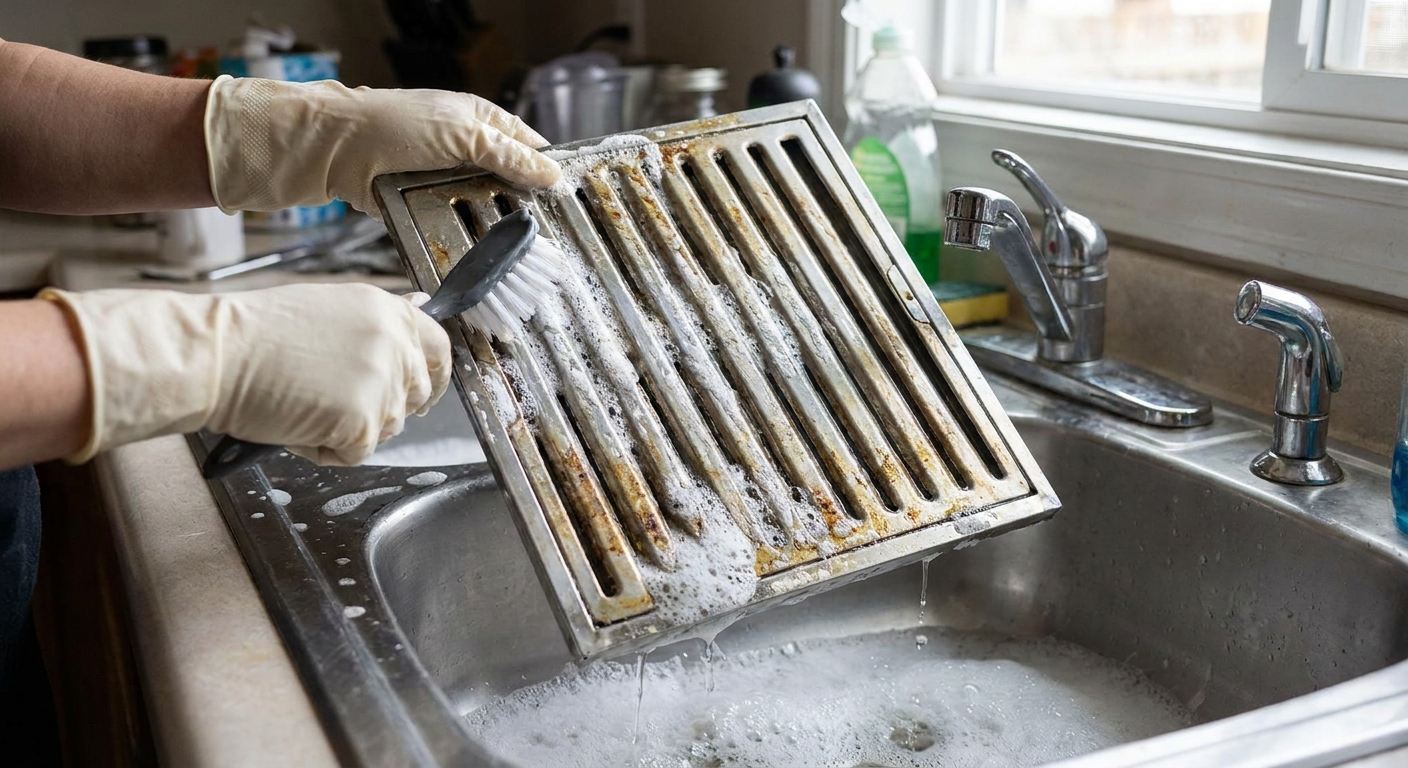
- Grease filters: Most baffle filters can go in the dishwasher. I usually tell clients to plan on monthly if you cook a lot, or every 2 to 3 months for lighter cooking.
- Ductwork: In typical home cooking, you are not routinely cleaning ducts like a restaurant, but keeping filters clean matters because it reduces grease accumulation in the hood and duct.
Ductless hood maintenance
- Grease filters: Same story, keep them clean or performance drops.
- Charcoal or carbon filters: These must be replaced on a schedule. Some brands suggest every 3 to 6 months. Real life: if odors start lingering again, your filters are telling you they are done.
If you know you are the kind of person who forgets filter changes, a ductless hood can become a noisy light fixture that moves air around but does not solve the actual problem.
When ductless makes sense
I am not anti-ductless. There are plenty of kitchens where ductless is the only realistic option, and a good ductless hood is still better than no hood.
Ductless makes sense when:
- You are in a condo or apartment and building rules prohibit exterior penetrations.
- Your range is on an interior wall and routing a duct to an exterior wall or roof would require major structural changes.
- You are remodeling a historic home where exterior changes are restricted.
- You cannot lose ceiling height to a soffit or chase and there is no clean duct path.
What ductless leaves behind
- Moisture: steam stays in the house.
- Some odor: filters reduce, they do not erase.
- Some grease residue over time: especially with high-heat cooking.
How to get better results from ductless
- Prioritize capture area: that means the hood actually covers the burners, especially the front burners, and has enough depth to grab the rising plume before it rolls into the room.
- Use it early: turn the hood on a few minutes before cooking and let it run after.
- Stay on top of filters: clean the grease filter regularly and replace carbon filters on schedule.
- Support it with ventilation: if possible, crack a window or use a nearby exhaust fan during heavy cooking.
Design and install details
Noise
Noise is influenced by blower design, duct resistance (for ducted), and how fast you run the fan. A ducted hood with a short, smooth duct run often feels quieter than a ducted hood fighting a long, twisty run. Ductless models can also be loud because the air is being pushed back into the room through tight filter media.
More than CFM
CFM matters, but it is not the whole story. Capture efficiency is about the hood’s shape, depth, and how well it covers the cooking surface. A slightly lower-CFM hood with better coverage and a clean duct run can outperform a bigger blower that cannot capture the plume.
Gas range note
If you cook on gas, ventilation matters even more. A ducted hood is the better solution when you can swing it. If you must go ductless, treat it as a compromise and be diligent about using the hood every time you cook and bringing in some fresh air during heavier cooking.
Cabinet and ceiling coordination
Whether your hood is under-cabinet, wall-mount chimney, insert, or island style, the remodel coordination is similar: you need to know the exact hood model early so the cabinetmaker and the installer can plan the right clearances, blocking, and electrical.
For ducted hoods, you also need the duct size and exit location locked in before cabinets and drywall close up the path.
Ordering checklist
If you take nothing else from this page, take this: the hood decision should be made while walls and ceilings are still on paper. Here is my pre-install checklist.
- Confirm venting type: ducted to outside or ductless recirculating.
- Confirm the exact hood model number: inserts and chimney hoods often have required accessories that vary by model.
- Choose the duct route (ducted): roof or wall termination, and the cleanest path with the fewest turns.
- Confirm duct size (ducted): match manufacturer requirements. Do not assume your existing duct is correct.
- Plan for makeup air (ducted): ask your contractor what your local code expects for your hood’s CFM and your home type.
- Verify electrical location: outlet or hardwire requirements and where it lands relative to cabinets and the chimney cover.
- Check cabinet coordination: upper cabinet depth, hood insert liner requirements, and any filler panels needed.
- Order filters and accessories now: especially carbon filters for ductless setups so you are not hunting for them later.
- Schedule the rough-in: get ducting, framing, and blocking in place before drywall, tile, or finished cabinetry closes everything up.
Done right, your hood becomes one of those invisible upgrades that makes the whole kitchen feel cleaner and more comfortable. Done late, it becomes the thing you are trying to hide with trim.