A practical breakdown of wet rooms vs. standard bathrooms, including design tradeoffs, waterproofing and slope requirements, comfort tips, maintenance realit...
If you have ever stood in a showroom staring at three nearly identical glass enclosures and wondered why one costs twice as much, you are not alone. Shower glass is one of those purchases that looks simple from the outside and gets very technical very fast. The good news is that choosing between framed, semi-frameless, and frameless is not a mystery. It is a match game between your bathroom layout, how level your walls are, how much maintenance you can tolerate, and what you want the room to feel like.
This guide walks you through the exact decision process I used as a kitchen and bath designer and project manager, including the small details that make or break an installation.
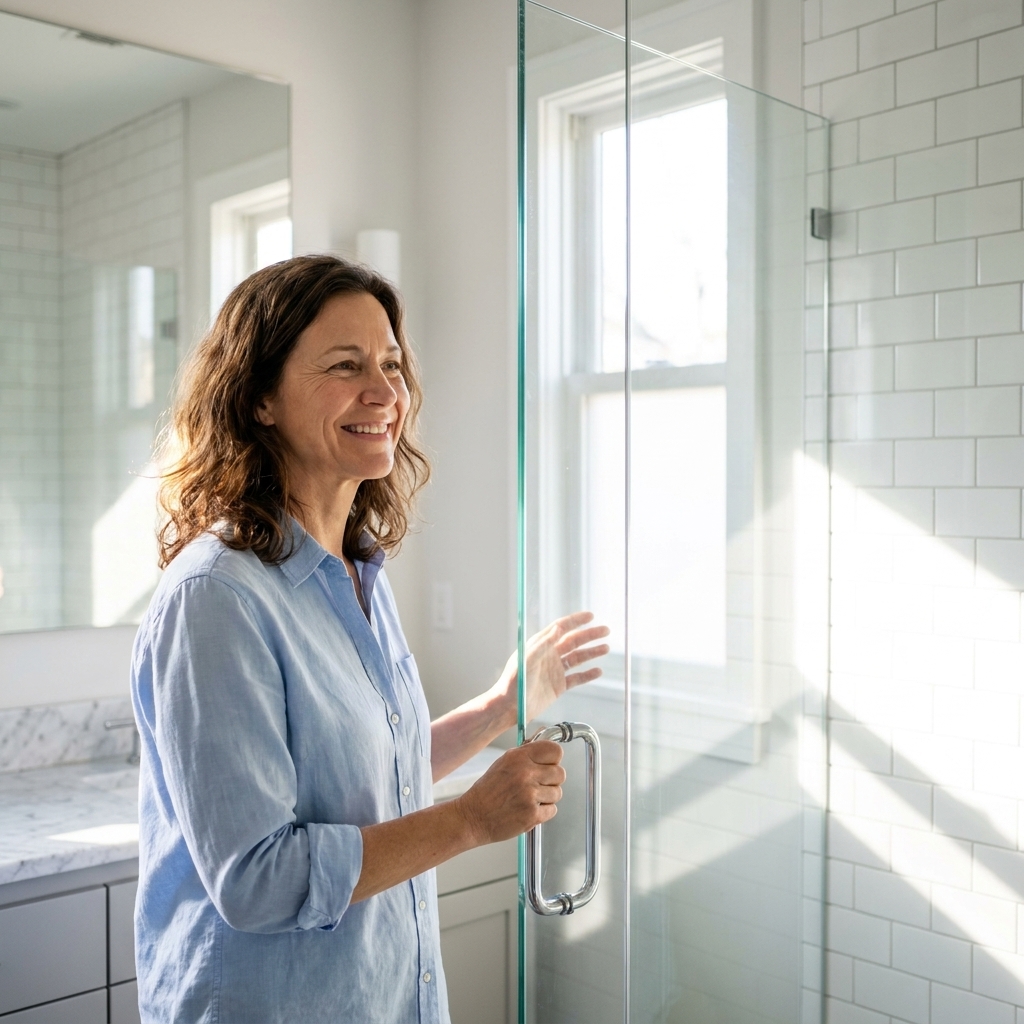
Step 1: Start with layout and swing
Before you fall in love with a style, confirm what your space can actually handle. Door style and clearances decide the enclosure type more often than aesthetics do.
Common shower layouts
- Alcove shower (3 walls): Usually a sliding door or a hinged door with a fixed panel, depending on width and clearance.
- Corner shower: Neo-angle, quadrant, or a simple corner entry with two glass panels.
- Walk-in (one open side): Often a fixed panel only, or a fixed panel plus a hinged door for better splash control.
- Tub-shower combo: Typically a framed or semi-frameless slider, or a single swing panel.
Measure real clearance
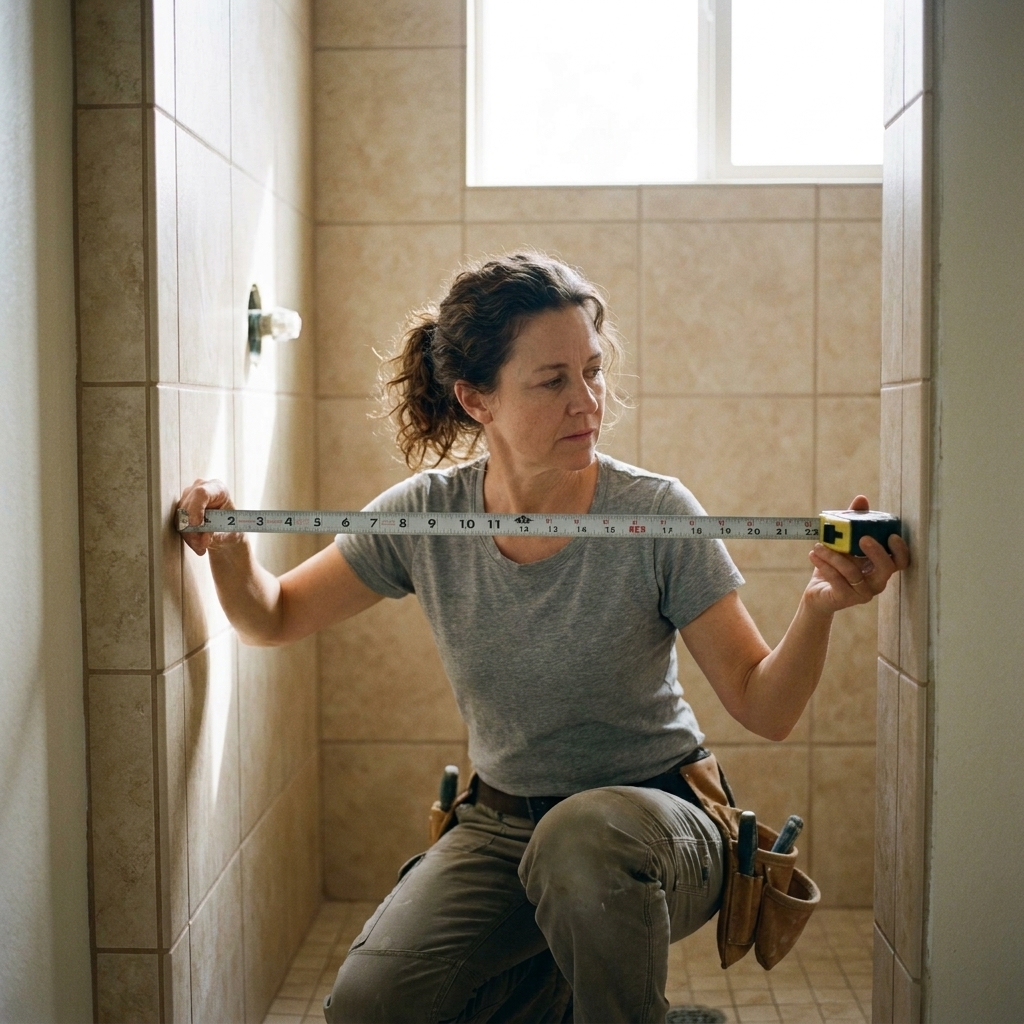
Open a tape measure and check:
- Toilet clearance: A hinged door that bumps a toilet tank is a daily annoyance.
- Vanity and drawers: Make sure drawers can open when the shower door is open, and vice versa.
- Walk path: You need comfortable shoulder room to step in and out without sidestepping around a door.
If a swing door is tight, a sliding door often pushes you toward framed or semi-frameless systems, simply because they manage water and alignment well across long openings.
Step 2: Know the terms
Marketing terms can be fuzzy. Here is the practical definition I use on jobsites.
Framed enclosures
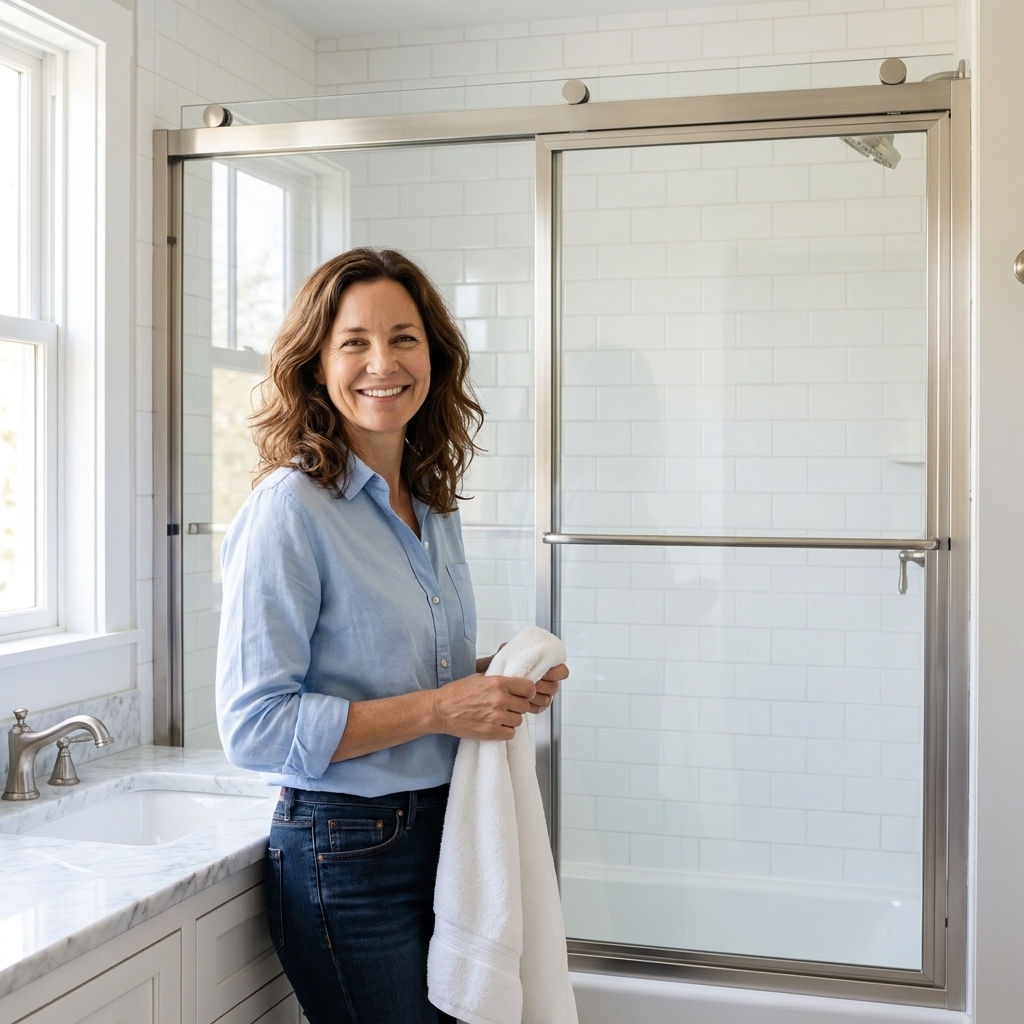
Framed means the glass is captured on all sides by metal framing. The door is framed too. This is the most forgiving style if your walls are not perfectly plumb or your curb has a slight pitch issue.
- Best for: Budget-friendly upgrades, tub-shower sliders, rentals, slightly out-of-square openings
- Tradeoffs: More metal to clean, a more traditional look
Semi-frameless enclosures
Semi-frameless usually means the panels are framed in some areas (often at the perimeter), but the door edge may be more glass-forward with minimal metal.
- Best for: A cleaner look without full frameless pricing, many sliding door setups
- Tradeoffs: Still has some channels and metal lines, hardware quality varies a lot by brand
Frameless enclosures
Frameless means thick tempered glass with minimal metal: hinges, clips, and sometimes a small U-channel. The glass edges are exposed, and alignment has to be spot-on.
- Best for: High-end remodels, showcasing tile, making small baths feel larger
- Tradeoffs: Typically higher cost, more dependent on perfect prep and a skilled installer
Step 3: Match goals to style
For an open, spa-like look
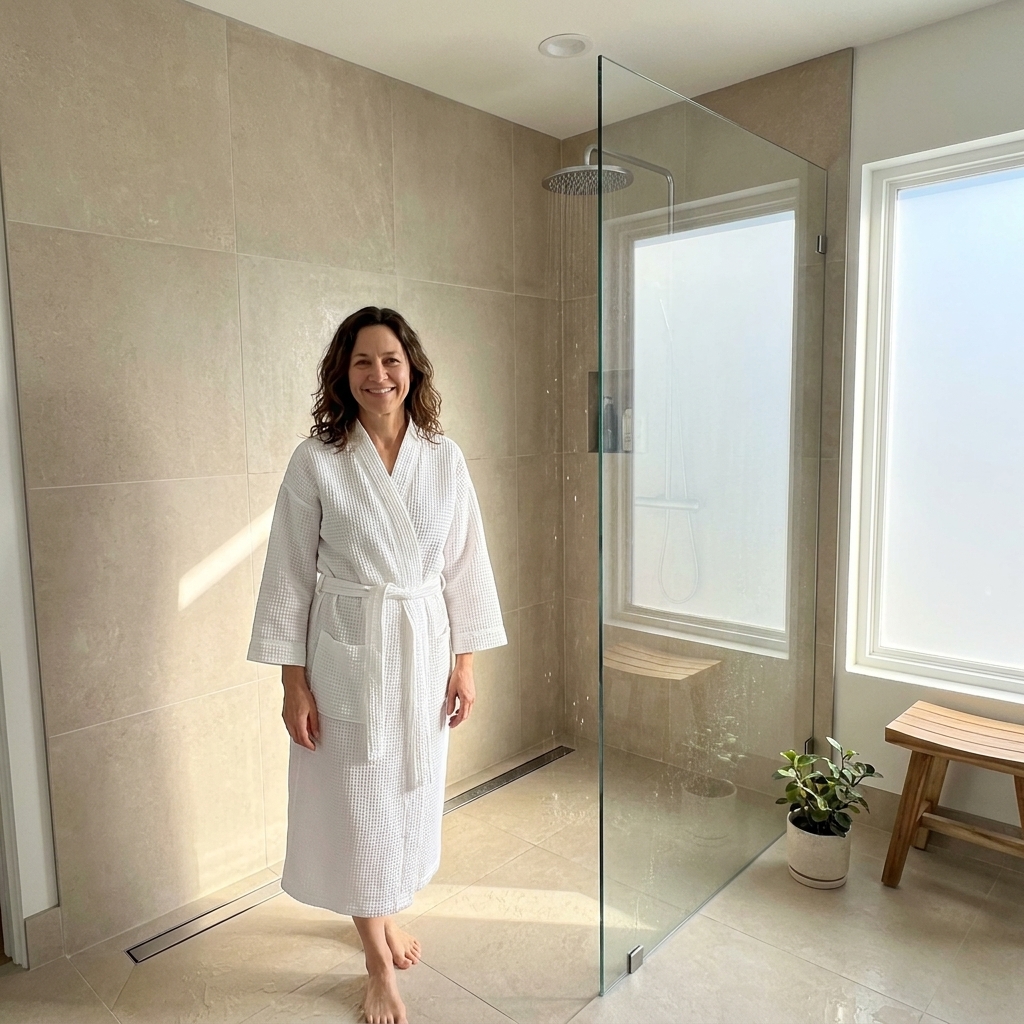
Go frameless, especially if you invested in tile, niches, or a beautiful shower valve trim. Frameless glass visually disappears, which makes the shower feel larger and lets the whole bathroom read as one continuous space.
For value and reliability
Go framed or a good semi-frameless system. You can still get a sharp, updated finish (matte black, brushed nickel, champagne bronze), but the framing helps with water control and reduces the need for perfect walls.
For low maintenance
This surprises people, but fully frameless is not automatically the easiest to live with. It has fewer metal channels, yes, but it often relies on tight clearances and seals. Meanwhile, framed doors have tracks that can collect soap and mineral buildup.
My practical take:
- Low mineral, softened water: Frameless can be very easy to keep looking crisp.
- Hard water and busy household: Semi-frameless often hits the sweet spot, especially with a sliding door and quality seals.
Step 4: Get specs right
Glass thickness
Most framed systems use thinner glass because the frame provides strength. Frameless relies on thicker glass for rigidity.
- Framed: commonly 3/16 inch to 1/4 inch tempered glass
- Semi-frameless: often 1/4 inch to 3/8 inch tempered glass
- Frameless: typically 3/8 inch or 1/2 inch tempered glass
Thicker glass generally feels more solid and premium, but it also means heavier doors and higher demands on hinges and wall blocking.
Tempered glass is required
Shower enclosures should be tempered safety glass. If it breaks, it crumbles into small pieces instead of dangerous shards.
Clear vs low-iron glass
Standard clear glass often has a green edge, especially noticeable on thicker frameless panels. Low-iron glass reduces that green tint and reads more true clear.
- Worth it when: You have white tile, bright grout, or a design where color accuracy matters.
- Skip it when: Your tile is darker, patterned, or you are prioritizing budget elsewhere.
Protective coatings
Many manufacturers offer factory-applied coatings that help repel water spots. They are not magic, but they can reduce scrubbing, especially with hard water.
Step 5: Check structure
This is the behind-the-walls part where my plumber-dad flashlight training kicks in. A gorgeous frameless door is only as good as the structure holding it.
Blocking for hinges and panels
Frameless hinges need solid anchoring. Ideally, your shower walls have wood blocking installed at hinge locations before tile goes up. If you are remodeling to the studs, tell your contractor early. If you are not, an installer can sometimes use specialty anchors, but blocking is the gold standard.
Plumb and level matter more with frameless
Frameless glass does not hide much. Out-of-plumb walls can lead to:
- uneven gaps that look sloppy
- doors that swing open or will not stay shut
- leaks at the strike side
Framed enclosures can compensate with adjustable channels and wider trims.
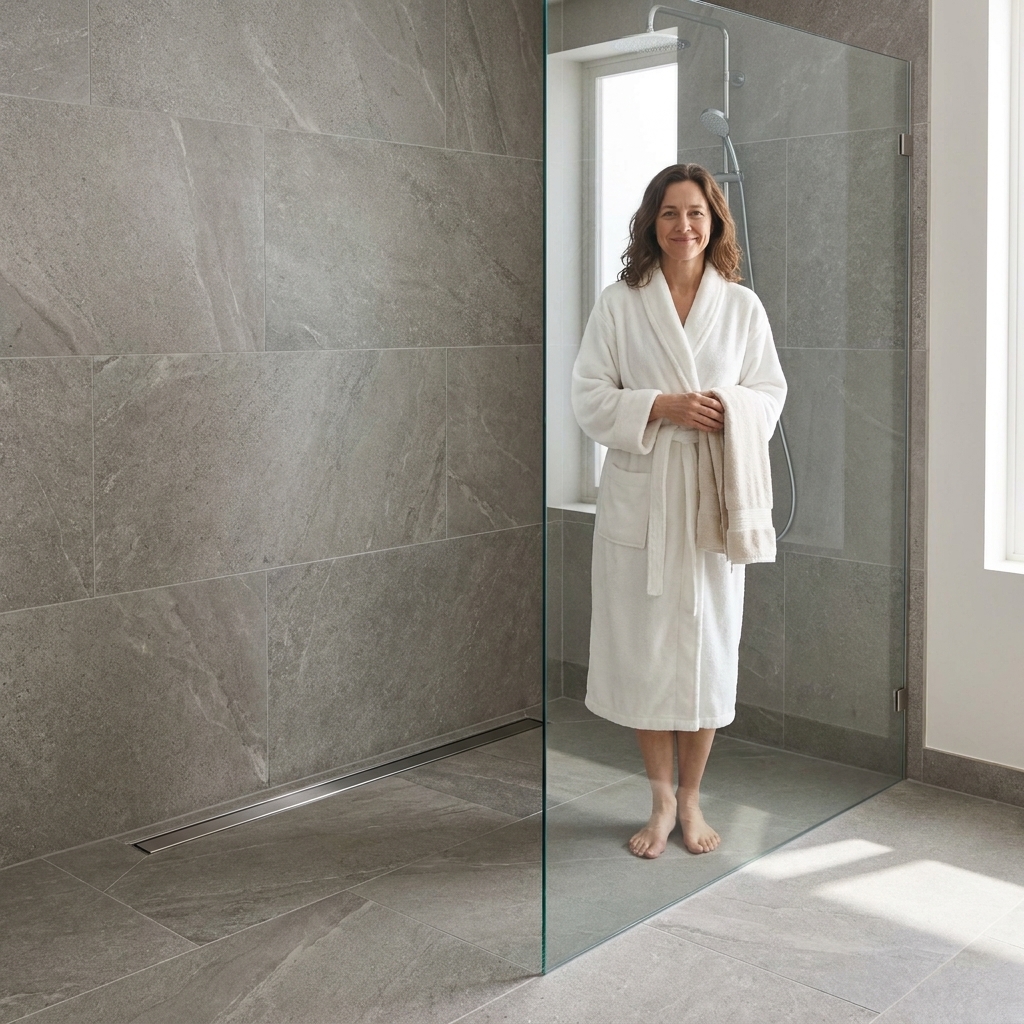
Curbless water control
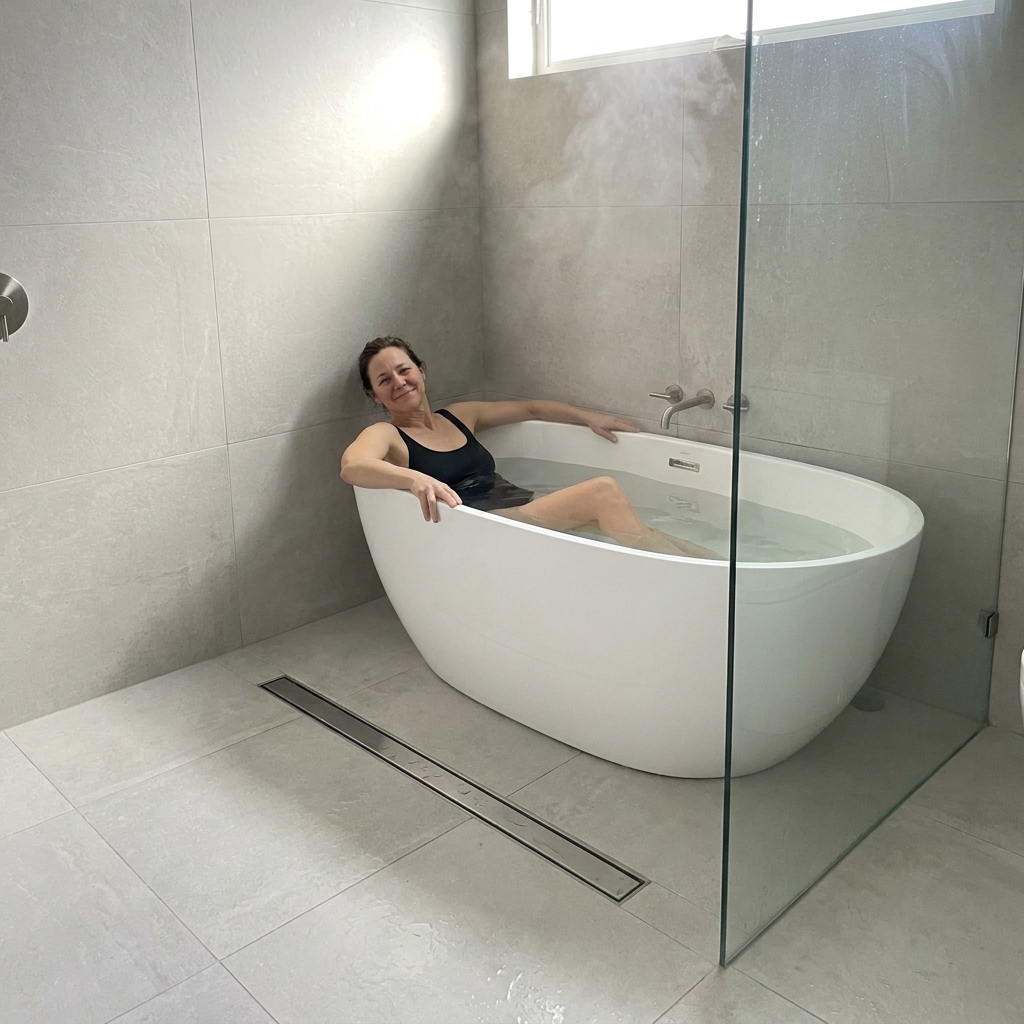
Curbless showers can be stunning, but they demand smart planning. If you want curbless plus frameless, make sure you have:
- proper slope to the drain
- strategic shower head placement (aim away from the opening)
- enough panel length to block spray
Quick comparison
- Best budget choice: Framed
- Best balance of cost and clean look: Semi-frameless
- Best high-end look and tile visibility: Frameless
- Most forgiving for imperfect walls: Framed
- Most open visual effect: Frameless
- Best for tub-shower combos: Framed or semi-frameless sliders
One more honest note: installation quality matters as much as style. A well-installed framed door will outperform a poorly installed frameless door every day of the week.
Hardware that matters
Finish
Match your enclosure finish to the rest of the bathroom metals if you can. Mixing can look intentional, but it has to be consistent. The most forgiving mixes are:
- brushed nickel with chrome
- matte black with black plumbing trim
- champagne bronze with warm lighting and warm-toned mirrors
Handle style
Long vertical pulls feel modern and are easier with wet hands. Small knobs look minimal but can be less comfortable for kids and guests.
Hinges and seals
For frameless doors, ask what hinge type is included and how water is managed at the bottom and strike side. A small clear sweep at the bottom is normal. If you hate the look of sweeps, talk to your installer about the best compromise, because removing them usually means more water outside the shower.
What drives cost
Pricing varies by region and opening size, but the cost drivers are pretty consistent:
- Glass thickness and type: 1/2 inch and low-iron cost more.
- Custom vs standard sizing: Custom is common for frameless and many semi-frameless installs.
- Door type: Hinged doors and complex corner layouts add hardware and labor.
- Notches and cutouts: Bench returns, pony walls, and unusual angles add fabrication cost.
- Coatings: Factory-applied protective coatings often add cost upfront.
If you need to keep the budget in check, my favorite strategy is: choose a semi-frameless enclosure, then upgrade one detail like a better finish, thicker glass, or a protective coating.
Cleaning and care
Daily habits that help
- Ventilation first: Run the fan during and at least 20 minutes after showers.
- Quick squeegee pass: Even 15 seconds reduces spotting dramatically.
- Keep bottles off the floor: Use a niche or corner caddy to prevent grime lines.
Hard water reality
If your area has hard water, you will see spots on any glass. Coatings help, but your biggest wins are ventilation and quick wipe-downs. Also consider a water softener if you are already investing in a whole-bath remodel.
Questions for installers
- Is this custom-measured after tile? For frameless, it should be.
- What glass thickness are you quoting?
- Is the glass low-iron or standard clear?
- How is it anchored? Especially for hinges and fixed panels.
- What is the warranty on hardware and glass?
- How do you handle out-of-plumb walls? Their answer tells you a lot about experience.
Common scenarios
Small bath that needs to feel bigger
Frameless with clear glass, minimal hardware, and a simple hinged door if you have clearance.
Kids bath or heavy daily use
Semi-frameless with a sliding door. Fewer splash issues, no door swinging into little foreheads, and generally sturdy.
Rental or tight budget
Framed in a modern finish. Spend your extra dollars on a great showerhead and a fan upgrade.
Curbless primary bath
Frameless fixed panel (or panel plus door), planned alongside drain placement and shower head direction.
FAQ
Do frameless showers leak more?
They can, but it is not inevitable. Frameless doors rely on tight gaps and well-placed sweeps. If the shower head sprays toward the door or the floor slope is off, you are more likely to see water outside.
Is semi-frameless worth it?
Often, yes. It usually delivers a cleaner look than fully framed while staying more budget-friendly than true frameless, and it can be a great fit for sliding doors.
Can frameless glass go on a fiberglass or acrylic base?
Sometimes, yes, as long as the base is designed for glass and the walls can support the hinge loads. Many frameless installs still need solid wall backing, even if the pan is pre-made.
Clear, frosted, or patterned glass?
Clear is the most timeless and makes the room feel bigger. Frosted or patterned glass adds privacy, but it also hides tile detail and can feel busier in a small bath. If privacy is your concern, consider a partial frosting rather than fully opaque glass.
Bottom line
Pick the enclosure that matches your space and your lifestyle, not just the prettiest showroom display. If your walls are not perfect or your budget is tight, framed and semi-frameless options can look fantastic and perform beautifully. If you want that high-end, seamless look and your shower is built square, level, and well-supported, frameless is hard to beat.