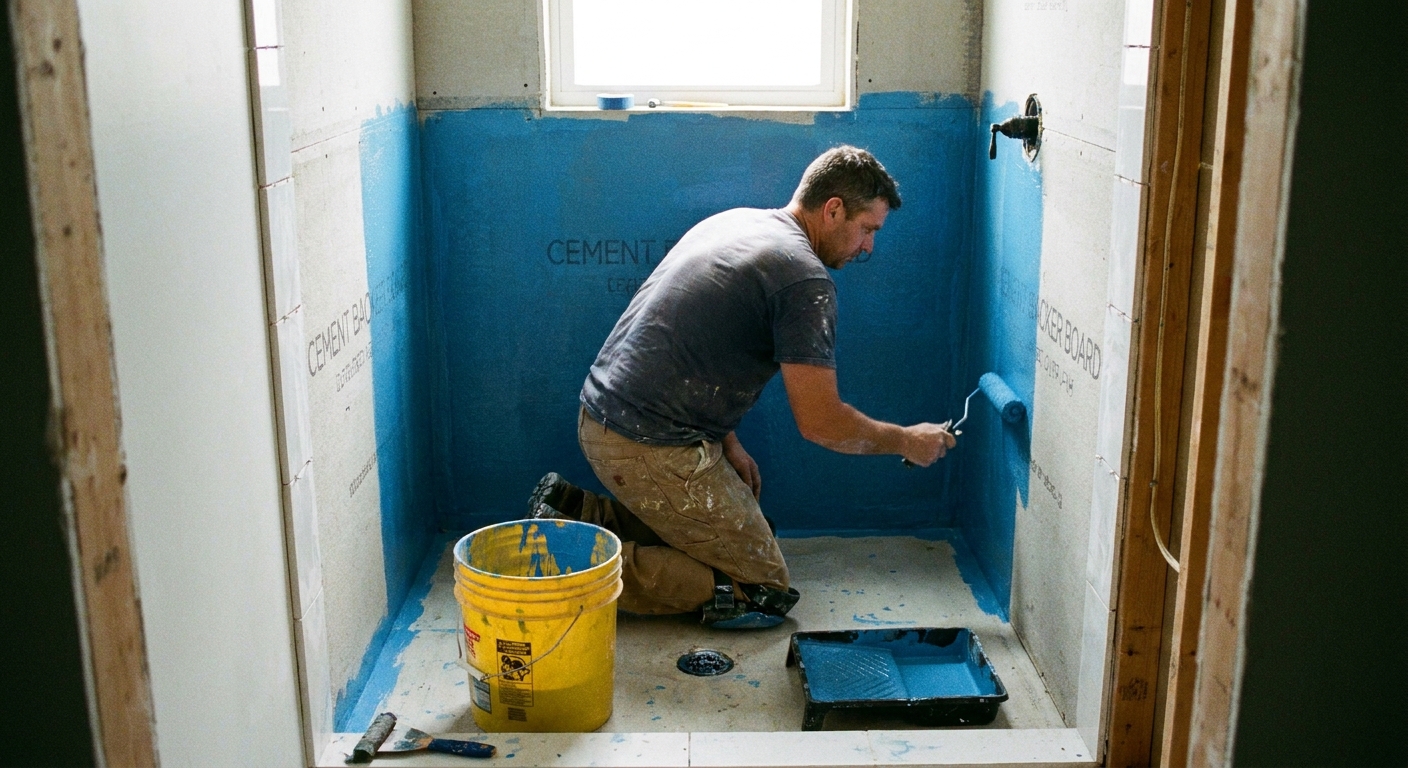
A step-by-step, contractor-level walkthrough of shower wall waterproofing: backer board, membrane, seams and corners, niche, valve and pipe seals, curb detai...
I grew up holding the flashlight for my dad under leaky tubs and behind access panels, so I tend to judge shower walls by one question: where does the water go when something isn’t perfect? Because in the real world, something eventually isn’t perfect. Acrylic surrounds and tile showers can both work beautifully, but they succeed in very different ways.
This guide stays focused on the wall system choice: one-piece or multi-piece acrylic surrounds versus cement-board or foam-board plus waterproofing plus tile. I’ll cover realistic cost ranges, how each stays waterproof, how long your bathroom is out of service, and what it’s like to live with each option after year five.
Quick primer: a one-piece surround has almost no seams but can be hard to physically get into the bathroom. A multi-piece kit is easier to carry upstairs and around corners, but seam detailing becomes the make-or-break point.
Boundary note: I’m talking walls. Shower pans and tubs are a separate decision that heavily affects waterproofing, cost, and schedule.
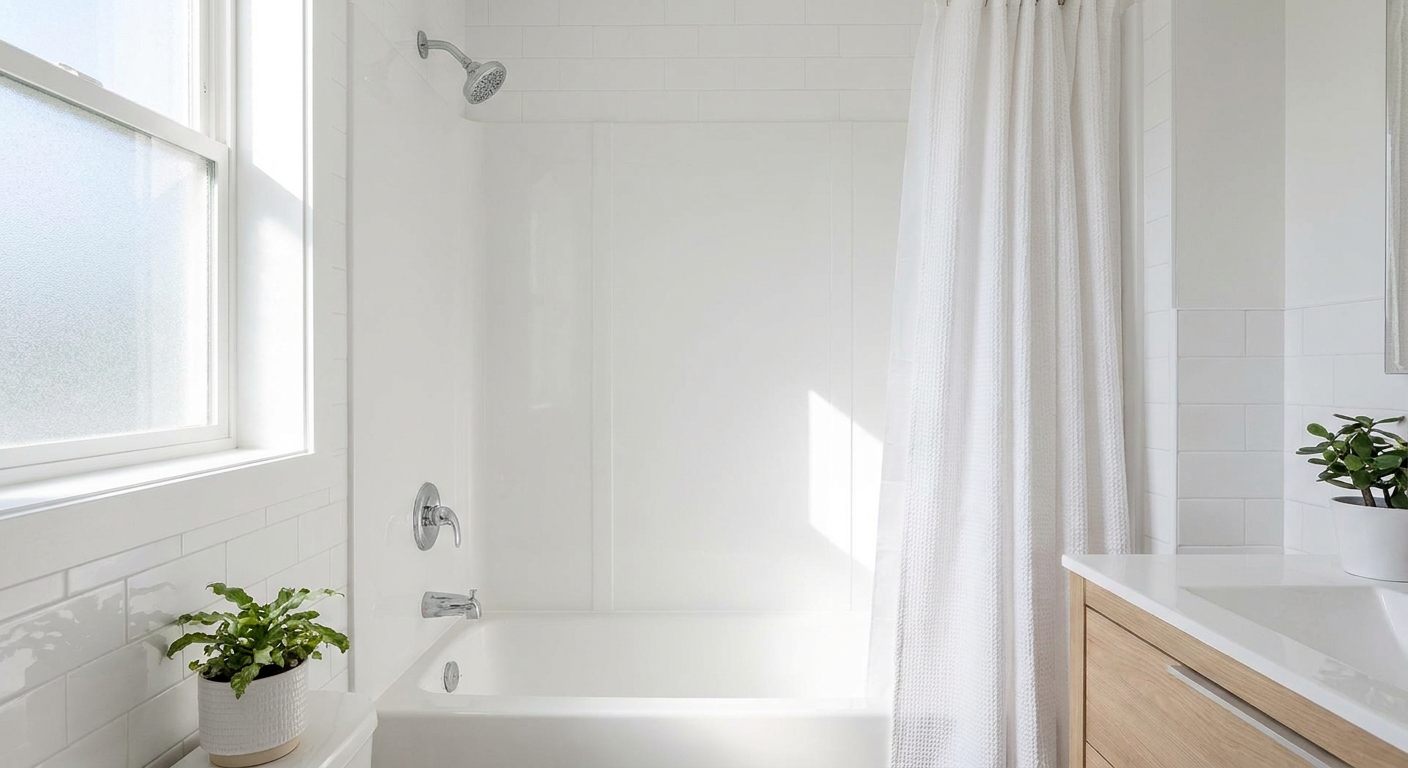
The quick takeaway
- Acrylic surround is usually the faster, lower-risk, lower-maintenance option for a standard alcove and a tight budget. It is especially strong for rentals and guest baths where you want reliability over customization.
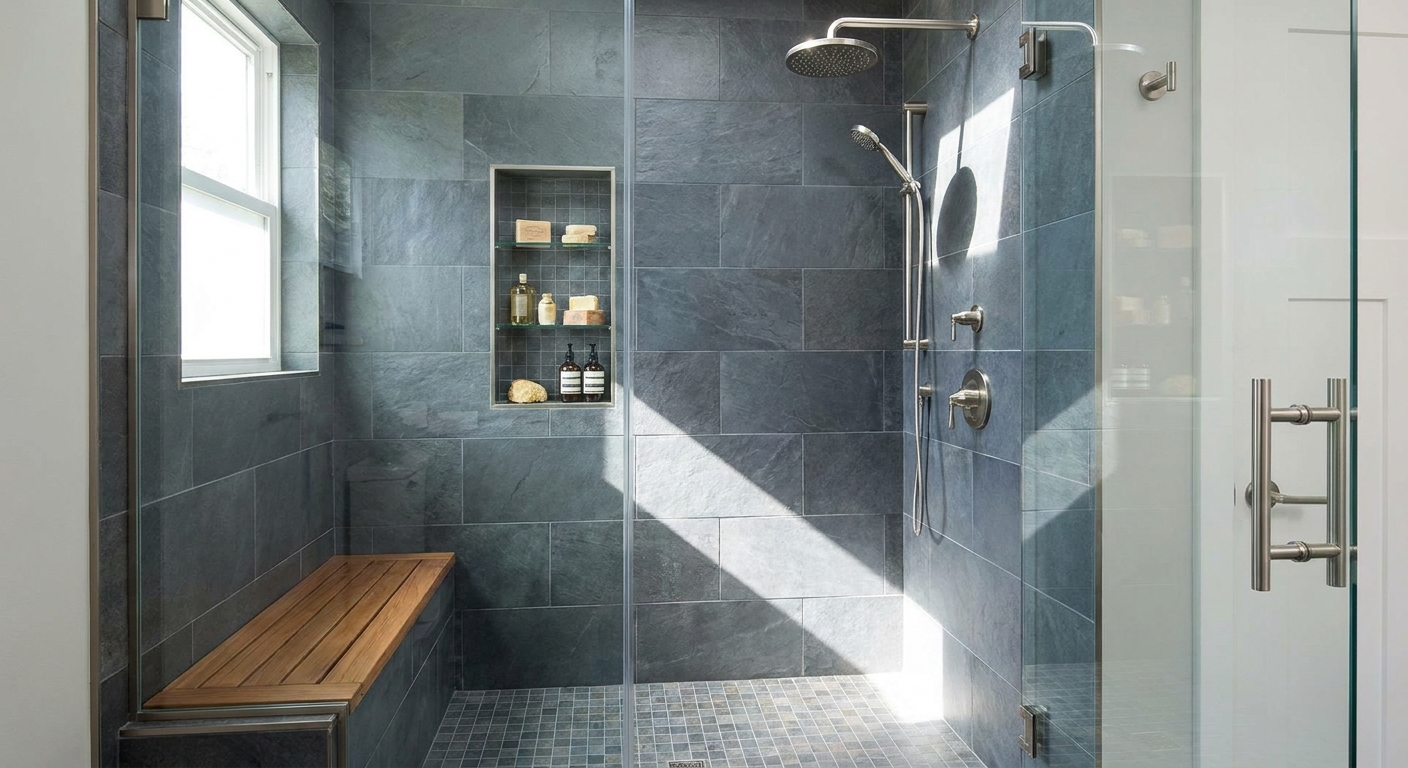
- Tile is the best choice when you need custom sizing, want a niche or bench exactly where you want it, or you’re building a long-term “forever shower” where design flexibility is worth the labor and downtime.
Installed cost: realistic ranges
Pricing varies wildly by region, access, and what you find when the walls come open. These are typical U.S. field ranges I commonly see for wall work, and they can swing materially by metro vs. rural pricing, union vs. non-union labor, and whether it’s a tub surround swap or a shower-only build.
Acrylic surround installed cost
- Typical installed range: $1,800 to $5,500 for an alcove tub-shower surround replacement (walls only), depending on demolition, wall repairs, plumbing trim updates, and whether it is a one-piece or multi-piece kit.
- Higher end: $5,500 to $9,000+ when you add a new shower pan, plumbing valve relocation, extensive water damage repair, or you choose a premium thick acrylic system with upgraded accessories and professional wall prep.
Material note: Acrylic surrounds themselves can be a few hundred dollars on the low end and a couple thousand on the high end. Labor and prep is where the budget usually goes.
Tile shower walls installed cost
- Typical installed range: $4,500 to $12,000+ for a tiled shower wall system in a standard alcove or shower footprint, including cement board or foam board, a true waterproofing method, tile, thinset, grout, and labor.
- Higher end: $12,000 to $25,000+ when you add a custom niche layout, bench, curved walls, specialty tile patterns, large-format tile that requires extra substrate flatness, premium tile, or intricate trim details.
Tile has more line items that cost money: backer board, waterproofing, tile, trim pieces, multiple setting materials, grout, sealer in some cases, plus significantly more labor hours.
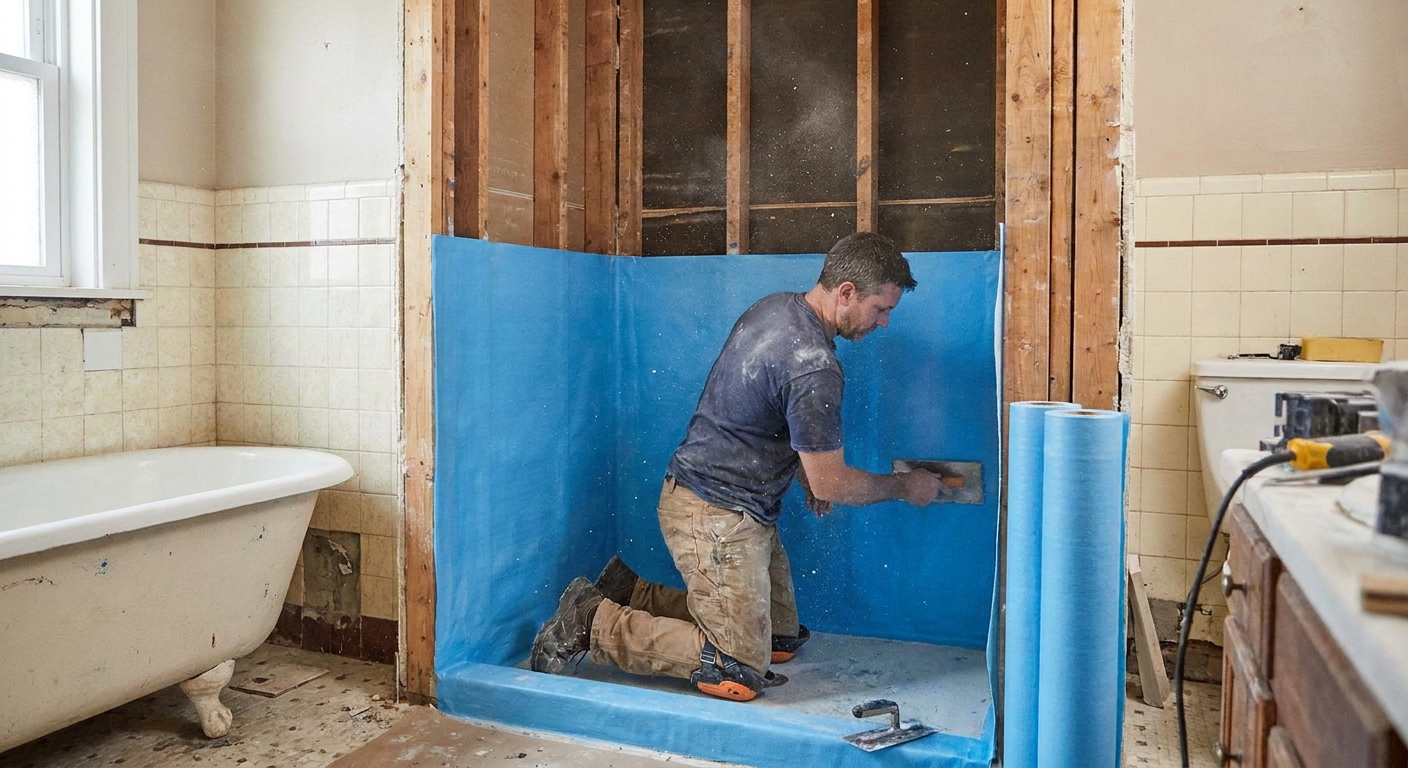
Waterproofing: how each system keeps water out
This is where acrylic and tile are not in the same category. Acrylic is a water-shedding surface with relatively few seams. Tile is the finish layer that depends on a waterproofing system underneath.
Acrylic surround waterproofing
An acrylic surround stays watertight primarily by:
- Large continuous panels that do not absorb water
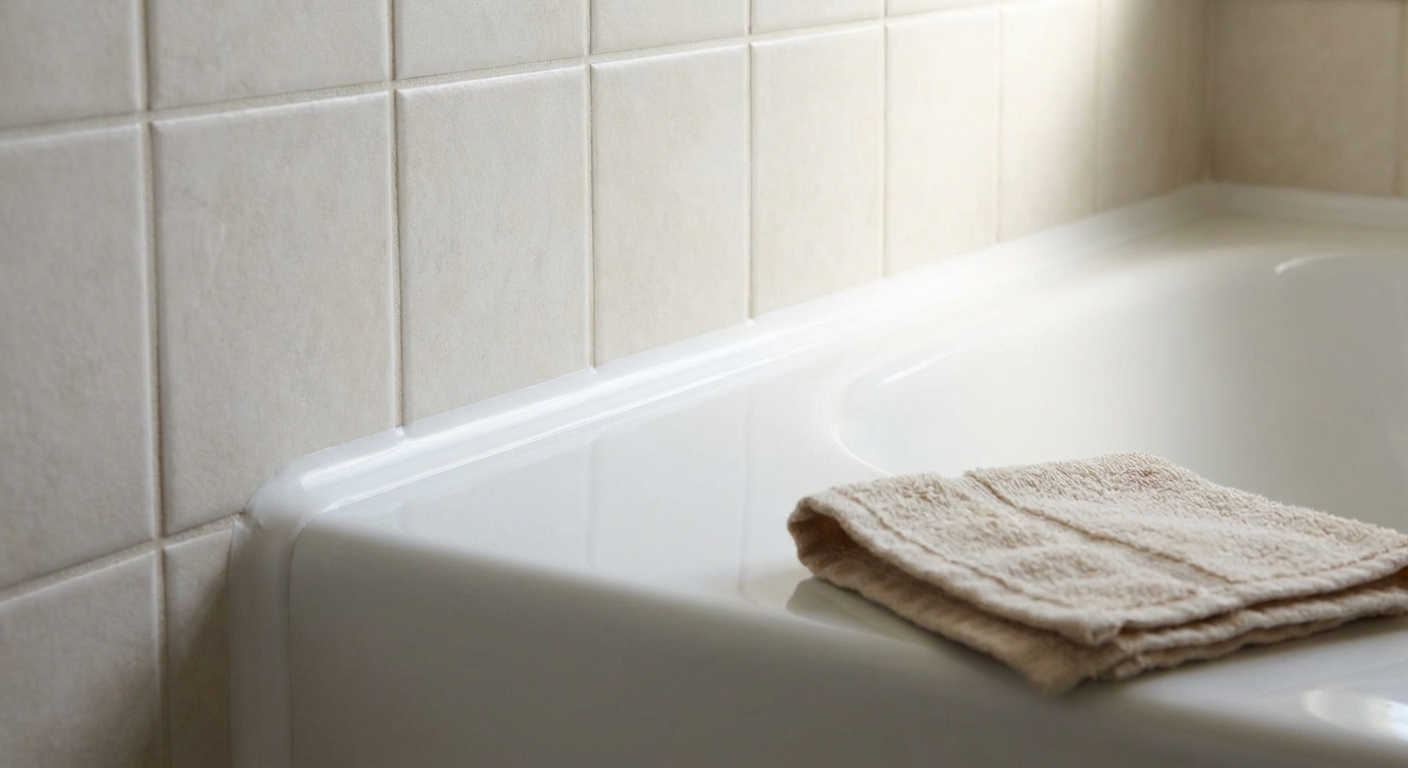
- Sealed corner seams (caulk or manufacturer-approved sealant)
- Flanges and overlaps where panels meet the tub or pan and where the wallboard meets the surround
- System-specific seam details that may use interlocking joints, sealant, and mechanical fastening (some systems use gaskets, many do not)
In plain terms, acrylic succeeds by having fewer joints. Fewer joints means fewer places for water to sneak in.
Common failure point: neglected or poorly done caulk at corners or at the tub or pan. Re-caulking is often a straightforward fix if the system is otherwise sound. If you can press on a panel and it feels spongy, see staining, smell persistent mustiness, or the panel is loose, do not assume caulk alone will solve it. At that point, you may be dealing with water behind the surround or failed adhesion, which needs a closer look.
Tile shower wall waterproofing
A tile shower is only as waterproof as the system behind the tile. A properly built tile shower relies on one of these approaches:
- Surface-applied waterproof membrane over cement board or foam board (liquid-applied or sheet membrane)
- Foam backer boards with sealed seams and penetrations
- Traditional behind-the-board moisture barrier in some builds, though it is easier to execute poorly and harder to verify after the fact
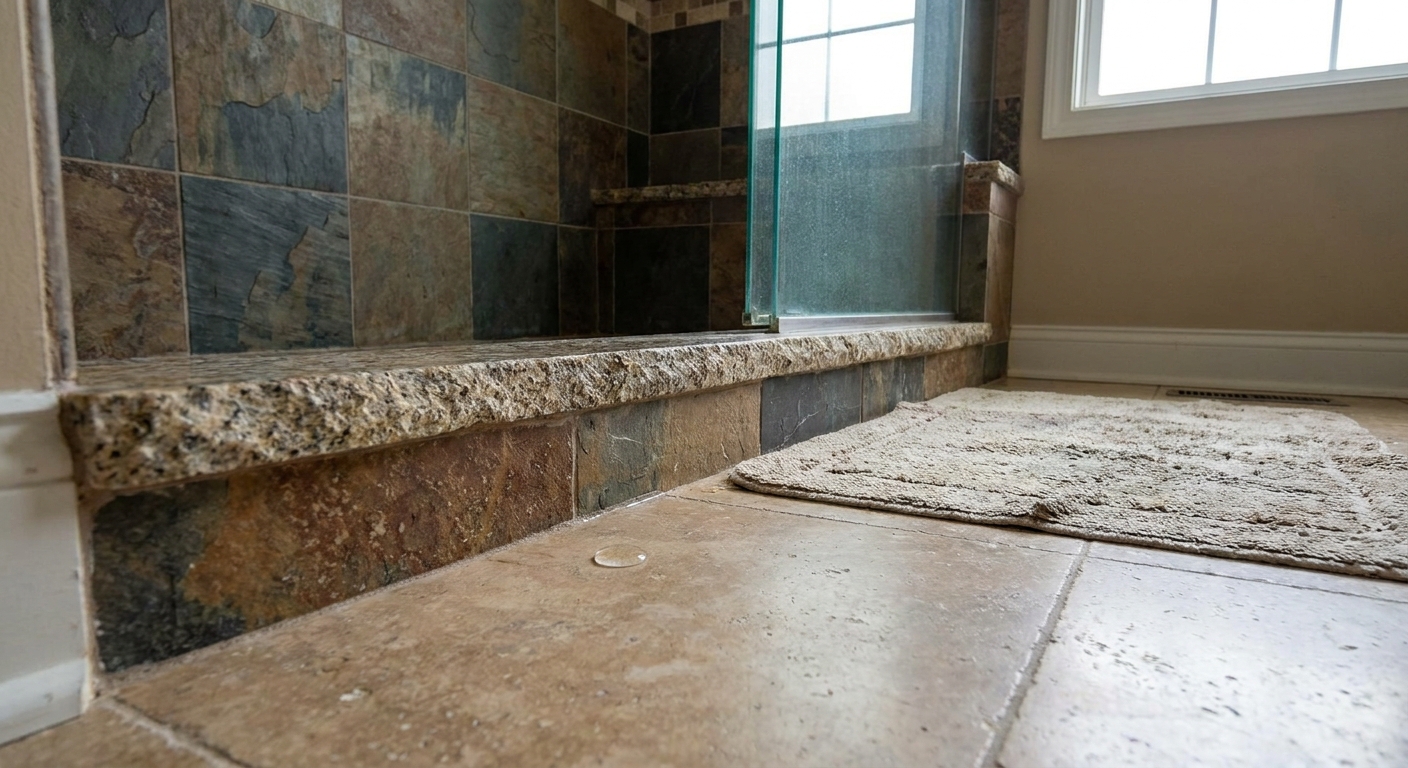
Common failure points: corners, niches, benches, and plumbing penetrations where waterproofing is interrupted. Tile can last decades, but only if the waterproofing is continuous and tied correctly into the pan or tub flange.
If you want tile, my strongest advice is to hire the installer, not the tile. A great waterproofing installer can make basic tile last. A sloppy waterproofing install can make expensive tile fail.
Standards note: whichever route you choose, follow the manufacturer’s installation instructions. For shower-only builds, ask whether the contractor flood-tests the pan when applicable and allowed by your local inspection process.
Bathroom downtime: days without a shower
Time matters, especially when it is the only full bath in the house.
Acrylic surround timeline
- Typical downtime: 1 to 3 days for a straightforward tear-out and install, assuming no hidden damage
- Why it is faster: fewer steps, no tile setting time, no grout curing time
Same-day or two-day installs can happen with ideal conditions. But if studs are damaged, the tub flange area needs repair, or you need drywall finishing and paint, it can stretch longer. Also, adhesives and sealants still need cure time, so ask when the shower can actually be used. Installed and ready for daily showers are not always the same day.
Tile shower wall timeline
- Typical downtime: 5 to 14 days for the wall system in many standard jobs
- Schedule reality: 2 to 3+ weeks is common when crews are stacked, inspections are involved, or a shower pan is being rebuilt
- Why it is slower: substrate prep, waterproofing, cure time, tile setting, grout, and often a final cure window before regular use
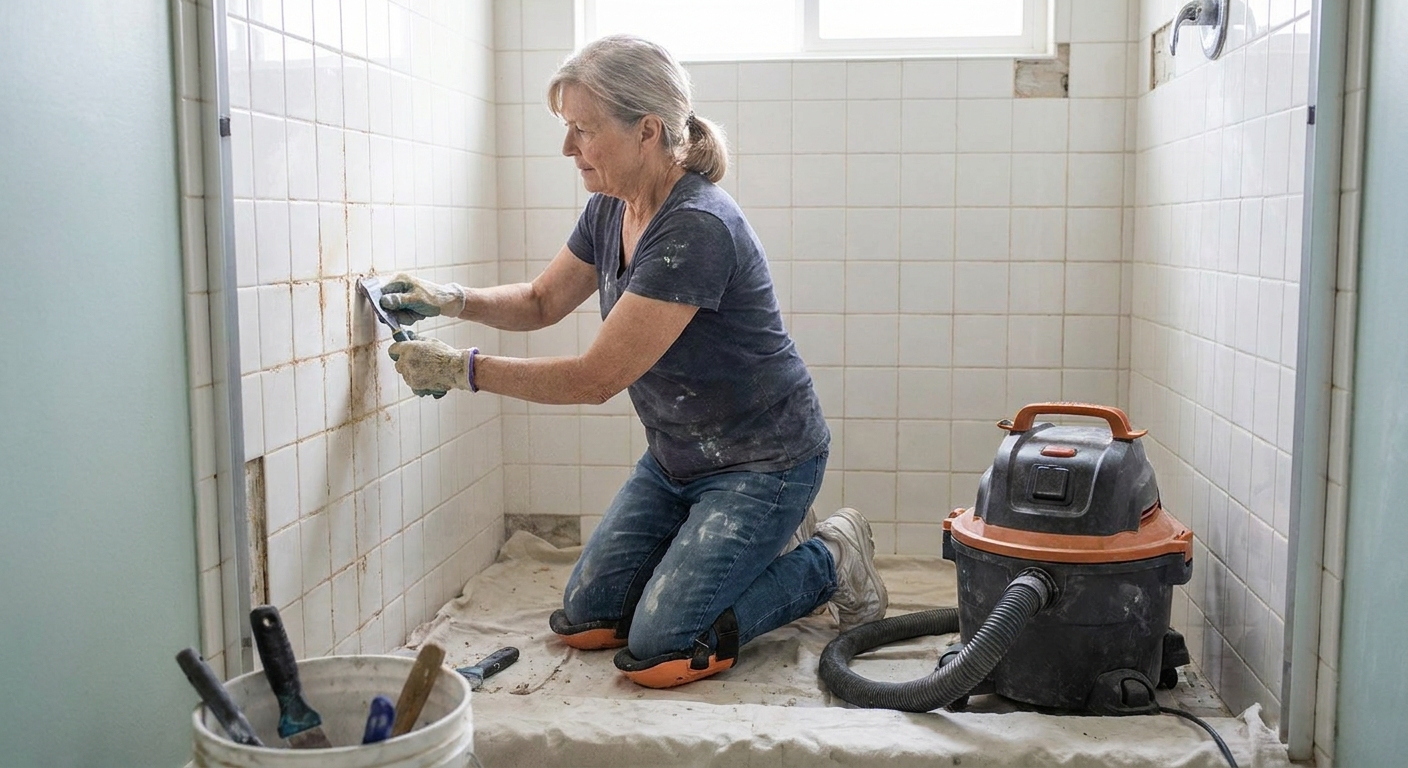
If you are living through the remodel, tile also tends to mean more dust days and more trips in and out of the house by trades.
Life after year five: cleaning and repairs
Most showers look great in year one. The difference shows up once the honeymoon phase ends and the shower has seen thousands of hot-and-cold cycles.
Acrylic surround maintenance after year five
- Cleaning: usually simple. Non-abrasive cleaner and a soft cloth is the routine.
- What you will likely maintain: caulk joints. Plan to re-caulk corners and seams as needed, often every few years depending on movement and cleaning habits.
- What you cannot spot-fix easily: deep scratches, burns, or cracks. Some can be repaired with kits, but a bad crack can push you toward panel replacement.
Longevity expectations: A good acrylic surround can last 10 to 20+ years. In rentals, I’ve seen them last a long time simply because the cleaning is straightforward and there are fewer grout joints to neglect.
Lived-in detail: Thin panels can telegraph wall problems. If your framing is out of plumb or your studs are wavy, you can end up with a surround that flexes or looks rippled. Good installers fix the wall, not just the finish.
Tile shower maintenance after year five
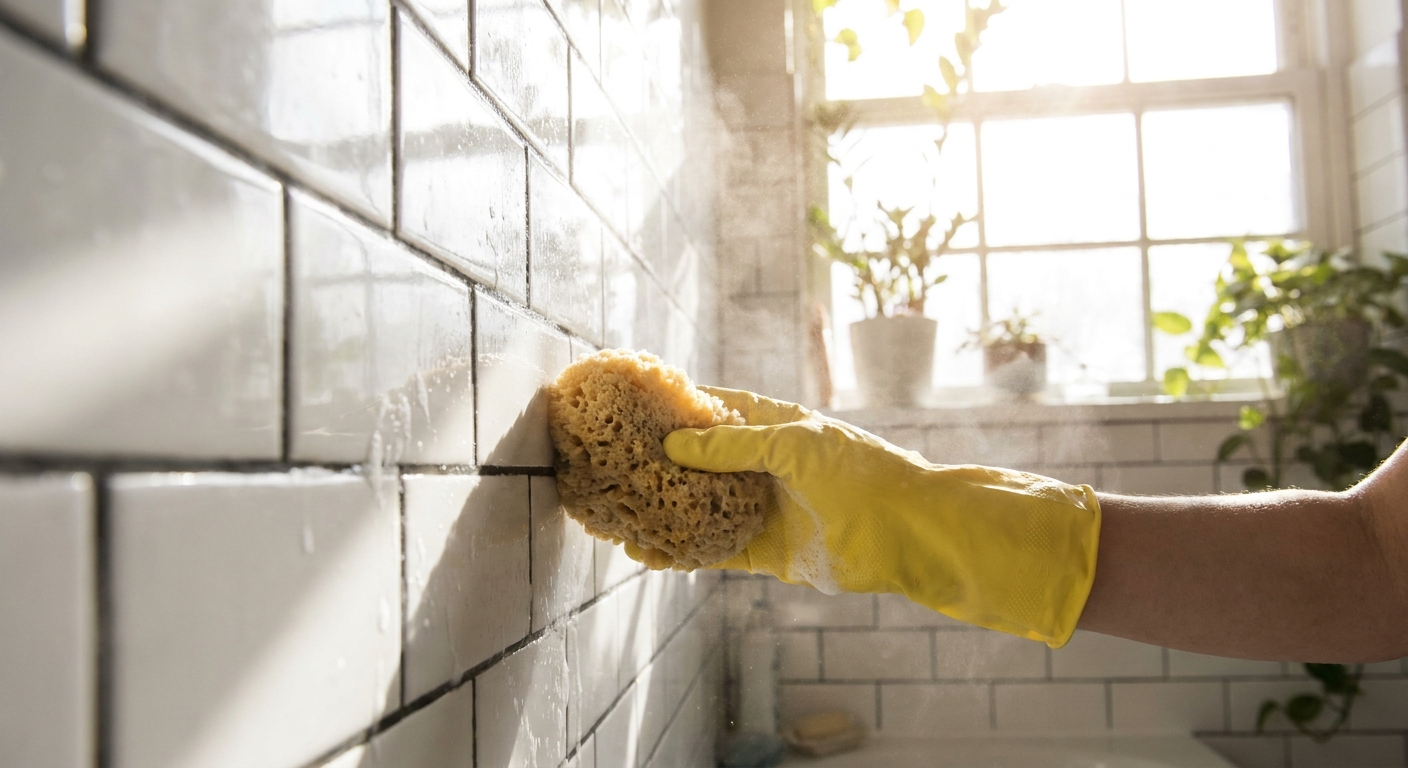
- Cleaning: depends heavily on grout type and tile texture. Grout lines are the work. Small tiles mean more grout to scrub.
- What you will likely maintain: periodic caulk replacement at changes of plane (corners and where wall meets pan). Also expect occasional grout touch-ups over time.
- Sealing: some grout and some natural stone benefit from sealing. Many modern grouts reduce or eliminate this, but it depends on what was installed.
- Repairs: individual cracked tiles can often be replaced, but if the crack is from movement or waterproofing issues, it can be a symptom rather than a one-off problem.
Longevity expectations: Tile itself can last decades. The variable is whether the waterproofing and detailing were done right and whether the shower is maintained so water is not constantly driven into vulnerable joints.
When acrylic is the better choice
I recommend acrylic surrounds most often when the goal is a dependable shower with minimal downtime and predictable maintenance.
- Rental properties: Fewer failure points, faster turns between tenants, and less grout maintenance. If you have ever tried to get hardened soap scum out of grout before a move-out inspection, you know why.
- Tight budgets: Acrylic typically achieves “new and clean” at a lower installed cost because labor is lower.
- Stock alcove sizes: If you have a standard 60-inch tub or an alcove shower footprint that matches common panel kits, acrylic is a natural fit.
- Only-bathroom situations: If you cannot be without the shower for a week, acrylic’s speed is a major advantage.
Watch-outs: One-piece units can be fantastic, but they can be tough to get into a second-floor bath or through tight hallways. Multi-piece systems are more flexible for access, but seams become more important to execute correctly. Either way, ask about blocking if you want future grab bars. It is cheap to add while the walls are open and much harder later.
When tile is worth the labor
Tile is the right call when you want the shower to fit your space and your routine, not the other way around.
- Custom niches: You can place a niche exactly where your shampoo bottles and razors actually live, and size it to fit.
- Benches and ledges: Tile lets you build a comfortable bench height, add a foot ledge for shaving, or create a slim storage ledge without relying on add-on accessories.
- Odd openings or custom dimensions: If the shower is wider, taller, or shaped in a way no surround kit fits, tile adapts.
- Design-driven bathrooms: If the shower is the focal point, tile gives you the texture, pattern, and color range acrylic cannot match.
- Aging in place: Tile walls also make it easy to plan blocking and layouts for grab bars, a bench, and handheld shower placement, as long as it is framed and blocked correctly up front.
My honest caveat: Tile is not automatically better. It is better when it is built like a system, not just covered in pretty materials.
How to decide in 10 minutes
Choose acrylic if you say yes to most of these
- This is a standard tub-shower alcove or standard shower footprint
- I need the bathroom back fast
- I want low maintenance and easy cleaning
- I am optimizing for cost and reliability
- I do not need a custom niche or built-in bench
Choose tile if you say yes to most of these
- I want a niche, bench, or ledge that is built-in and intentional
- My shower opening or wall sizes are not standard
- I care about the exact look, layout, and grout line style
- I can handle longer downtime and more labor cost
- I am hiring someone with proven waterproofing experience
Control cost without risking leaks
Whether you choose acrylic or tile, the goal is to spend on the parts that prevent leaks and future tear-outs.
- Do not cut corners on wall prep. Flat, solid walls matter for both acrylic (to avoid flex and waviness) and tile (to avoid lippage and cracking).
- Keep plumbing locations where they are if possible. Moving valves and heads adds time and opens more wall, which increases cost.
- If you pick tile, choose a simpler layout. Straight-set tile is cheaper than herringbone, mixed mosaics, or intricate borders.
- Consider larger tiles thoughtfully. Larger tile can mean less grout to clean, but it demands flatter walls and careful installation.
- Prioritize a proven waterproofing system. Ask what system the installer uses and how they treat corners, niches, and penetrations.
FAQ
Is acrylic or tile more waterproof?
In day-to-day reality, acrylic is more forgiving because it has fewer joints and it does not absorb water. Tile can be just as waterproof, but only when the waterproofing system behind it is installed correctly and continuously.
Does acrylic look cheap?
Some budget surrounds do, especially thin panels with minimal detailing. Higher-quality acrylic surrounds with clean lines, integrated shelving, and crisp trim can look simple and modern. The biggest “cheap” giveaway is often poor caulk work and mismatched fixtures, not the material itself.
How long does a tiled shower last?
Tile can last for decades, but the real determinant is the waterproofing and detailing. A well-built tile shower can go 20 to 30+ years. A poorly built one can fail in a few years, sometimes without obvious warning signs until the damage is significant.
Can you add a niche to an acrylic surround?
Not in the same way. Some surrounds have molded shelves or accessory kits, but you generally cannot carve out a custom recessed niche like you can with tile and proper waterproofing.
What is the most common reason showers leak?
For acrylic, it is usually failed caulk, a seam issue, or movement that opens up a joint. For tile, it is most often a waterproofing break at corners, niches, benches, or plumbing penetrations, or a pan-to-wall connection that was not detailed correctly. Grout problems usually matter because they let more water through to the waterproofing layer. They are not supposed to be the waterproofing.
Is acrylic the same thing as fiberglass?
No, and shopping gets confusing fast. People often lump acrylic, fiberglass, ABS, and solid-surface systems into the same bucket. They can look similar in photos but differ in thickness, stiffness, scratch resistance, and price. If you care about feel and longevity, ask what the panels are made of and how thick they are, and read the manufacturer cleaning and warranty rules.
My contractor-brain conclusion
If you want the lowest-stress path to a clean, durable shower in a standard alcove, acrylic is hard to beat. If you want a shower that’s designed to your body and your storage needs, and you are willing to pay for labor and live with longer downtime, tile earns its keep.
Whichever direction you go, ask your installer to walk you through how water is managed behind the finished surface and how the system ties into the tub or pan. If they can explain that clearly, you are usually talking to the right person.