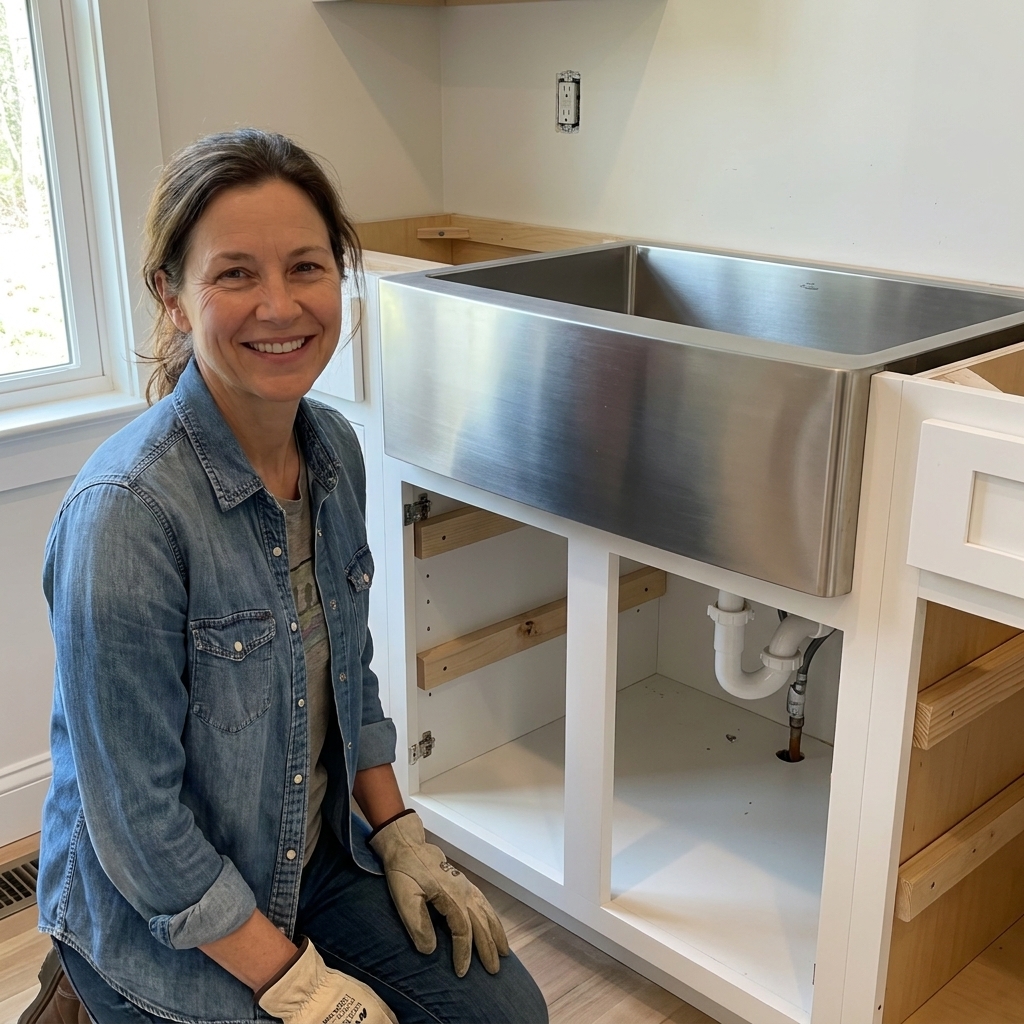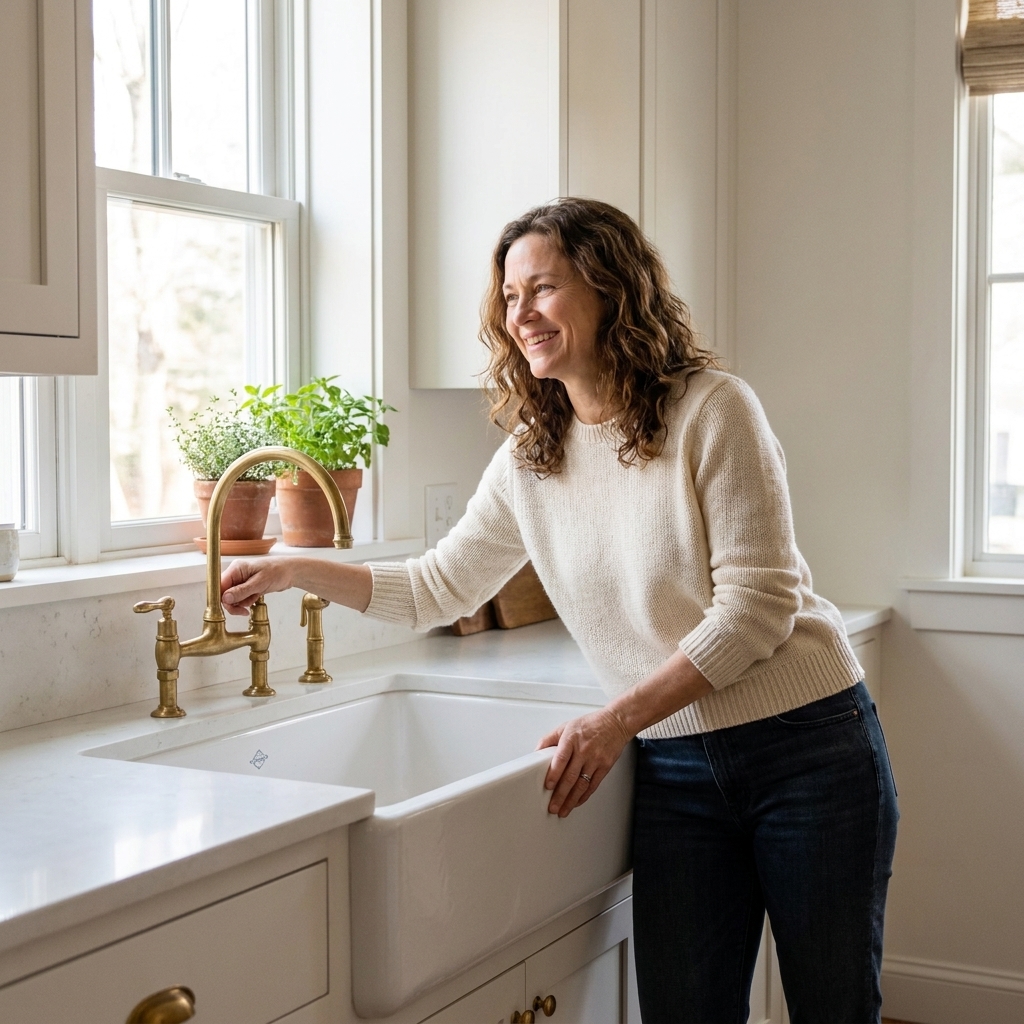
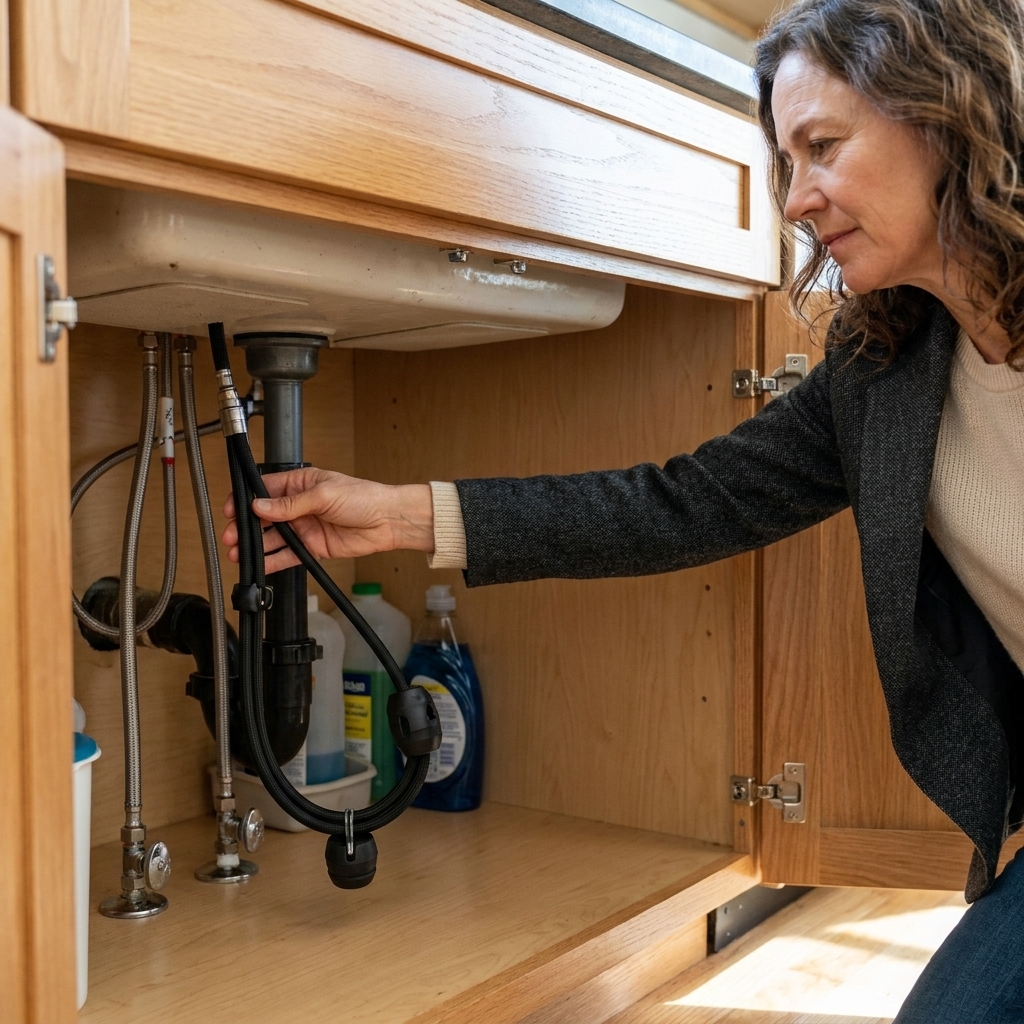
Step-by-step instructions to shut off the water, remove an old corroded faucet, and install a pull-down kitchen faucet. Includes tool list, stuck-nut tricks,...
I grew up holding the flashlight for my dad under kitchen sinks, which means I’ve seen the same debate play out for decades, just with better lighting and nicer faucets: one big basin or two smaller ones?
The truth is, there isn’t a universally “better” choice. There’s the layout that matches how you cook, clean, and live. Below, I’ll break down how single-bowl and double-bowl sinks perform for prep, soaking sheet pans, managing a garbage disposal, and fitting into standard base cabinets so you can pick with confidence.
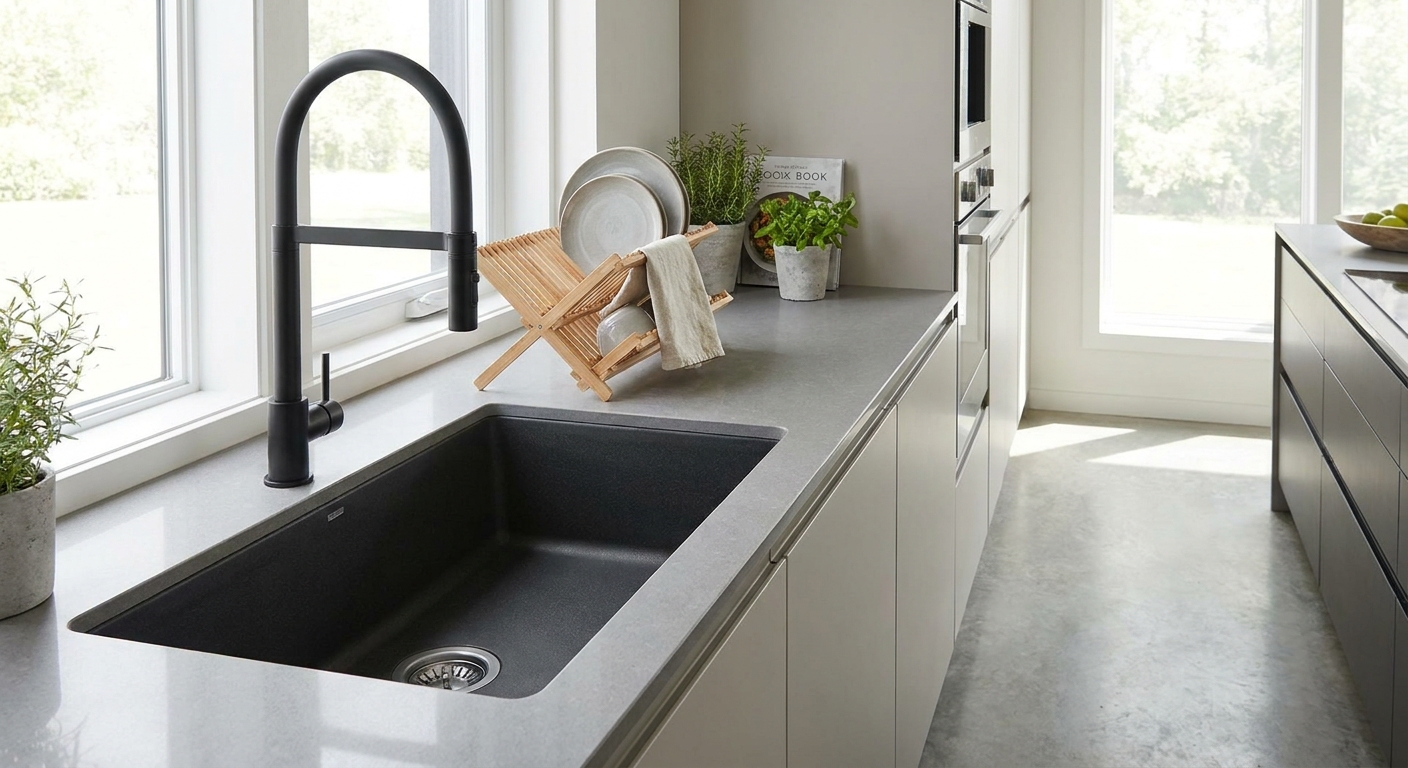
Quick definitions
Single-bowl sink: One open basin. The basin can be shallow or deep, and the sink can be compact or very wide, but there is no divider.
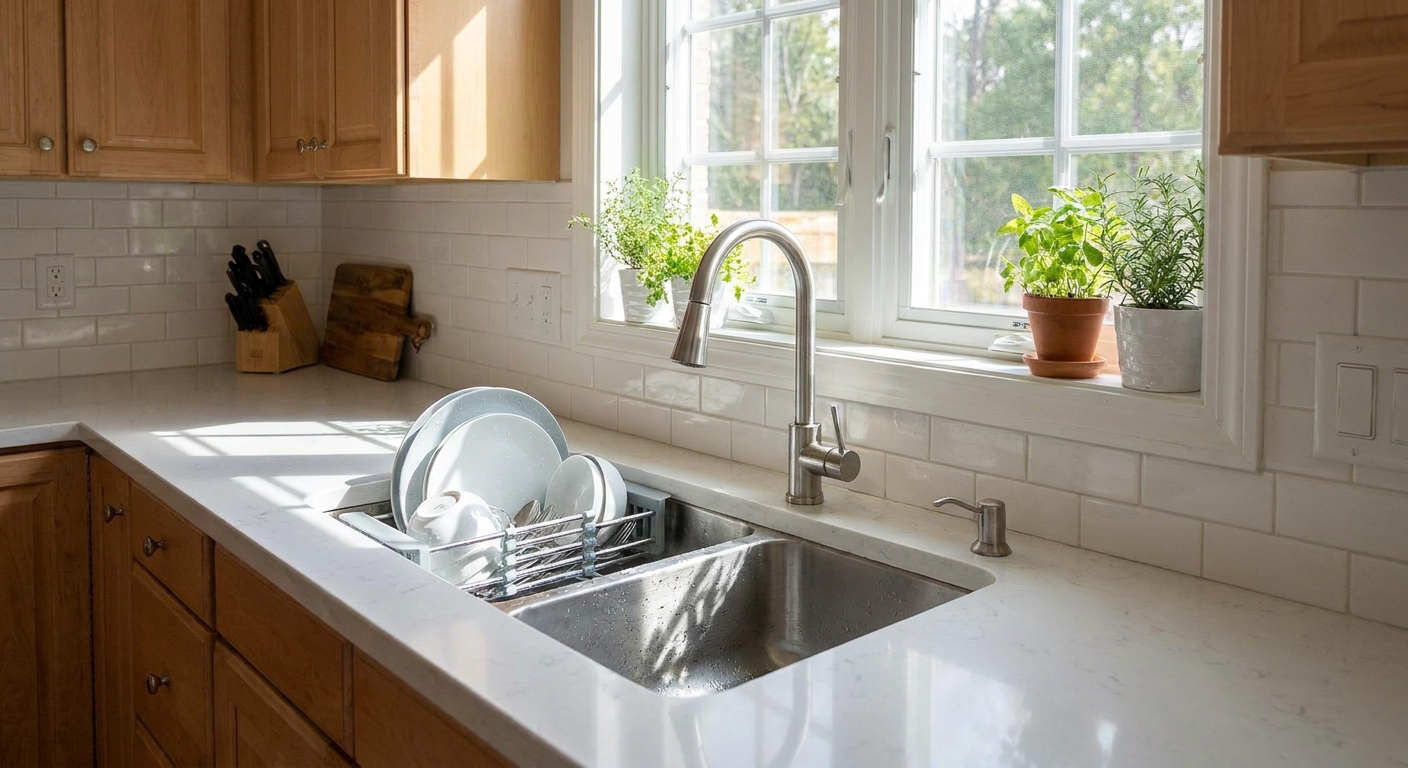
Double-bowl sink: Two basins separated by a divider. The bowls can be equal size (50/50) or offset (60/40 is a common option). Some models include a low divider that gives you two zones without fully blocking large pans.
How each layout works
Food prep and mess control
Single bowl: If you’re a “prep, rinse, dump, repeat” cook, a single bowl is wonderfully forgiving. You can rinse big bundles of greens, wash a stockpot, and keep everything contained in one place.
Double bowl: The advantage is separation. One side for rinsing produce, the other for a colander, compost bowl, or dishes waiting their turn. If you like working in zones, a double bowl builds that in.
Soaking sheet pans and big cookware
Single bowl wins almost every time if you regularly cook on sheet pans, roasting pans, griddles, Dutch ovens, or oversized cutting boards. The lack of a divider means you can lay items flat, rotate them, and actually fill the basin high enough to soak.
Double bowl works best when your “big item” needs are occasional and you don’t mind washing diagonally or letting one end stick up while it soaks. A low-divider double bowl can be a nice compromise if you want two basins but still need some wiggle room.
Dishwashing flow
This is where a lot of people have strong opinions, especially if you hand wash most dishes.
- Double bowl: Classic wash-and-rinse setup. One basin holds soapy water, the other stays clear for rinsing. If you grew up with this routine, it feels efficient and familiar.
- Single bowl: Works well with a good faucet and a smart setup. Many people wash with the basin empty, rinse as they go, and use a roll-up rack or countertop drying mat. If you use a dishwasher for most items, two basins matter less.
Garbage disposal and drains
Single bowl: The disposal typically lives on the one drain, which means you have one “wet work” zone. The upside is simplicity. The downside is that the drain area can feel crowded when you’re rinsing produce and scraping plates at the same time.
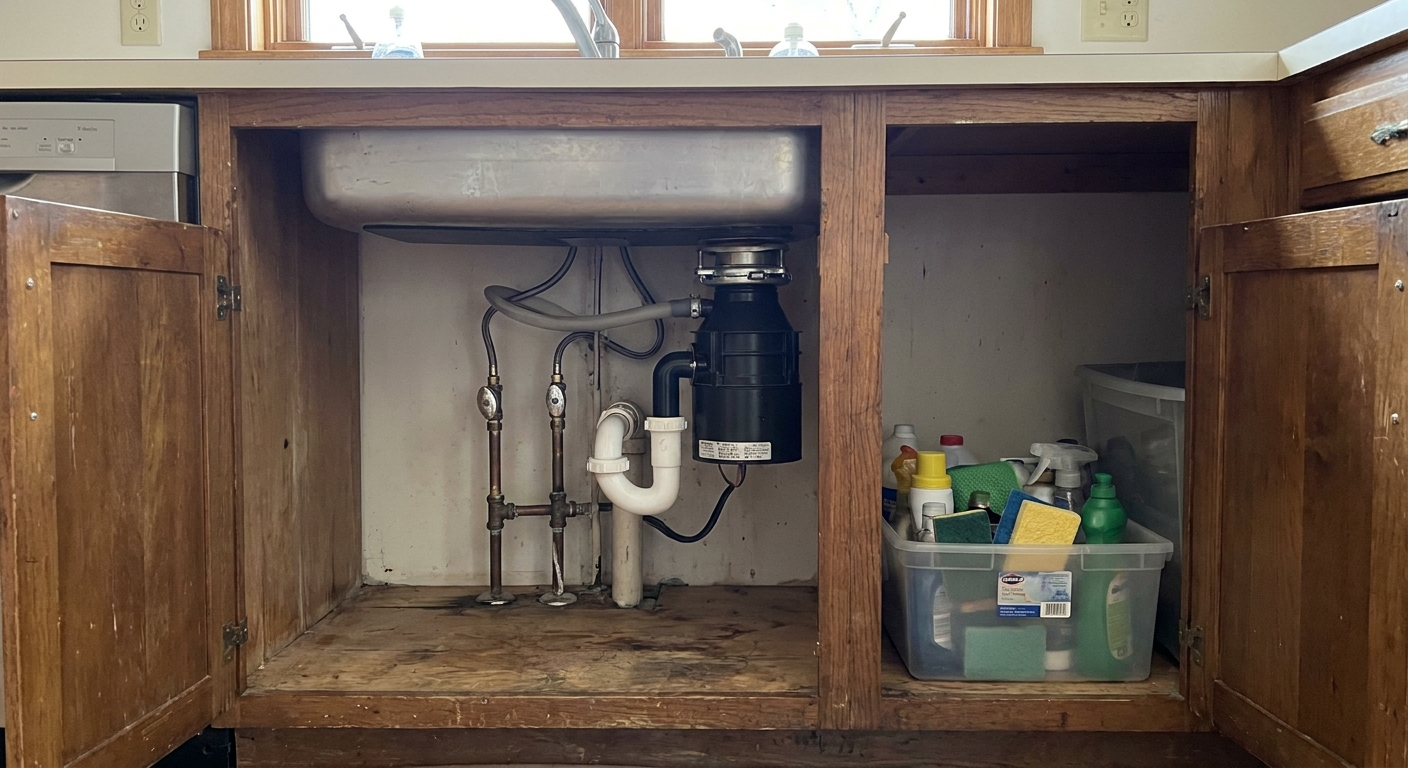
Double bowl: Many homeowners like putting the disposal on the smaller bowl so the larger bowl stays more open for washing. You get a dedicated scrape-and-grind zone and a separate wash zone. Just remember the disposal takes space under the sink, so it can affect pull-out trash and organizers (see “Under-sink space” below).
Sizes and cabinet fit
As a former kitchen designer, this is the part I wish more homeowners knew upfront: your cabinet often dictates your sink options more than your taste does.
Common sink base sizes
- 30-inch sink base: Very common in smaller kitchens. Limits you to smaller singles or compact doubles.
- 33-inch sink base: A sweet spot for many remodels. Opens up a lot of popular single-bowl and double-bowl choices.
- 36-inch sink base: Gives you room for wider single bowls, workstation sinks, and roomier double bowls.
Typical sink widths
Exact specs vary by brand and whether the sink is top-mount, undermount, or farmhouse/apron-front, but these ranges are common:
- Single-bowl sinks: often 22 to 33 inches wide (front to back is often about 18 to 22 inches). Deep single bowls are often 8 to 10 inches deep.
- Double-bowl sinks: often 30 to 36 inches wide. Individual bowls can be narrower than people expect once you account for the center divider.
Rule of thumb for fit
In most cases, the sink’s listed overall width needs to be a bit smaller than the cabinet opening so there’s room for cabinet sides, mounting hardware, and real-world wiggle. These are common ranges, not guarantees, because rim/flange width, sink type, and cabinet construction (frameless vs. face-frame) all change the math.
- 30-inch sink base: often works best with sinks roughly 27 to 28 inches wide.
- 33-inch sink base: often works best with sinks roughly 30 to 31 inches wide.
- 36-inch sink base: often works best with sinks roughly 33 to 34 inches wide.
Important: Farmhouse/apron-front and some workstation sinks can have their own cabinet requirements, especially for front-to-back clearance and how the cabinet is modified. Always check the manufacturer’s cut sheet before you order, and verify how the sink mounts. Undermount rails and hardware can change clearances.
Which should you choose?
Single-bowl is best for
- Big-pan households: If you cook on sheet pans, roasting pans, or oversized skillets all the time, you will appreciate the uninterrupted basin.
- Dishwasher-first kitchens: If most dishes go straight into the dishwasher, the sink is more about quick rinses and occasional hand washing.
- Small kitchens that need flexibility: A single bowl can make a tight sink run feel less cramped because you are not fighting a divider.
- Workstation sink fans: Many workstation setups are single-bowl because you need a wide, open basin for sliding accessories.
What you give up
You lose the built-in second zone for rinsing or staging. You can recreate it with a basin rack, a colander, or a roll-up rack, but it’s still one basin doing everything.
Double-bowl is best for
- Frequent hand washers: If you routinely wash dishes by hand, the two-basin wash-and-rinse rhythm is hard to beat.
- Cook-while-you-clean households: One bowl can stay available for quick rinses while the other holds soapy water or dishes.
- People who hate counter piles: A second bowl can keep “waiting dishes” from spreading onto the counter.
- Disposal separation: If you like keeping the disposal area separate from your washing area, a double bowl makes that easier.
What to watch for
The biggest complaint I hear after installation is: “I didn’t realize each bowl would feel so small.” If you go double, pay attention to each bowl’s internal dimensions, not just the overall sink width.
Options people overlook
If you feel stuck between “one giant hole” and “two cramped holes,” you’re not alone. A few configurations change the whole conversation:
- Low-divider double bowl: Two zones, but you can still maneuver larger pans across the center.
- 1.5-bowl (main bowl plus prep bowl): A large main basin with a smaller side bowl that’s handy for prep, draining, or a dedicated disposal zone.
- Other splits (70/30, 60/40, 50/50): The right ratio depends on whether your second bowl is a true work zone or more of a support zone.
Details that matter
Drain location
Offset drains (pushed toward the back or side) can buy you more usable space under the sink for pull-out trash, stacking bins, or a better-fitting organizer. This matters for both single and double bowls, but it’s especially helpful in single bowls where the drain area can become the bottleneck.
Sink depth and comfort
Deeper is not always better. A 10-inch deep sink can be great for hiding dishes, but it can also mean more bending, especially for shorter homeowners. If you have back or shoulder issues, an 8 to 9-inch depth is often a more comfortable sweet spot.
Faucet clearance
Before you fall in love with a sink, take a quick look at what’s behind it. A thick backsplash ledge, a window sill, or tight countertop depth can limit faucet placement and handle swing. This comes up a lot with farmhouse and workstation sinks that sit differently in the run.
Faucet choice can fix frustrations
- Single bowl: A high-arc pull-down faucet and a good spray pattern make rinsing and cleanup much easier.
- Double bowl: Make sure the faucet reach and swivel clears both bowls comfortably, especially on wider sinks.
Under-sink space
That disposal body and the trap assembly can crowd storage. If you want a wide pull-out trash can under the sink, tell your designer or contractor before the cabinet is ordered. Sometimes we size up the sink base cabinet specifically to make storage work.
Material note
Bowl layout and sink material are separate choices, but material can change how your sink feels day to day. Stainless steel varies a lot by gauge and sound-deadening. Fireclay and granite composite can be quieter and hide water spots differently, but they have their own care needs. Pick the layout first, then choose the material that matches your tolerance for noise, scratches, and maintenance.
My quick cheat sheet
- Pick a single bowl if: you wash big pans often, you rely on the dishwasher, you want the simplest cleanup zone, or you want workstation-style accessories.
- Pick a double bowl if: you hand wash daily, you like separate zones for wash and rinse, you want a dedicated disposal side, or you often cook and clean at the same time.
If you’re on the fence, look for a low-divider double bowl. It’s the closest thing I’ve found to “having it both ways” without overcomplicating the sink area.
FAQ
Will a 33-inch sink fit in a 33-inch cabinet?
Often no, but not always. Many “33-inch” sinks need a 36-inch minimum sink base, while some models are rated for 33-inch cabinets (and some “33-inch” sinks are actually a bit under 33 inches overall). The only reliable answer is the manufacturer’s minimum cabinet size on the cut sheet.
Is a double bowl bad for a garbage disposal?
No. It’s common to put the disposal on the smaller bowl so food scraps stay contained. Just plan under-sink storage carefully because the disposal takes up space.
What about a 60/40 double bowl?
A 60/40 can be a great compromise. You get one larger main bowl for washing and a smaller bowl for rinsing, prep, or disposal duty.
Which is better for resale?
Trends lean toward larger single bowls, but resale is highly local and lifestyle-driven. In my experience, buyers care most that the sink is a quality material, fits the kitchen style, and is paired with a functional faucet. Choose what makes your everyday routine easier.